On Beginnings with Melissa Madenski, Pt 2

Welcome to ‘Between the Lines’ – interviews with teachers, writers and writing teachers on specific aspects of their craft. This interview was split into two posts to do justice to Madenski’s generous sharing of time and wisdom. Part 1 covered her biography and writer’s origin story. Part 2 focuses on craft and teaching.
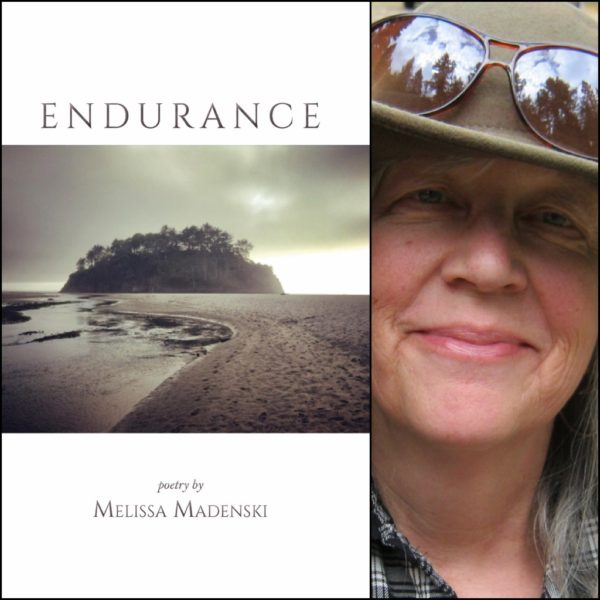
How does one identify the seed of a piece of writing?

Surprise. My Achilles heel is that I get too sentimental. The more sentimental writing gets, the greater the distance. When you write universally, describe, and keep those emotions out, you open it up.

What questions should a writer ask themselves at the beginning of a piece?

  • Know?
  • Don’t know?
  • What to know?

It’s about finding [one’s] curiosity.

What should a writer consider, and disregard, when beginning a piece of writing?

The first step is not creating a story. The first writing, what we used to call free writing, is first thoughts. It frees you from having to be worried about the things you might worry about in a final draft.

One of my small rants is that free writing became a thing, and teachers sit children down and make them write. Once something becomes institutionalized, it’s difficult for students to feel safe with it. If you look at writing as a place to explore, to find meaning, it becomes a different thing.

Why is working through first thoughts important?

A student I loved told me she wrote about a problem she had for five days in a row. The first version was awful, full of blame; after five days, she’d narrowed it to what she could change and what she couldn’t. That was never going to be published, but that is the writing process.

As an adult, I started [writing] the first day after [my husband] Mark died. Those journals were useless – they were just questions. In two full journals, there are probably two salvageable sentences. But it helped me to be a better parent, to get through that.

How important is defining an audience?

I never do until the end; maybe not even then. I write what I’m curious about and if I have that intuitive sense, if it feels good, I’ll keep working. After I finish, then I’ll think of where to send it.

How can writers get better at finding seeds? And drafting?

They get better as they practice, as with anything else. Writing, and maybe this is true of dancing and photography, offers lots of rewards when you start to use it across the arc of your life.

What opportunity does writing bring the writer?

The chance to see things more clearly. The opportunity to notice, to slow, to look. I wrote a poem called ‘Ode to Black’, during the Black Lives Matters protests. I was walking one day and there were crows everywhere. And I walked to the creek and the ducks have this black so black it’s almost indigo on their faces. So much of what I love in nature is black – trees in winter – so I wrote this poem.

Writing has given me knowing what I want to get good at; stability, better understanding of myself, much better understanding of students. I love publishing, but it wouldn’t stop me writing if I didn’t publish.

Madenski recommends

The piece of writing that changed your life before age 18?

‘The Raven’ by Edgar Allen Poe, which I memorized in sixth grade. And Robert Frost, ‘The Road Less Taken’, reading them, something shifted in me.

The piece of writing that changed your life as an adult?

Early Morning by Kim Stafford. It’s a very personal book [about his father], but it’s universal. It helped me see people as complex and beautiful. You can struggle with someone or something, but still see the beauty in them.

A classic you would love to teach?

My Antonia by Willa Cather. I don’t go around thinking of myself as a feminist, but I am a feminist. Willa Cather cut her hair, wore pants, got a job as a journalist. It is beautifully written and would be a perfect thing to teach. To have [students] read the book first, and not know about her, then fold in her influences as a woman writer when it wasn’t easy to be one. That would open up some wonderful conversations.

A contemporary work you would love to teach?

Happiness by Aminatta Forna. It’s about two characters in their late adult years, their children are raised. They have experience; they’ve lived hard lives, and that is part of the story too. The book is complicated: it’s about where we are in the world, our relationship to animals, the divisiveness that pulls us apart. It’s about aging, what it means to have loved, to have a long career. It is about a different type of happiness.

A book about writing every writing student should read?

The Crafty Poet: A Portable Workshop Vols I, II & III by Diane Lockwood. I wish I’d found these [books] years ago.

A visual artist/musician/film maker who inspires you?

Greta Gerwig. She’s a great example of how we can come to stories about love, friendship, culture, with a different lens. She started out independent with Lady Bird and Little Women, then the Barbie movie, which I wasn’t going to see because of my assumptions. But I went and I loved it. [Gerwig] has a different voice, a way of storytelling that is the opposite of what I thought it would be.

A book you buy copies of to give to friends?

Who Dies? and Unattended Sorrow, both by Stephan Levine. They are about grief. At this time in my life, people are losing big things – parents, children, partners. Levine writes about compassion, in its true sense. Looking through a lens at the hardest things in our lives. I soak up instruction in how to endure difficult things. It’s not an exercise in denial, it’s an exercise in facing.

What’s next?

Inspired by Ada Lemon’s linked sonnets in The Lucky Wreck, I am working on seven verses that began with a walk on the Columbia River. I saw an asylum of loons and that’s where the poem started. It’s not ready to read aloud yet, but it’s going somewhere good.

I’m also working on an essay about ageing, and pulling together poems for a reading with Andrea Carlisle at Broadway Books on 5 September.

Not least, I walked Neskowin Creek [near my old home] from the headwaters to the coast. I had been teaching all summer, couldn’t afford to travel and needed to do something, so I walked. I collected about 80 pages of field notes. [My daughter] Hallie and I, will go in the fall and she’ll photograph it. Then I’ll publish that, maybe.

Connect

Web:

Books:

Events:

On Beginnings with Melissa Madenski, Pt 1

Welcome to ‘Between the Lines’ – interviews with teachers, writers and writing teachers on specific aspects of their craft. This interview will be split into two posts to do justice to Madenski’s generous sharing of time and wisdom. Part 1 covers her biography and writer’s origin story. Part 2 will focus on craft and teaching.

Full disclosure: Melissa and I have known of each other since I was growing up in Lincoln City, Oregon; her children attended my mother’s day care. About a decade ago, I reached out and shared some of my writing. She responded with characteristic generosity and has become a dear friend, mentor, exemplar.

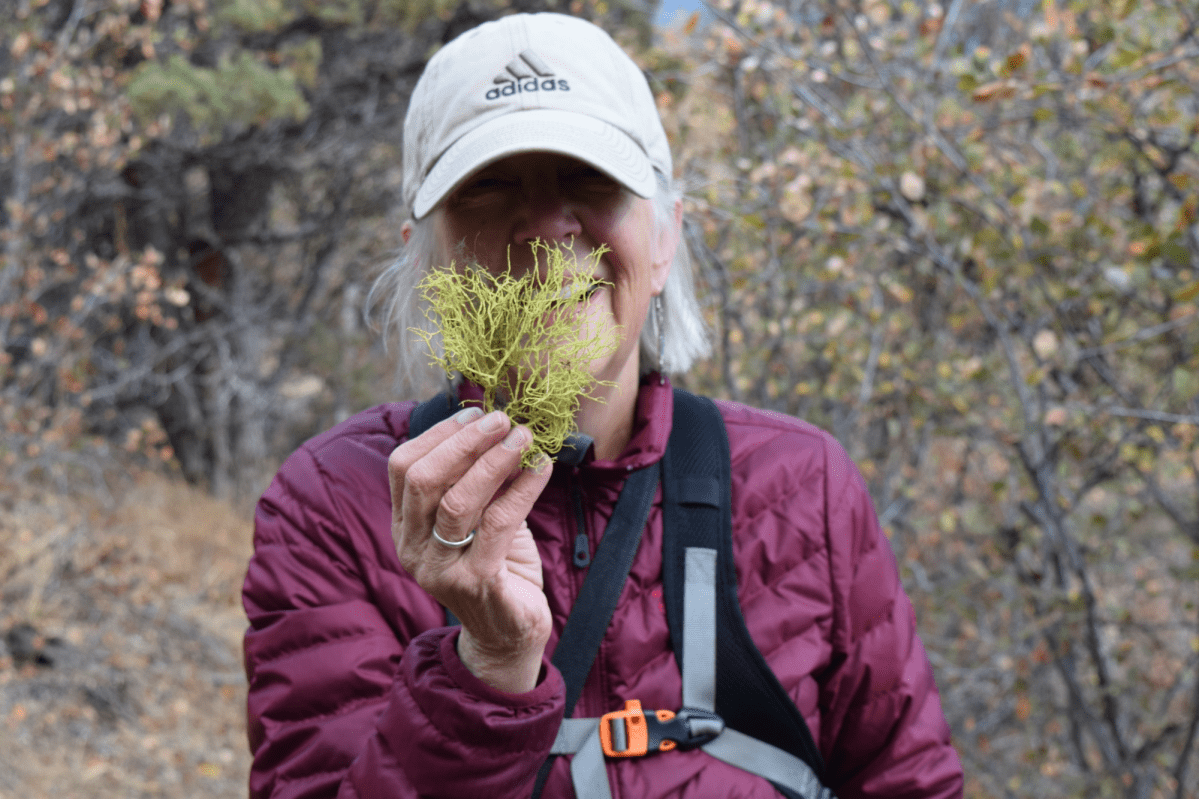
Photo: Hallie Madenski

“I’ve had everything in my life I wanted, but not one thing went according to plan.”

Melissa Madenski delivers this statement with poise that belies the extraordinariness of the claim.

White hair frames dark tortoiseshell glasses and silver hoop earrings. A boho-chic bob to make Anna Wintour green. The kindled joy in her eyes refracts through the the kitchen-dining-living space of her Portland, Oregon home, which is as spare, chic and elegant as she: drip coffee-maker, glass-fronted book shelves, black-and-white prints on crisp white walls.

Elsewhere, these might be bland markers of commodified good taste. But they are Madenski’s tools: functional and essential as carpenter’s adze or blacksmith’s tongs.

Born and raised in Portland, Madenski moved to the Oregon coast as a young woman, taught school, married, had children. One imagines a life rich in the delights of partnership and parenthood: time-poor, perhaps, but abundant in laughter. A time to make one say, “I’ve had everything I wanted.”

But: “Not one thing went according to plan.” The rosy narrative ended in a thunderclap moment when Melissa’s husband, Mark, died, aged 34. Their children, Hallie and Dylan, were one and six years old; their hand-built wooden house in the Siuslaw Forest unfinished.

“My healthy, athletic husband had simply stopped breathing,” she wrote in her 2015 essay, ‘Starting Over.‘ “We would soon learn that an arrhythmia shook his heart until it stopped.”

Such an unthinkable, unspeakable loss can drive unbelievers to their knees and turn Christian soldiers into atheists. How many people, in that crucible, muster the grace to craft an original response?

Madenski mustered — no — created that grace.

“That’s when I started to write every morning,” she recalls. “I missed Mark very, very much; I held onto writing for my sanity. I’m not an early riser, but I’d set my alarm for 4:30. It was a wood-heated house, so, freezing. I’d stick my head under well water – also freezing – make a latte, then shut myself in my office.”

Deep roots

Though Madenski traces her deliberate writing practice to the cataclysm of loss, its roots reach across generations and oceans.

The youngest daughter of a traveling salesman and a homemaker, Madenski grew up in Portland, happy to daydream alone beneath a spruce tree in their yard. Her grandmother, an immigrant from Norway, lived with them. “I credit her with raising me. She told me lots of stories.”

They were the stories of a vibrant and spirited woman who “hiked, rode horses, lived in logging camps.” A woman who knew, too, what it was to be struck by fate.

A burst appendix led to an infection that ruined her grandmother’s hip. In an era before accessible replacement surgery, this irredeemably altered the last 30 years of her life.

“She lost everything that she loved.” Madenski sits with her memories for a moment, then continues. “My grandmother been a seamstress, so my mother would bring her thread and fabric. She sowed until the last three days of her life. It was like writing: the one thing no one can take away.”

Another thing no one can take away: the example of a woman who chose not to be defined by suffering, but to — Penelope-like — stich and unpick, stitch and unpick, until the stitching and the unpicking became a new tale.

Meandering path

Though “drawn to stories,” Madenski didn’t want to be a writer. “As a kid, I only wanted to imagine. I would go to bed early, lay there and create stories where I was always the heroine.”

Madenski was a voracious reader. But it wasn’t until high school that writing began to glow as an idea.

“I had a magnificent teacher, Ruth Strong. She was a botanist as well, who after she retired wrote Seeking Western Waters – the Lewis and Clark Trail from the Rockies to the Pacific.

She was the first person who said I was a writer; the first person to believe in me as a writer. There was no big lineage: I kept a boring diary, which thankfully was lost in a house fire, but what I’ve come to believe is that so much of writing is story. We are wired for narrative. We’re wired for beginning middle and end.”

Despite the brush with inspiration, Madenski began “a traditional path”, earning a degree in elementary and special education from Portland State University.

Her first job, age 22, was teaching second grade in a public elementary school. “It was hell,” she says. Disadvantaged students. A teachers’ strike. The inevitable tribulations of being green and unschooled. “It was trial by fire. I witnessed things I’d never seen. I had to learn to report abuse. Teaching wasn’t teaching, it was trying to keep people’s head above water.”

The steeliness of her working-class Scandinavian ancestry flashed when she refused to sign a contract for the following year until the principal promised things would change.

After fulfilling her childhood dream of moving to the beach, Madenski taught at Oceanlake Elementary in Lincoln City and at a private school in Neskowin. Although she calls the freedom and miniscule class sizes of independent schools “heaven,” she is quick to say, “I believe in public schools.” Only there did she find the diversity that stretches and challenges.

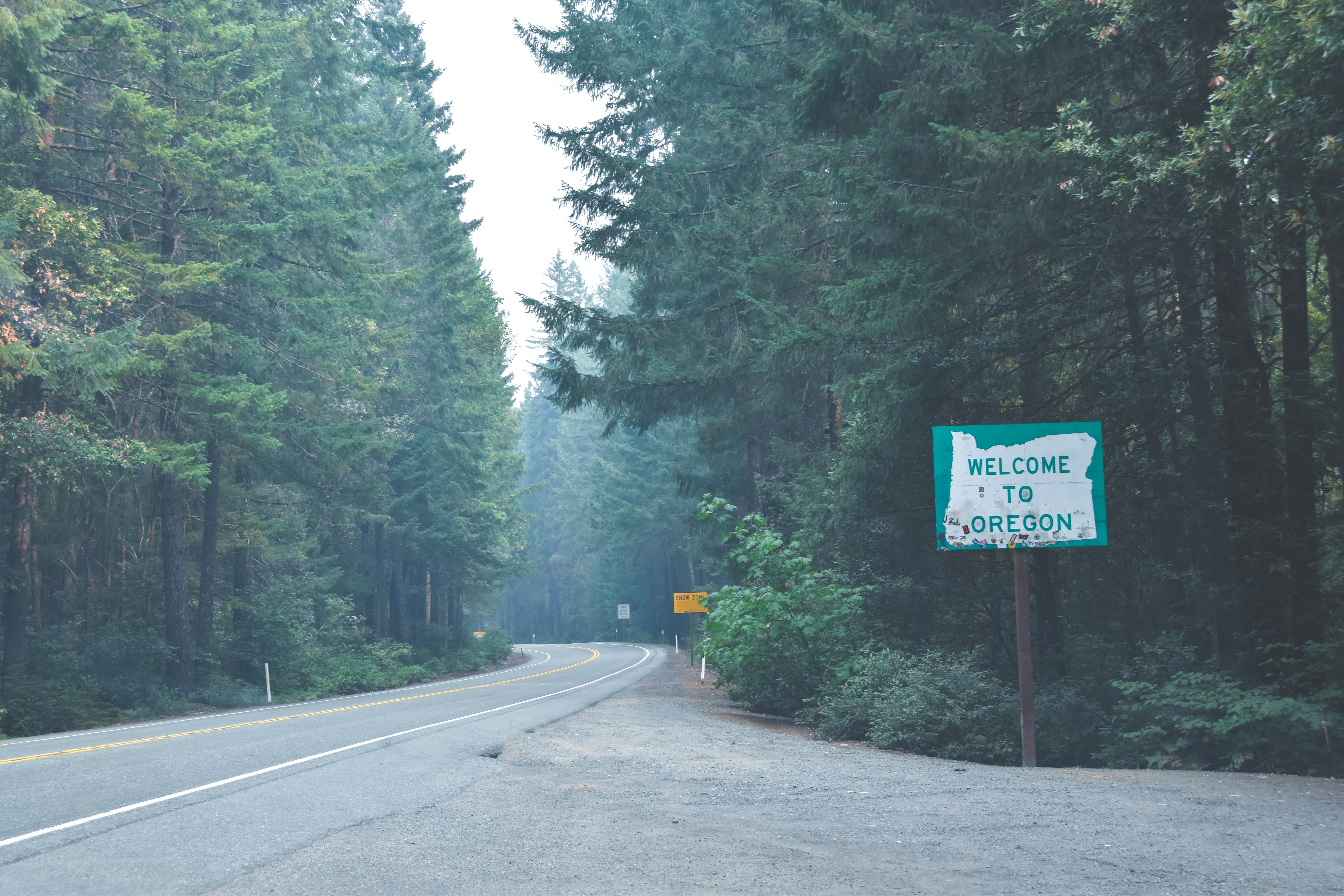
Photo by Chris Henry on Unsplash

Beginning (Again)

Mark’s death precipitated her out of conventional classrooms. “There are single women who could raise kids and teach, but I couldn’t. I had some insurance money and the house, and thought, I’m going to piece things together.”

Her next first job was driving to Hebo Ranger Station to teach English to migrants employed in the local dairy industry. “It was a good time to not be alone. I was in grief, but so were they,” she muses. “Dairy milking is a hard job, they were sending money home to Mexico, but they had the most wonderful stories.”

Teaching English became one of the legs of the “three-legged stool” required to stay afloat in the Oregon Coast’s parlous tourist economy.

It was then, too, Madenski began the cold-water morning writing practice that she maintains to this day (“I wake up at 5AM, come to the table and write. It’s home to me. It’s stability”).

Her most lucrative year as a writer brought in $6,000. (“It wasn’t enough, but it was a leg.”)

Other legs included teaching at the NW Writing Institute at Lewis & Clark College, founded by friend and fellow author Kim Stafford; running adult literacy programs in libraries; leading writing programs for children; teaching citizenship classes to immigrants; mentoring young authors; and creating her own writing workshops.

“These jobs I pieced together didn’t give me a big retirement or benefits,” she says, matter-of-fact, “but they gave me a lot of experience.”

To anyone who says, experience don’t pay the bills, Madenski’s life is an emphatic beg to differ.

Experience can make the difference between between resilience and collapse.

A couple of years ago, Madenski had hip surgery, then broke her femur in a fall. Cue months of pain, compromised mobility, physical therapy; Covid and long Covid. A downward-rushing torrent that could sweep a person away.

“I was trying to keep going as before, and I kept falling. So I learned to say ‘no’ so I could say ‘yes’… yes to friends, family, writing. I don’t expect to grow old without pain; it doesn’t shock me or surprise me.”

The simple lucidity of the statement is a gong.

It doesn’t surprise me.

The voice of experience.

“I am at peace,” Madenski adds, stating what shines in every plane of her face and every gesture. “That’s a skill for life: not to take things personally that are not. Life teaches you what is personal. Death is not. It happens to everybody. The world is completely sorrow woven with happiness. I’ve learned not to forget that all day long.”

Connect

Web:

Books:

Look out for Part 2 of the interview, where Melissa shares her insights on teaching writing.

On Integrity

Jenny Odell, in her manifesto: How to do nothing: Resisting the attention economy (the book), quotes Mark Zuckerberg saying: “The days of you having a different image for your work friends or co-workers and the other people you know are probably coming to an end… having two identities for yourself is an example of a lack of integrity.”

Integrity is a word that means a lot to me, so this claim caught my eye.

A few years ago I sat down to work out what attracts me to my (superficially) disparate friends. Most them to I met as an adult, so childhood bonds weren’t it. Apart from the odd freelance collaboration, none are or were colleagues. We’re scattered across continents and time zones, so it isn’t proximity. And we don’t always see eye to eye on culture and aesthetics. So what is it I look for in a friend?

Three things, it turns out: integrity, generosity, and curiosity.

wheat.jpg

Photo by ricke 76 on Unsplash

Integrity can be hard to define. Joan Didion writes (in On Self-respect) that the word “character” has been unfairly relegated to describing homely children and unsuccessful political candidates. Similarly, “integrity” has been softened into a synonym for ‘honesty’, a bloodless approbation for people who don’t fiddle their taxes.

My guess is Zuckerberg used it in this sense. In his two-dimensional, blue-bordered world, having more than one way of relating is dishonest. By his definition, Zuckerberg has mounds of integrity as his smug, Bond-villain-bland facade rarely flickers.

That’s not my idea of integrity. Nor a quality any of my friends share – nor one I’d value.

Integrity, the kind that makes my synapses pop when I get near someone who has it, is internal consistency. People who have it are like those wobbly toys you can shove over in any direction and they always right themselves. Integrity is the weight in the centre, the internal gravity that keeps a person true to themselves.

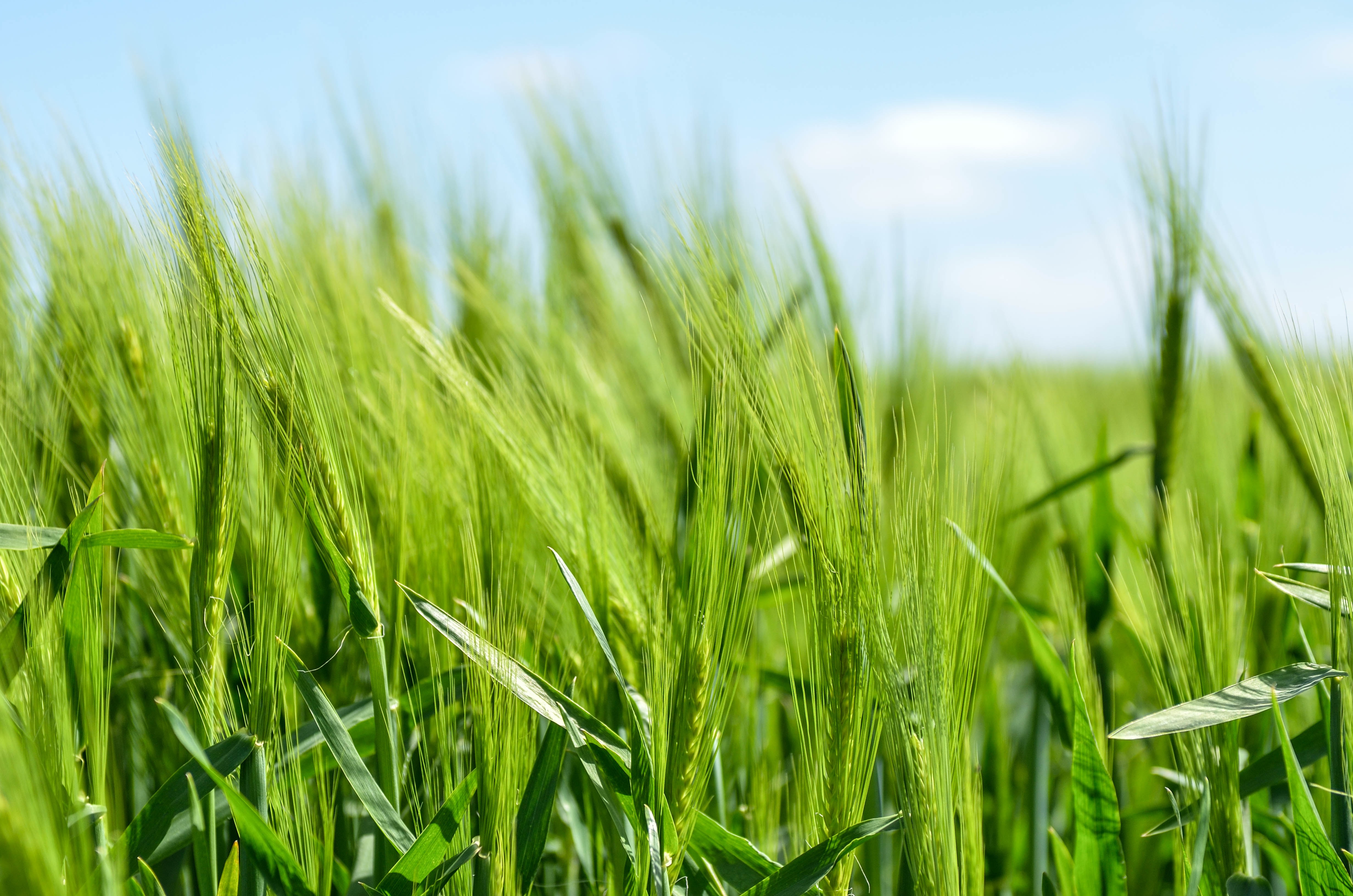
Plants are a wonderful example of internal consistency that is not rigid. Let’s take wheat. When I left southern Spain a few weeks ago the wheat fields were already dry and bleached to pale gold. In the north, they are still fresh, damp, and bright green. Neither gold nor green is dishonest, it is simply responding to its environment according to the mandates of its deeper purpose: which is to grow and ripen.


My friends have grown. They’ve changed careers, faiths, relationships, locations, hobbies. They are not the people they were. Yet, they are. Because – integrity.

They have internal consistency. All the external changes, however far-reaching, arise from deep roots of character (in the full, Didion-endorsed sense of the word). The qualities of their integrities (which are legion) include self-awareness, critical thinking, dark humour and responsibility. Whatever they do, or don’t, I can count on them to be true to these fundamentals.

My husband often admiringly quotes a friend who said: “I may have low morals but I have high ethics.” This gets to the heart of why integrity matters.

Morals are something imposed from outside; one obeys out of fear or a desire to please. Ethics, though, are a manifestation of integrity. Internal consistency creates an intrinsic framework for relating to others, which is expressed as ethics.

“Ah!” you say. “But without morality, what will police integrity? Are you saying that serial killers and child abusers should be allowed their internal consistency?”

Right. That.

Needless to say: of course not. The point of integrity is that it is internal – a relationship to oneself. People who exploit and abuse have relinquished the relationship to self in favour of externalising their anger, disappointment, etc. They have traded the possibility of integrity for the ugly, fleeting gratification of brutality. They are ethical failures. Though, tellingly, they may not be moral failures. Just look at the Catholic church cheer-leading for Fascism during and after the Spanish Civil War, or the fundamentalist Christians murdering doctors.

Letting someone else think for you, even in the name of “morality” makes violence more, not less, likely. As Germaine Greer wrote in The Female Eunuch:

To abdicate one’s own moral understanding, to tolerate crimes against humanity, to leave everything to someone else, the father-ruler-king-computer, is the only irresponsibility. To deny that a mistake has been made when its results are chaos visible and tangible on all sides, that is irresponsibility.

One’s own moral understanding is an important phrase. It implies that we have to be aware of our fundamental beliefs. It isn’t enough to have internal consistency, we need to interrogate it. It isn’t enough to know what we do; we need to know why we do it. Self-study is a safety mechanism. It helps us articulate who we are, which then determines how we relate to others.

Self-knowledge is what prevents internal consistency from becoming routine. Without it, we can mistake superficial interests or habits for something intrinsic. When we know our foundations, we can build, tear down, rebuild. If we mistake décor for structural support, we get trapped in an unchanging space.

forest.jpg

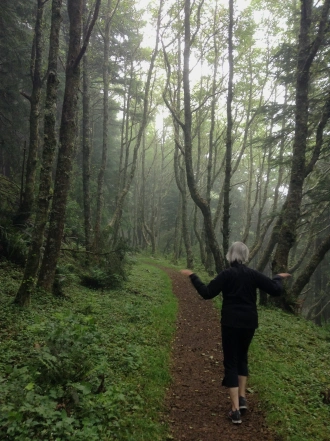
Photo by Daniel Peters on Unsplash

What does it matter, integrity? (Who cares how I choose my friends?)

It matters because we live in uncertain times. I’m going to go not-very-far-out on a limb and say that many of us are, or will be, in political situations where personal integrity may be the only way to avoid abetting crimes against humanity.

I cannot look at what is happening at the U.S. southern border, specifically; or American prisons, generally; or the farce that is British “democracy”; and believe that things will work out. We may yet halt the slide to full-blown Fascism, but it won’t be by chance.

Odell also quotes from “On the Duty of Civil Disobedience” by Henry David Thoreau: “If [the law] is of such a nature that it requires you to be the agent of injustice to another, then, I say, break the law. Let your life be a counter-friction to stop the machine.”

One person of integrity can’t stop the machine. But, if we band together, our collective friction might just be enough.

Blame it on the rain

Why do I feel uprooted (panicked, dismayed, trapped)?

I blame a four-letter word: Rain.

Remember Milli Vanilli? I was nine when “Blame it on the rain” came out. We weren’t supposed to listen to “secular” music but my big sister sneakily tuned in Casey Kasem’s Top 40. The chorus never left me: “Blame it on the rain/that’s fallin’ fallin'”.


Growing up on the central Oregon coast rain was a constant. The occasional days a high north wind pushed away the clouds were bitter. Wet and cold were the warp and woof of my childhood. They crept past windowpanes and under doors of the crumbling ex-holiday cottage where we lived. The small, square black wood-burning stove and ancient electric heater never made a dint.

The other constant was the wild fluctuation of my father’s moods. Fear permeated the air like water, raised goosebumps like a chill.

The things I carry

My brain learned, fast and young, to blur the present and project itself to the safety of the future. This let me survive and escape. It also sapped my ability put my experiences and emotions in context, leaving vast gaps in my self-awareness.

It took moving to Glasgow in an unusually cold, wet year to acknowledge rain’s hold over me. Rainfall elicits anxiety, hopelessness, depression, anger, helplessness. I feel like a child again.

Living in Glasgow catapulted me into clinical depression. I wanted to die; also, stubbornly, I wanted to live. Which, at that point, meant leaving as quickly as possible and promising myself to never again live somewhere that required GoreTex.

rain1.jpg

Photo by Milada Vigerova on Unsplash

Plotting the resistance 

Now, I’ve broken that promise in style, husband and cats in tow.

Maybe it’s a dumb risk to leave a lazy, sunny town for a cold house in rain country, thereby putting my mental health and relationship on the line.

How else can I overcome my fear of rain?

I don’t want to be a prisoner of my childhood anxieties. Avoiding uncomfortable emotions and circumstances is a strategy, not a solution.

To be happy anywhere, I need to cultivate my capacity to be happy everywhere.

As Rainer Maria Rilke wrote:

People have (with the help of convention) found the solution of everything in ease and the easiest side of easy; but it is clear that we must hold to the difficult…. We know little, but that we must hold to the difficult is a certainty that will not leave us; it is good to be solitary, for solitude is difficult; the fact that a thing is difficult must be one more reason for our doing it.

Whatever the year brings, I want to live with intention and integrity, in the rain.


Lit Crit: Tom Wolfe and the Art of Mau-Mau

I wrote this in 2009. Tom Wolfe is still a twit. Hence the re-blog. Enjoy!

The Wolfe in his lair

The Wolfe in his lair

Tom Wolfe’s famous new journalism is nothing but an abdication of the traditional journalistic ideal of objectivity. What makes him so beloved of white, middle-class, status-quo lovers is that he presents the ‘freaks’ of society exactly as they wish to see them. Peering out from his WASP bubble he offers no insight; only his own prejudice, funkily punctuated. Far from being revolutionary he is reactionary.

His 1970 essay Mau-Mauing the Flak Catchers is Wagnerian. He plays every finely tuned instrument of white middle-American fear and loathing with masterful aplomb. It starts with a statement: “the poverty programme encouraged you to go in for mau-mauing.” You don’t know yet what ‘mau-mauing’ is, only that it is encouraged by “the poverty programme” – a vague bureaucratic entity endowed with a definite article. This is a beautiful piece of disinformation. There is not now, nor at any point in American history has there been, anything that could be described, accurately, as the poverty programme. Governmental attempts to succour, redistribute, endow, benefit, aid, or otherwise un-disenfranchise its economic laggards are desultory, peculiar, and limited. Wolfe knows this because he isn’t quite brave enough to give “poverty programme” the initial capitals called for by that “the”.

Over the next few paragraphs a rough sketch of “mau-mauing” begins to emerge. His breathless sentences tap-tap into the brain. The ones doing the mau-mauing are: “hard-to-reach hard-to-hold-hard-core hardrock blackrage badass furious funky ghetto youth.” Not like you and I, whispers beneath the shout. Them. People who mess everything up with their hard-to-hold hard-core hardrock. Hammering chunks out of language itself. I’ll show you how they do it, he beckons.

“There was one man called Chaser. Chaser would get his boys together and he would give them a briefing like the U.S. Air Force wing commander gives his pilots in Thailand before they make the raid over North Vietnam.” This, people, is war. Those furious funky ghetto youth are an invading army, they are braced and coming at you, in your suburban homes and Lay-Z boy recliners and apple-pie-and-ice-cream Sundays. Beware.

Chaser “used to be in vaudeville. At least that was what everybody said.” Old journalism couldn’t get away with substituting “that’s what everybody said” (Who is ‘everybody?’ When and where did they say it?) for fact checking. Did or did not Chaser used to be in vaudeville? Why not ask Chaser? That would ruin the rhythm. What matters is not where Chaser learned his gift of the gab but the image caught up in that word vaudeville. Cheap light entertainment. Minstrel shows. Something tacky, tawdry, archaic. Like Chaser, who “always wore a dashiki, over some ordinary pants and a Ban-lon shirt. He had two of these Ban-lon shirts and he alternated them.” Wolfe pulverises Chaser’s credibility with every phrase. He wears a dashiki over ordinary pants (he’s inauthentic) and he only has two shirts (he’s poor). By the time Wolfe describes him as a “born leader” the words hum mockery. Born leader to dumb ghetto youths too high on their blackrage badass to know you don’t follow men who alternate their shirts and might have been in vaudeville.

The putative ex-vaudevillian wing commander exhorts his troops: “when you go downtown, y’all wear your ghetto rags…see… don’t go down there with your Italian silk jerseys on and your brown suede and green alligator shoes and your Harry Belafonte shirts… And don’t go down there with your hair all done up nice in your curly Afro… you go down with your hair stickin’ out… and sittin’ up… looking like a bunch of wild niggers.”

Wolfe’s phrasing lingers in sweet, heavy warning notes. Ghetto rags are a fiction perpetrated by slick-shod, Italian silk jersey-wearing, chocolate-coloured con artists trying to separate the God-fearing white taxpayer from his money by mau-mauing the poverty programme. Don’t even consider for a minute there might be real poverty down in that ghetto. Turn your back and they’ll all be in their Harry Belafonte shirts sporting nice curly Afros. Be wise to their jiveass. If they look poor it’s because they want to look poor. Don’t be a sucker.

It isn’t just the shifty slick-talking bloods leeching on: “before long everybody in the so-called Third World was into it.” The “so-called” (like “everybody said” before it) permits the double-barrelled phrase: Third World. These people aren’t even from here. You, dear reader, belong to the First World. They come from somewhere else, belong somewhere else. They aren’t your problem, the “Chinese, the Japanese, the Chicanos, the Indians” and especially not the Samoans who “were like the original unknown terrors… everything about them is gigantic…. They’ll have a skull the size of a watermelon, with a couple of little squinty eyes and a little mouth and a couple of nose holes stuck in, and no neck at all. From the ears down, the big yoyos are just one solid welded hulk, the size of an oil burner.” Hang on a second and listen while the nuances whisper out of those words: a skull the size of a watermelon; little squinty eyes – like pigs; not even a nose but nose holes like a fright mask; big yoyos; one solid welded hulk. They might be vegetable, animal, monster, mineral or machine but they definitely ain’t human. Not like you and I.

We know, now, who does the mau-mauing. Enter the flak catcher. This passage calls for subtlety. Tamp down the hard-hitting rhythm section, let the woodwinds carry the next segment through on their modulated breath. The “blacks, Chicanos, Filipinos, and about ten Samoans” confront (in all their oil-burner sized, “Day-Glo yellow and hot-green sweaters and lemon-coloured pants”-wearing glory) a single man who has that “sloppy Irish look like Ed McMahon on TV.” Read between them lines: you’ve never worn hot-green sweaters and lemon-coloured pants, but you sure as hell know what Ed McMahon on TV looks like. That’s someone you can recognise and root for. The levee holding back this colourful flood wears “wheatcolour Hush Puppies [and a] wash’n’dry semi-tab-collar shortsleeves white shirt.”

We know the bloods have “brown suede and green alligator” shoes at home; time to learn that “wheatcolour Hush Puppies… cost about $4.99, and the second time you move your toes, the seams split and the tops come away from the soles.” Don’t feel sorry for them. Don’t be a sucker. Look down again. The Samoans are wearing sandals and the straps “look like they were made from the reins on the Budweiser draft horses.” Dear god. Someone, or something, has to keep a check on these massive animals. Just as white America shifts anxiously on its sofa, half-hearing terrifying trampling feet Wolfe plays a silken note of assurance: “Nobody ever follows it up. You can get everything together once, for the demonstration… to see the people bury some gray cat’s nuts and make him crawl… but nobody ever follows it up.” They, the Third-Worlders. Huge. Threatening. Noisy. Ultimately harmless. Foiled not by the obfuscation of wheatcolour bureaucracy run by gray cats but by their own ineradicable indolence.

There is more to mau-mauing. Plenty more. A virtuoso teardown of sucker whites slices through the: “middle-class white intellectual women… with flat-heeled shoes and big Honest Calves” and their students who “would have on berets and hair down to the shoulders… and jeans, but not Levi’s… jeans of the people, the black Can’t Bust ‘Em brand, hod-carrier jeans that have an emblem on the back of a hairy gorilla” (Wolfe overlooks the subject-object confusion in his rush to hang the words black and hairy gorilla together).

He is wise to it, and he wants you to be wise too. Don’t get hoodwinked by those twinkling alligator shoes. “Boys don’t grow up looking up to the man who had a solid job… because there weren’t enough people who had such jobs.” Don’t think he’s gonna dwell on the whys and wherefores of there not being enough people who had such jobs, though. Your honour, the witness refuses to answer the question in the grounds that it may incriminate him. Slide fast to the details about “$150 Sly Stone-style vest and pants outfit from the haberdasheries on Polk and the $35 Lester Chambers-style four-inch-brim black beaver fedora” and the men wearing them who slid into neighbourhoods peopled by “the bums, the winos, the prostitutes with biscuits & gravy skin, the gay boys, the flaming lulus, the bike riders” and got “a grant of nearly $100,000”. That’s what happens when civilisation gets mau-maued by the Third-World; the ghetto youth get their grasping – “hanging limp at the wrist with the forefinger sticking out like some kind of curved beak” – hands on “a $937,000 grant from the Office of Economic Opportunity.”

Any do-gooder, white middle-class intellectual fool who thinks any of this makes a difference ought to think again. Give them jobs? What for? “The jobs themselves were nothing…. You got $1.35 an hour and ended up as a file clerk or stock-room boy in some federal office… all you learned was how to make work, fake work and malinger out by the Xerox machine.” Moreover, Wolfe can explain why “Nevertheless, there was some fierce mau-mauing that went on over summer jobs”. Not because the community needed those jobs or even wanted those jobs but because “the plain fact was that half the jobs were handed out organisation by organisation, according to how heavy your organisation was. If you could get twenty summer jobs… when the next only got five, then you were four times the aces they were… no lie.” Your taxpayer dollars at work: propping up the egos of pimp-swaggering furious funky ghetto youth.

There is one final movement, a violin-swelling, cymbal-clashing, curtain-call guaranteeing flight of earlicking fancy that makes the Ride of the Valkyries sound like a lullaby. There were so many groups mau-mauing, see, “you had to show some style, show some imagination.” Like Bill Jackson, who calls himself Jomo Yarumba and marches on City Hall with a “children’s army… sixty strong, sixty loud, sixty wild they come swinging into the great plush gold-and-marble lobby… with hot dogs, tacos, Whammies, Frostees, Fudgsicles, French fries, Eskimo Pies, Awful-Awfuls, Sugar-Daddies, Sugar-Mommies, Sugar-Babies, chocolate-covered frozen bananas, malted milks, Yoo-Hoos, berry pies, bubble gums, cotton candy, Space Food sticks, Frescas, Baskin-Robbins boysenberry-cheesecake ice-cream cones, Milky Ways, M&Ms, Tootsie Pops, Slurpees, Drumsticks, jelly doughnuts, taffy apples, buttered Karamel Korn, root-beer floats, Hi-C punches, large Cokes, 7-Ups, Three Musketeer bars, frozen Kool-Aids… a hurricane of little bodies… roaring about with their creamy wavy gravy food and drink held up in the air like the torches of freedom, pitching and rolling at the most perilous angles, a billow of root-beer float here… a Yoo-Hoo typhoon there.. a hurricane of malted milk, an orange blizzard of crushed ice from the Slurpees, with acid red horrors like the red from the taffy apples and the jelly from the jelly doughnuts… every gradation of solubility and liquidity known to syrup – filling the air, choking it, getting trapped gurgling and spluttering in every glottis – ”

The words scamper around like that hurricane of little bodies with their perilously angled food and drink. There is a racing pulse to the rhythm, ecstatic as a sugar high. You feel giddy just reading it. Every name snaps on your synapses like bubblegum popping. Without really knowing why you feel your throat filling with the solubility and liquidity of the syrup filling the air choking it getting trapped. You can feel the tide rising. Enoch Powell’s rivers of blood, only this time the savages are going to drown you in creamy wavy gravy Yoo-Hoo typhoon acid red horrors.

Thirty pages ago you didn’t know to be afraid. Didn’t know how the furious funky born leader pimp true artists of the mau-mau are just waiting to rise up out of the ghetto and wash over your hallowed gold-and-marbled halls in “purple sheets of root-beer” but now you do. Because you “didn’t know where to look…. Didn’t even know who to ask” until Tom Wolfe came rolling through your door in his white pimp-sharp suit with his fedora and silk handkerchief and (probably) Italian-style socks. The man is a “rare artist” of the mau-mau.