
Over the summer, I took two online courses: they were instructive in unexpected ways.
Both were premium-priced ($500+), both were heavily marketed, both were on topics I was keen to learn.
By the second session of Course 1, I was wandering the house, headphones draped around my neck, miming boredom to my husband.
By the second session of Course 2, I immersed in brainstorming, motivated, energized.
The difference was not the quality, kindness or expertise of the teachers (let that be a lesson). The difference was all in the planning.
After completing the two courses, I broke them down and identified six things Course 2 did that Course 1 did not. Here are the six course planning essentials this experience revealed.
Set concrete learning goals
The second course was super-specific about what participants could and should achieve by the end. The goals were concrete: do this, plan this, complete this. There was no vague aspirations like ‘get better at…’ or ‘learn more about…’ — those are worthwhile goals, but not tangible enough to drive action.
In contrast, the first course didn’t set goals. The idea was to just participate and… gain something. This lack of clarity was discouraging. Without a shared agenda, the shared time felt aimless.
Deliver brief lessons
Timing of instruction is something that doesn’t get talked about enough. Usually, class lengths reflect what is convenient for the person(s) scheduling, not what is best for the learners. Course 1 included weekly three-hour sessions (which felt much, much longer). Course 2 sessions were 45-55 minutes plus an optional Q&A. The shorter sessions were more approachable, manageable and beneficial, as I was actually able to pay attention.
Structure assignments
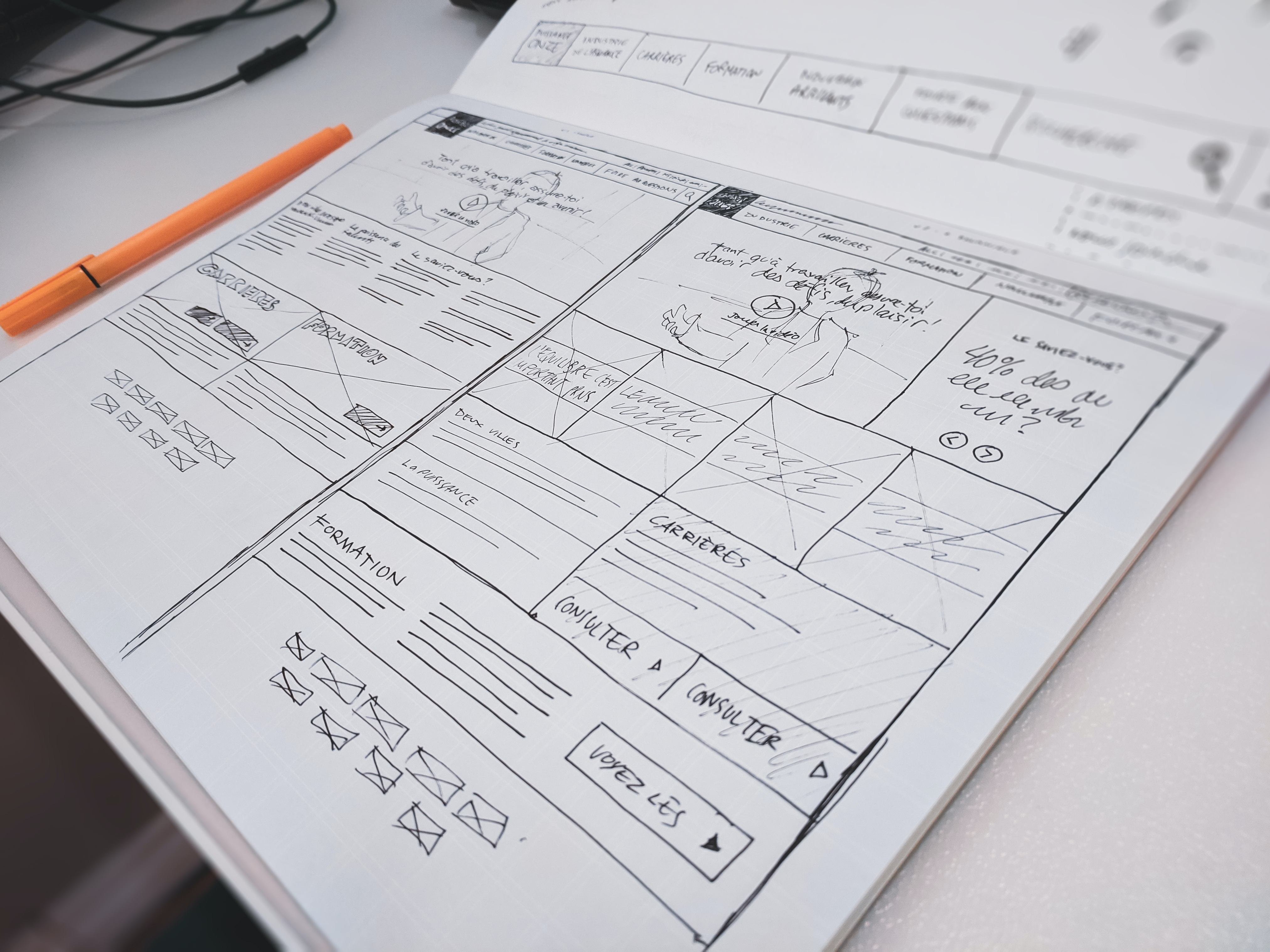
Everyone benefits from structure. Especially creative learners. Especially learners who are super-bright. Especially learners who want to excel. Structure is not a straitjacket, it is scaffolding that lets learners build the mind-palace of their dreams. Course 2 included sequenced assignments, graphic organizers and other forms of structure that made it easy to concentrate on ideas, rather than worrying about what document format I should be using.
Minimize distractions from other learners
Without fail, the first five to fifteen minutes of Course 1 was various participants discussing their dogs/children/medical appointments, etc. Without fail, someone would leave their mic on so we could hear their family chatting in the background, or the road noise outside. For someone with as little patience as I have, this was (is) maddening. It completely derailed my concentration and desire to be there. In blessed contrast, Course 2 was text-interaction only; the only person on camera was the teacher. No voices, no visual disruption, no distractions.
Reinforce key information
Once a course establishes learning goals and provides structured assignments, it is possible to quickly, painlessly reinforce key information. This can be through verbal reminders, chat prompts, post-session email summaries, etc. Regular reminders of what’s important, and why, anchor information in the learner’s mind and allow them to identify what they missed or want to revisit.
Answer questions
Course 2 featured a question-and-answer session at the end of each class. Participants could type questions in a dedicated chat during the session, so no worries about forgetting what I wanted to ask; attendance was optional, which made it feel more like a bonus and less like an obligation; finally, the Q&A was recorded, meaning the extra information was accessible at the my convenience.
What is a course feature you’ve loved (or would love to see)? Share in the comments!






















 Cila Warncke Writer