On Animal Welfare Education

Photo by Matt Seymour on Unsplash

Last November, I read about New Zealand children being taught to trap and kill rats. The story has nagged me ever since.

The child killers were ostensibly working towards the laudable goal of protecting native fauna.

What I have a hard time with is the gleeful tone of the kids, and adults, involved (quoted by McClure, 2022):

  • “My trap, basically the whole thing’s a layer of blood,” grins one enthusiastic vermin-slayer.”
  • “Even the five-year-olds are really into the idea. They know the end goal: they want kiwis back in their back yards,” said Emma Jenkinson, chair of the school’s board of trustees, who helped organise the competition.”

Do the five-year-olds really want kiwis back in their yards? Or are they learning a dangerous lesson?

Teaching cruelty

Research beginning in the 1960s has found consistent strong links between childhood animal cruelty and adult interpersonal violence (Holoyda & Newman, 2016; Glayzer, et al., 2002).

This is so well-established, Holoyda and Newman (2016) note, that: “Cruelty to animals entered the Diagnostic and Statistical Manual of Mental Disorders in the revised third edition (American Psychiatric Association, 1987) as a criterion for conduct disorder, the childhood precursor to antisocial personality disorder.”

But it’s rats, you may say. Vermin.

Rats — like it or not — are living creatures capable of feeling pain.

In April, 2023 New Zealand was prepared to offer children under 14 cash prizes for killing ‘feral’ cats. Fortunately there was enough public outcry to force the organizers to rescind the reward.

My point is, the category of vermin is dangerously prone to expansion.

It is a hallmark of genocide that perpetrators classify the objects of their violence as pestilential, invasive, repulsive.

“In the apocalyptic Nazi vision, these putative enemies of civilization [Jews] were represented as parasitic organisms — as leeches, lice, bacteria, or vectors of contagion,” writes David Livingston Smith, author of Less Than Human: Why We Demean, Enslave and Exterminate Others. He also notes that during the genocide in Rawanda Hutus referred to their Tutsi victims as “cockroaches.”

To be clear, I am NOT equating killing rats or cats with killing humans. That would be absurd and offensive.

What I AM arguing is that humans can be conditioned to treat other living creatures with regard, or the opposite, and that training children to delight in the death and suffering of any living being paves the way for insensitivity to other living beings.

If we teach kids it’s okay to torment and kill one animal, what’s to stop the category of vermin expanding? Again, numerous studies across more than half a century have found strong correlations between childhood animal cruelty and adult violence.

Taking responsibility

Another problematic fact of the New Zealand slaughter campaigns (at least as reported) is the lack of acknowledgement of how the problem started.

Neither cats nor rats are native to New Zealand, and they didn’t swim there. Humans brought rats to the islands (Innes, et al., 1995), and doubtless brought cats to kill the rats, in nursery rhyme fashion.
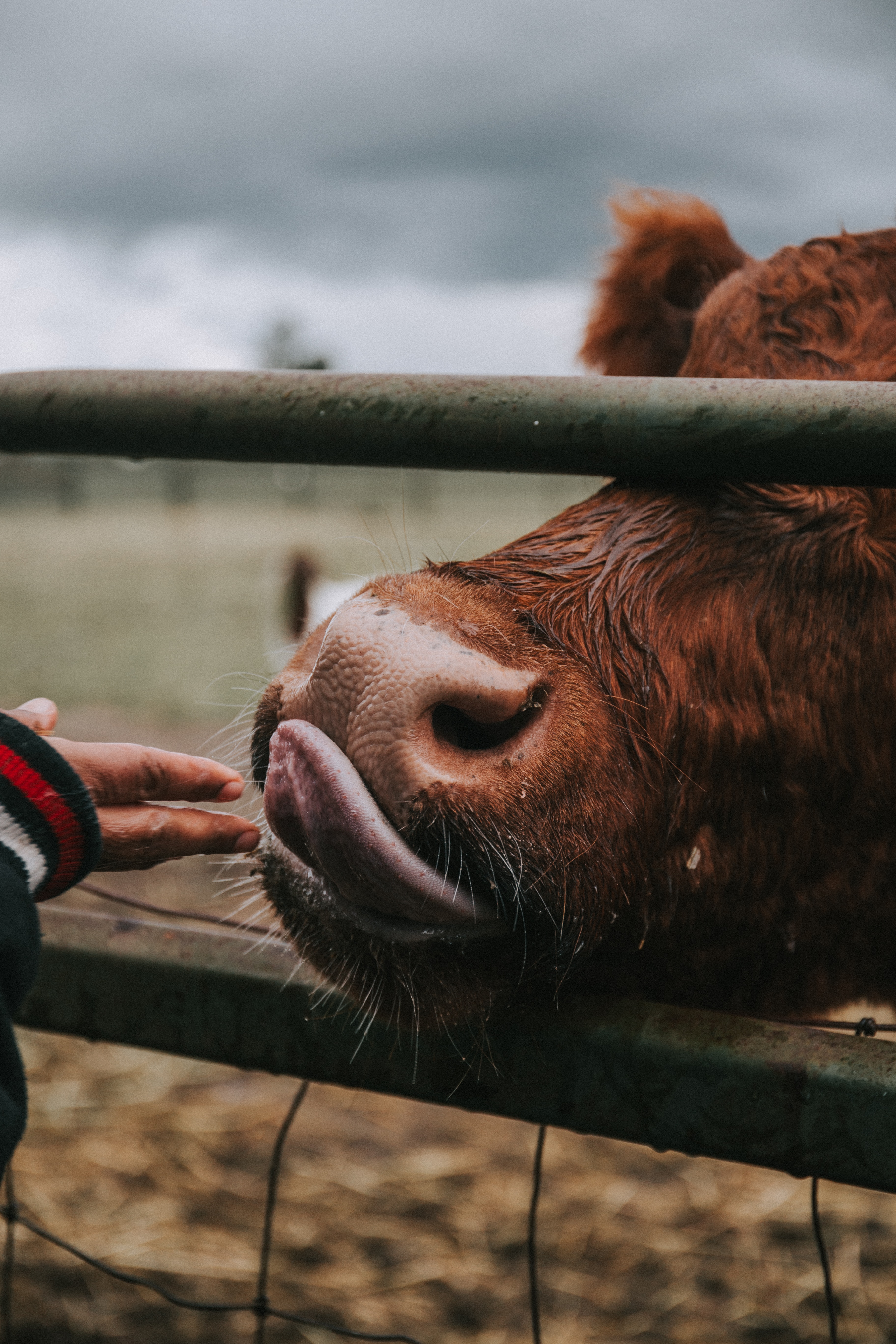
Photo by Jinen Shah on Unsplash

If anyone is to blame for endangering native fauna, it is the colonizers and invaders who arrived with these animals. It may be necessary and appropriate to take protective measures now, but any engagement children have with the issue should be framed in terms of human responsibility for the initial problem.

This means that adults need to deal with the situation instead of outsourcing killing to children. If culling seems the only way to protect endangered native species it should be done as humanely as possible by trained adult professionals.

Animal welfare education

Schools can, and should, educate children about animal welfare. At this point in human history, it is less about kindness than about a last-gasp chance to save ourselves from self-inflicted environmental meltdown.

We cannot slow the headlong rush to planet-scale destruction by continuing with the same mindset that got us into it — the mindset that says: when an animal (or plant, or person) inconveniences us, let’s call them a pest and kill them.

Educating children to treat other living beings and ecosystems with respect and consideration is a step towards self-preservation, in the immediate and (if we’re lucky) long term.

Immediate impacts include reducing interpersonal violence. Scheib, Roeper and Hametter (2010) found that children who taught about animal welfare, “acquire social competences such as empathy, consideration, and responsibilities. Thus, Animal Welfare Education plays an important role in preventing violence in schools.”

Tarazona, Ceballos and Broom (2020) argue for far-reaching benefits to animal welfare education, writing: “The basic concepts of biology, welfare, and health are the same for humans and all other animals. Human actions have wide consequences and we need to change the way we interact with other living beings. … Animal welfare should always be considered in our relationships with animals, not only for direct impacts, e.g., manipulations, but also for indirect effects, e.g., on the environment, disease spread, natural resource availability, culture, and society.”

Interdisciplinary connections

To avoid this outcome, teachers in all disciplines need to participate.

As long as environmental or animal-related topics are confined to science classes, they will remain easy for students to compartmentalize. And a thing that can be compartmentalized can be ignored most of the time.

What can I do, as an English teacher?

For starters, I can highlight relevant themes in texts. One of my classes just finished reading Doris Lessing’s striking debut novel The Grass is Singing, a book in which the physical environment plays an outsized role in the social, emotional and psychological environment. It explicitly deals with themes like land exploitation, too, and highlighting them initiated a thoughtful discussion.

I also love to draw from authors like Henry David Thoreau, Charles Darwin and Margaret Mead.

History class is another fantastic place to educate students about the environment. We should consider and highlight the impact of social change, war, technology, etc. on animals and the wider environment.

Math teachers can use problems that engage with the natural world, ranging from population expansion to epidemiology.

Children who don’t understand that all life is fundamentally connected will grow into adults who won’t see how their actions and choices affect their environment. They will be, in a profound sense, irresponsible. And it will be our fault for not having taught them better.

What is your view on animal welfare education? Have could it best be integrated into curricula? Share your thoughts in the comments or Tweet @CilaWarncke


On ADHD and Exercise

Photo by Markus Spiske on Unsplash

When I was 12 or 13, an older girl at my school taught me to run.

Like any kid, I was familiar with the concept of moving my feet faster when being chased, but she taught me to run with intent, to pick up my knees and let my body slope on uphills, to relax on the downhills, to keep my elbows light and my shoulders back.

Like the givers of most priceless gift, she never got a proper thanks. Thinking of it now, I’m touched and amazed a 15-year-old took the time to hang out with a chubby, socially awkward new kid.

Exercise is more than just a ‘good to have’ — especially for students who struggle. Depression, anxiety, body image issues and low self-esteem are just a few of the struggles running has helped me manage.

It didn’t surprise me, then, when I started reading about the effect of exercise on attention–deficit/hyperactivity disorder (ADHD). My assumption was that ADHD, like so many other physical and mental health challenges, would respond positively to exercise.

Research overwhelmingly bears this out.

Studies on ADHD and Exercise

Silva et al. (2015), who found that “groups of volunteers with ADHD who performed exercise (GE-EF) showed improved performance for the tasks that require attention with a difference of 30.52% compared with the volunteers with ADHD who did not perform the exercise (GE). The (GE-EF) group showed similar performance (2.5% difference) with the volunteers in the (GC) group who have no ADHD symptoms and did not exercise. This study shows that intense exercise can improve the attention of children with ADHD and may help their school performance.”

Haffner et al. (2006) studied yoga as a treatment for children with ADHD: “All children showed sizable reductions in symptoms over time, and at the end of the study, the group means for the ADHD scales did not differ significantly from those for a representative control group.”

Systematic literature reviews

Ng et al. (2017) conducted a review of 30 studies of exercise and ADHD found, “Both short-term and long-term studies support the clinical benefits of physical activity for individuals with ADHD. Cognitive, behavioural and physical symptoms of ADHD were alleviated in most instances… Physical activity, in particular moderate-to-intense aerobic exercise, is a beneficial and well-tolerated intervention for children and adolescents with ADHD.”

Den Heijer et al. (2017) reviewed 29 studies and reported, “the reviewed studies describe acute as well as chronic beneficial effects of cardio exercise on a wide variety of cognitive and behavioral functions in children with ADHD.” For example: “Sibley and Etnier (2003) observed acute as well as chronic effects of various cardio and non-cardio exercises on perceptual skills, intelligence, academic achievement, developmental level and performance on verbal and mathematic tests in children and adolescents (4–18 years). Furthermore, improvements of executive functions of children have been demonstrated following cardio exercise (Best 2010).”

Furthermore, a literature review of 91 studies (Suchert, Hanewinkel, Isensee, 2015) found, “strong evidence that high levels of screen time were associated with more hyperactivity/inattention problems”.

Photo by Rachel on Unsplash

How to Promote Active Education

This should be of particular concern to those of us educators who teach online. For all the benefits and conveniences remote learning offers, we should bear in mind the potential negative effects.

Is it ever fair to ask a child to sit still for six to eight hours a day? No.

But at least in physical schools there are halls to run in, playgrounds, a gym, a playing field. Online schooling asks a lot of kids, in terms of attention, and paradoxically the screen we rely on might make ADHD symptoms worse.

As online teachers, we have a limited influence on students’ activities once they log out of our classroom. This means we need to work with parents and make the most of online opportunities to support student activity. Here’s how that might look:

1. Inform and engage parents

All students benefit from physical activity, so the message should go to all parents. Teachers and administrators can communicate the benefits of sports and exercise through routine conversations, newsletters, blog posts, etc.

Educators should ask what sports students do and offer flexibility for training and competitions. If a kid has to miss class for a clinic, or to travel to a match, we should support that. It is a simple, practical way to commit to holistic wellness and development.

2. Make ‘movement moments’

There are plenty of exercises that can be done in front of a computer. Take a minute at the beginning or end of class to lead students in a yoga pose, do a dozen star jumps (jumping jacks, to my Stateside friends), throw a few jabs or march in place. The kids might think it’s weird at first, but they’re bound to appreciate the chance to bounce around.

3. Talk about exercise and mind-body wellness

Share your positive experiences with exercise (and if you don’t have any, please make time to cultivate some). With younger students you can make straightforward recommendations like, If you’re having trouble concentrating, try running up and down the garden really fast 10 times then go back to your homework. Older students will be able to understand and discuss in greater depth the benefits of exercise and strategize about how to include it in their daily routines.

4. Create opportunities for student sharing and leadership

Be a good example, but don’t hog the floor. Invite students who play sports to give presentations about them, or share their experiences of learning a new physical skill. Ask for volunteers to lead in-class ‘movement minutes’. Encourage students to keep exercise diaries or step counts — you could even make a chart where they can post their weekly totals!

5. Be positive, not preachy

Tone matters. Exercise can easily feel like another demand to over-taxed students. Kids with ADHD are likely more impulsive, more emotional, less able to maintain healthy routines; adding another weight to their shoulders isn’t a kindness, so don’t preach. Model positive wellness behaviors; verbally support students; encourage parents to prioritize physical activity; praise success; praise mistakes. When exercise is a low-risk, fun, habitual activity we all win.

How do you encourage kids to stay active? Share in the comments or Tweet @CilaWarncke
Why Assessment Trumps Judgment

For slightly convoluted reasons (suffice to say a Kindle subscription was involved, which I don’t recommend on either moral or practical grounds) I’ve found myself reading Daniel Kahneman’s doorstop Thinking, Fast and Slow. It merits the description perennial best-seller, though my guess is it is more widely acquired than read, but this isn’t a book review.

Among the many (interminably many) fascinating titbits Kahneman doles out is a story about interviewing soldiers in an effort to forecast future military performance.

Initially, he and his team conducted brief, routine interviews. The trained interviewers would then offer their judgments about the recruits’ likely outcomes. “Unfortunately,” Kahneman notes, “follow-up evaluations had already indicated that this interview procedure was almost useless for predicting the future success of recruits.”

So he designed an interview method that ignored the future but assessed past form on a selected set of traits (responsibility, sociability, etc.).

“I composed for each trait,” Kahneman writes, “a series of factual questions about the individual’s life before his enlistment, including the number of different jobs he had held, how regular and punctual he had been in his work and studies, the frequency of his interactions with friends, and his interest and participation in sports, among others.”

After conducting a few hundred interviews with this new assessment, performance evaluations showed that the questionnaires “predicted soldiers’ performance much more accurately than the global evaluations of the previous interviewing method, though far from perfectly. We had progressed from ‘completely useless’ to ‘moderately useful.'”

This may seem an intuitive finding to anyone who’s heard, much less repeated, the much bandied quote from the philosopher Will Durant: “We are what we repeatedly do. Excellence, then, is not an act but a habit.”

But how many of us — especially teachers — are guilty of acting contrary to common sense and relying on subjective judgments instead of thoughtful assessments?

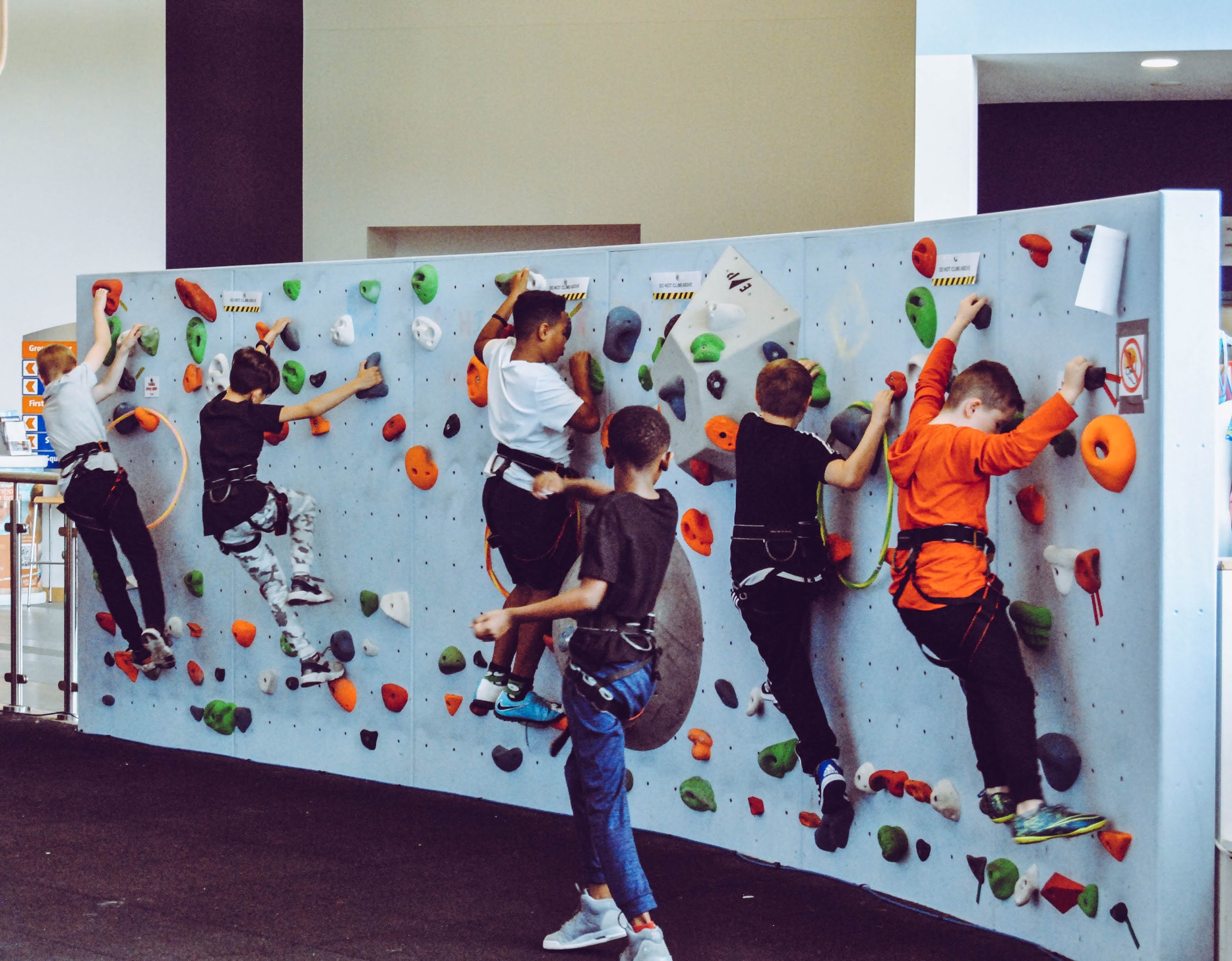
Every educator has encountered students who have potential. We see flashes of brilliance and judge what a student might do. This is probably most widespread when it comes to writing recommendations. In fact, most standard forms ask teachers to predict how a student will perform in future.

If we trust Kahneman’s research even a little bit, we should be much more circumspect about prognostication and base our predictions, if we must make them, on students’ demonstrated performance.

Intellectual capacity, even if it is extraordinary, only yields positive outcomes when applied. A genius student who spends class time scrolling Instagram or staring into space is unlikely to outperform a hard-working average student.

Photo by Luca Bravo on Unsplash

Take as an example my dear brother, the closest person to a real-life genius I know. He dropped out of high school because he was bored and skated through a BS in Economics without buying the textbooks. Inauspicious, to be sure. But he had a track record of deep, almost obsessive dives into topics that fascinated him; his laser focus, coupled with his intellectual gifts, meant he could take on any subject and become an expert once he applied himself. Eventually, he applied that ability to programming and has developed a robust, well-remunerated career.

It wasn’t sheer brainpower, although he has that in abundance, it was his capacity for work and focus that transformed talent into expertise.

To be blunt: smarts are nothing without elbow grease.

It is a pleasure to encounter gifted students. But it is our job as educators to live and breathe the message that being ‘gifted’ isn’t enough. Habits of work are more important to eventual success than the ability to quickly and easily complete a particular academic task. In fact, ease is probably the worst enemy of growth.

Didactic and assessment methods that reward superficial ‘mastery’ are likely to encourage poor work habits, hampering students’ chances of excelling as they continue their studies and move into adulthood.

As educators, it is incumbent upon us to challenge gifted learners, to ensure they experience authentic difficulties and even (whisper it) the occasional failure. Ultimately, diligence and a growth mind-set are more valuable than a few good grades.

How do you help students develop good habits of work? Share in the comments or Tweet @CilaWarncke

My Life in Music

Photo by Hennie Stander on Unsplash

As mentioned in a previous post, I have written for online indie zine Pennyblackmusic for the better part of a couple of decades. One of my recent projects was a series of interviews about my fellow writers, which concluded with one of my fellow writers interviewing me. As my editor, John Clarkson, put it:

“For the last two years in her ‘A Life in Music’ column Cila Warncke has talked to several of our writers and photographers about how music has affected and influenced them. We were interested in finding out in ‘A Life in Music’ what ignited a bunch of obsessives’ passion for music, and discovered that much of our team had lead lives that were just as fascinating as many of the bands. Now that column is coming to an end, and in the last in the series we have turned the tables on Cila and Nick Dent-Robinson has spoken to her about her ‘Life in Music’.”

This may well be the first time I’ve been interviewed in print so thought I’d share.

Cila Warncke: A Life in Music by Nick Dent-Robinson

Cila Warncke is one of the earliest contributors to Penny Black Music magazine, having started writing for them more than two decades ago. Penny Black founder and editor John Clarkson recalls that Cila’s first interview for the magazine was with Cinerama about their “Disco Volante” album. She was the magazine’s first female writer and, as John Clarkson says, he is proud that Cila paved the way for many more excellent female music writers in Penny Black Music over the coming years – as rock music writing was notorious for being too much of a “boys’ club”.

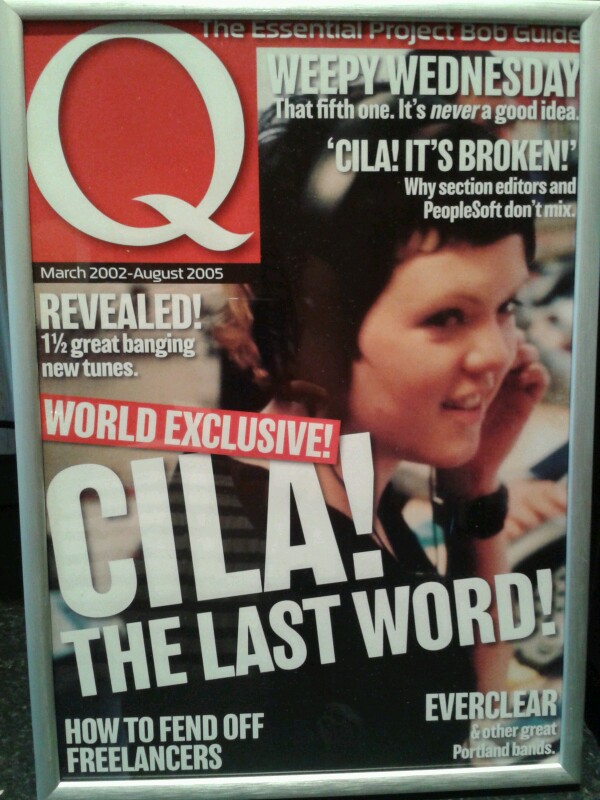
As a professional journalist, Cila says she was attracted by the scope for originality and independence (and lack of male chauvinism) at PBM – and she has produced a fascinating range of articles over her time there. Although she left Penny Black Music in the early 2000s and worked on the glossy London-based music magazine, ‘Q” she was welcomed back in 2012 and has been a regular contributor since then. She has written about the impact of the pandemic on those working behind the scenes in the world of live music, about the eventual demise of ‘Q’ magazine and she wrote a very thoughtful piece about Marilyn Manson. Plus she has produced excellent articles on so many other diverse topics.

Cila also originated the ‘A Life In Music’ series where she probed fellow contributors to PBM about their musical tastes, background and aspirations. – All done with great tact, sensitivity and diplomacy plus insight – key hallmarks of Cila’s style. That series is now drawing towards its conclusion – but not before we turn the tables and seize the opportunity to ask Cila about her own ‘Life In Music”’

Born in 1980 and raised in a small town in Oregon over on the West side of the USA, in her late teens Cila moved to the East Coast to study English at the University of Pennsylvania in Philadelphia – an esteemed Ivy League institution. Subsequently she moved to London to undertake further studies at King’s College before becoming a journalist. She thrived in the UK, enjoying all the many cultural opportunities available just after the turn of the millennium as well as the proximity to Europe. She and her fellow-American husband Chris Hall, a production audio technician in the world of live music, have travelled widely and have now made their permanent base in Valencia, Spain. Cila was at her home in Valencia when I started to ask about her ‘Life in Music’.

What are some of her earliest musical memories?

“Well, my parents weren’t musicians and because my mother was an Evangelical Christian, anything that wasn’t a hymn or soft God-rock was not too popular. It was a cool, rebellious thing to listen to anything other than that. My sister and I would listen to local radio, though and so I got some of the sound of late 80s/early 90s rock and pop culture through that. But my brother – who is around 6 years older than I – loved The Smiths, The Cure and some of the other British post-punk/new wave bands. I enjoyed that sound and I recall some of the record sleeves up on my brother’s wall – brilliant images which made a lasting impression.

The first (non-Christian!) record I remember buying when I was 13 or 14 was Sting’s “Fields of Gold…Best of: 1984-94” and my sister (who was 8 years older and much cooler, always) bought me Green Day’s ‘Dookie’ – which I still think is a great record!”

Read the rest of the interview at Pennyblackmusic.co.uk

10 Sex Affirmative Books for English Language Arts

Following on from my previous post on the importance of affirmative sex education, here are 10 books English Language Arts teachers can reach for to open conversations about love, relationships, gender and sexuality.

These works were chosen because they treat sex with the openness, thoughtfulness, honesty and sensitivity it merits.

Photo by CHUTTERSNAP on Unsplash

Letters to a Young Poet by Rainer Maria Rilke

This brief, moving book touches an many aspects of life: education, self-discovery, solitude, family relationships, etc. but Rilke’s comments about love and sex shine. Don’t be satisfied with conventional definitions of what a relationship ‘should’ look like, he advises. Instead, seek to develop yourself as an individual so you can truly respect and cherish the individuality of another person. It is humane, wise, timely wisdom framed in sublime prose.

Get it here

Frankly In Love by David Yoon

This YA novel centers on Frank Li, the teenage son of Korean immigrants, who finds himself trying to navigate the challenges of new love while wrestling with contradictory cultural expectations. Fast, good-humored and, well, frank, it highlights the importance of being honest with oneself and others — in life and in love.

Get it here

Cool for the Summer by Dahlia Adler

With a nod to Demi Lovato, this novel explores how issues of class and privilege complicate the already complicated issues of love and sexual identity. Are Lara and Jasmine really falling in love, or are they just cool for the summer? And what happens if Lara chases the hunky Chase…? A touch frothy, but heartfelt and affirmative of love, wherever one finds it.

Get it here

Lawn Boy by Jonathan Evison

This Bildungsroman set in a well-to-do Pacific Northwest community hit home with me (though the community I grew up in wasn’t quite so well-to-do). In addition to being a welcome, thoughtful discussion of class, poverty and family tension, it has a romantic twist that is sure to get students talking.

Get it here

A Tree Grows in Brooklyn by Betty Smith

Smith’s beloved coming-of-age tale set in early 20th century Brooklyn is refreshingly forthright about sex. It handles both positive and negative aspects of love and sexuality (including an attempted sexual assault) with a calm directness that can set the tone for open, non-judgmental classroom conversations.

Get it here

Giovanni’s Room by James Baldwin

Baldwin is perhaps my favorite writer on sex; certainly, the rare (American) author who understands and treats sex as the physical act of love. This short novel is appropriate for older teenagers, say 16-18, and explores the tragic consequences of prioritising social conventions over human relationships. To paraphrase Baldwin, the protagonist’s problem isn’t his homosexuality, it’s that his capacity for love has been crippled by his anxiety about what people might think.

Get it here

Genderqueer: A Memoir by Maia Kobabe

Contemporary writers are creating a robust canon of books about gender identity and nonconformity. I love this graphic memoir for its matter-of-fact tone and authenticity. It highlights that gender identity is fluid and finding one’s path isn’t necessarily a linear journey — nor does it need to be.

Get it here

Persepolis 2: The Story of a Return by Marjane Satrapi

Lest you get the wrong impression about the back-to-back graphic memoir recommendations, let me quote one of my students when asked if he liked graphic texts: ‘No!’

He and I share the view that other people’s pictures get in the way of the (superior) moving pictures in our heads.

That notwithstanding, Persepolis 2 is an evocative, eye-level portrait of Satrapi’s struggles with language, culture, love and sexuality after she moved from Iran to Germany. This is a particularly strong choice for children who have immigrated or come from a cultural/familial context that distinguishes them from their classmates.

Get it here

Zenobia July by Lisa Bunker

For younger readers, this is a charming, uplifting novel about a trans girl coming into her own. Details like Zenobia stressing out about which restroom to use add verisimilitude and the plot touches on vital issues like deadnaming, cyberbullying and the importance of community without ever feeling preachy.

Get it here

When I Grow Up I Want to Be a List of Further Possibilities by Chen Chen

Sometimes, I read a book and think, wow, that was brilliant.

Sometimes, I read a book and think, wow, that was brilliant and I really want to be friends with the author.

When I Grow Up… is in the latter category. His poems about growing up as the child of immigrants, cultural tension, sexual identity, homophobia and the search for love are surpassingly deft, raw, funny, tragic, playful and defiant. They also communicate (don’t ask me how) a deep, fundamental good-personness. In a perfect parallel universe, Chen and I would go for drinks.

Get it here

What texts would you add to a literary discussion of love, gender and sexuality? Share in the comments or Tweet @CilaWarncke

Let’s Talk About Sex Education

Photo by Gaelle Marcel on Unsplash

Last year, for the first time, I taught about gender and sexuality in literature. My kneejerk reaction was, I can’t talk about sex to teenagers. Arrggh!

On reflection, this reaction had everything to do with my hangups (to use a good old-fashioned word) and nothing to do with my students’ needs.

This is a common problem in sex education, with the current brouhaha in the United Kingdom serving as an example.

British prime minister Rishi Sunak has, according to the Guardian, “asked the Department for Education to “ensure schools are not teaching inappropriate or contested content” in the subject of relationships, sex and health education… Sunak confirmed the review… after a Tory MP, Miriam Cates, said children were being exposed to sex education classes that were “age-inappropriate, extreme, sexualising and inaccurate”.”

Numerous Tory MPs are on board, one of their complaints being that young people are being taught about oral sex — a classic case of adult prudishness being prioritized over teen well-being.

Chambers et al. (2004) is quoted by Leung et al., 2019 saying Britain’s “value-led approach [to sex education] merely reflects the interests and principles of stakeholders, while overlooking the actual needs and wellbeing of youths.”

Sex ed in the internet age

Does anyone with two brain cells to rub together think not discussing oral sex, or any other sexual act, proclivity or topic, is going to prevent kids from knowing what it is, discussing it, watching it and even doing it?

Children are handed internet-connected screen devices almost as soon as their chubby baby fingers can hold them, in many cases.

Statista data show that 58% of British children own a smartphone by age 8; by age 12, that jumps to 93%. You can bet the farm they aren’t just using it to watch Sesame Street.

Sexuality isn’t a switch that flips at puberty. Sexual behaviors and curiosity are apparent in early childhood.

This might make grown-ups uncomfortable, but our discomfort isn’t useful. Parents and teachers have a duty to help kids navigate this vital part of life.

If we don’t step up, the internet will.

Student needs versus teacher discomfort

In an op-ed, 25-year-old journalist and editor Sasha Mistlan writes (re: Andrew Tate and the importance of proactive sex education): “My friends and I didn’t get any proper education about sex, consent or relationships until we were 13, by which time we had learned it all from internet porn and lads’ mags.”

How can educators ignore this need?

I am a literature teacher; the biology of the birds and bees are beyond my remit. But it isn’t the birds and bees that students need to know about.

They need models of relationships and ways of relating that affirm sexuality as an important (but not overwhelming), natural part of adult life, and of sex as a source of joy and connection. They need love stories with happy endings. They need, also, stories that are unhappy or ambiguous; stories that show mistakes and heartbreaks as a navigable part of human sexual experience, not reasons to drink poison.

However awkward I may feel, students need a safe space for curiosity and discussion. Because lord only knows, they are talking about sex outside the classroom.

Sex positive education

Does the phrase ‘sex positive education’ make you a little uncomfortable?

It does me.

But what does the alternative imply? Sex negative education doesn’t prevent young people from having sex.

Data from the worryingly puritanical United States show that even students who promise to abstain from premarital sex… don’t.

Research published by the American Academy of Pediatrics peer-reviewed journal Pediatrics found: “Five years after the pledge [to abstain from sex], 82% of pledgers denied having ever pledged. Pledgers and matched nonpledgers did not differ in premarital sex, sexually transmitted diseases, and anal and oral sex variables. Pledgers… did not differ in lifetime sexual partners and age of first sex. Fewer pledgers than matched nonpledgers used birth control and condoms.”

Scaring teenagers away from sex has never worked; ignoring sex in the hope teenagers won’t notice it is ludicrous.

The best, bravest, least-comfortable option is to say: hey, sex is a huge part of life, however whenever wherever and with whomever you do it (or don’t), and it can be one of the most joyous parts of life, or one of the most damaging. Let’s talk about how to make it joyful, empowering, pleasurable, safe and beautiful.

Affirmative literature

As a literature teacher, I can do my part by teaching texts that articulate the delights and challenges of sexuality and sexual identity, and working with my colleagues in health, science and psychology to create a safe, affirmative atmosphere for conversations about love, sex and gender.

This requires making careful choices about what my students read. Many of the canonical ‘love stories’ of European literature are anything but — think Wuthering Heights or Romeo and Juliet where ‘love’ and violence are inextricably mixed.

The search for affirmative literature requires looking beyond the cano and seeking stories that reflect a variety of experiences, cultures, orientations and gender identities.

Next week, I’ll share a list of powerful literature that treats sex with the openness, thoughtfulness, honesty and sensitivity it merits.

Suggest your favorite teen-appropriate, sex-affirmative story, poem or film in the comments or Tweet @CilaWarncke

10 Books About People and Movement

My students and I are about to start a unit studying people and movement. Every new course and group is a fresh challenge in curriculum development: identifying and sourcing appropriate texts, deciding on writing exercises, linking new material to previous learning.

People and movement is a tough remit for its sheer breadth. From the wanderings that brought homo sapiens from its ancestral home in Africa to the current heartbreak and chaos that reign at ultra-militarized human-made borders, there is much to absorb, understand, reflect on and debate.

And of course, movement is more than just physical displacement. People and movement must consider emotional and spiritual journeys, economic trajectories, the currents that flow between lovers or haters, the passage from ignorance to enlightenment. Movement is life: heart blood nerve impulse digestive contraction sperm meets egg infant traverses birth canal. We only stop moving when we’re dead.

Looking back at my reading list of the past few months, almost every book could be profitably analyzed through the lens of movement. The following 10 books — a mix of fiction, memoir, verse and biography — give particular insight into human dynamics, visible and invisible. Without further ado, the people and movement reading list.

Without a Net: The Female Experience of Growing Up Working Class edited by Michelle Tea

As culture gets less equal, movement between social classes becomes as fetishized as it is remote. An antidote to the reams written about the poor — Without A Net, edited by Michelle Tea — is by the poor, or the formerly poor. Though one of the key features of the essays in this book is the disabuse of the notion that someone can transcend deprivation simply by making a bit of money. Lack (of cash, of security, of stability, of self-confidence) is a persistent challenge and the writers in this anthology challenge the notion that there is a quick fix for what Richard Sennett memorably termed ‘the hidden injuries of class’.

Get it here

A Small Place by Jamaica Kincaid

Brief yet lacerating, Kincaid’s dissection of colonialism ancient and modern demands an analysis of the privilege of movement. People of certain countries, cultures and backgrounds can move freely, either as conquerors or (almost as problematically) consumers of less-privileged places. The use of the second-person pushes the reader to question their identification and position in the hierarchy of movement.

Get it here

The 1619 Project: A New Origin Story edited by Nikole Hannah-Jones

This anthology includes the longform pieces written as part of the New York Times 1619 Project, plus new essays. It examines the way catastrophic, criminal displacements of people underlie and shape United States’ culture. Kidnapping, transporting and enslaving Africans plus genocidal clearances of Native peoples created a nation that has yet to come to terms with the implications and outcomes of its past.

Get it here

Elusive: How Peter Higgs Solved the Mystery of Mass by Frank Close

Some people look outwards to understand the world, but the movement towards greater understanding often requires turning in. In the case of Peter Higgs and scores of scientists across decades, the journey was ever-deeper into the realm of subatomic particles, resulting in the eventual discovery of the Higgs boson — a particle whose movement is fundamental to the shape of our universe.

Get it here

Lowborn: Growing Up, Getting Away and Returning to Britain’s Poorest Towns by Kerry Hudson

Another intense exploration of the potential and limitations of moving between social classes. Hudson was the English equivalent of poor white trash, a circumstance which meant she spent her childhood moving from one precarious, uncomfortable, humiliating physical and social environment to another. Revisiting old haunts as a successful adult, she is confronted by how little some things have moved on.

Get it here

All the Broken Pieces by Ann E. Burg

This novel in verse is aimed at middle-grade readers but it made me weep. Told in the first-person by a Vietnamese boy who was adopted, after the war, by a couple from the United States, it gets to broken heart of violent displacement and alienation from home and culture. It also (ambitiously, deftly) addresses the emotional and physical trauma of returning veterans.

Get it here

Gravel Heart by Abdulrazak Gurnah

Nobel Prize-winning novelist Gurnah is always writing about movement; his characters roam, seek, sometimes return, are rarely satisfied. This richly textured story follows a seemingly successful immigrant who cannot outrun the pain of a mysterious childhood separation or the complexities of a family where movement failed to heal deep fissures.

Get it here

Down and Out in Paris and London by George Orwell

From scuttling frantically through the subterranean corridors of a posh Paris hotel to tramping the dusty byways of the Home Counties in search of a place to sleep and a spare meal, Orwell’s foray into poverty is marked by movement. Though distinct from his working-class counterparts by education, the young writer genuinely struggled, which — although he couldn’t help but see himself as in the world but not of it — still stands as an honest and compassionate account of poverty.

Get it here

The Island of Missing Trees by Elif Sharak

This novel was recommended by Nobel Prize-winning author Wole Soyinka, who praised its intensity and clarity. The story of lives split and twisted by tribal violence on Cyprus, it explores the penalties of flight, what it means to be rooted, and the long arc of coming to terms with the things that cannot be eluded.

Get it here

The Wonderful Adventure of Nils by Selma Lagerlof

For a final Nobel Prize name drop, this slightly surreal and unsentimental story of Nils the goose boy who accidentally gets turned into a tiny elf. Lagerlof won the literature prize in 1909, the crowning achievement of a career that included poetry, adult fiction and this classic children’s story. Bold and vivid, the tale of Nils illustrates the critical role movement can play in self-discovery and insight. At home, Nils was cruel, spoiled and selfish; after traversing the skies with a flock of migrant geese, he comes to understand kindness and survival in a new way.

Get it here

You Don’t Have to Be Crazy to Study Humanities But…

Photo by Blaz Photo on Unsplash

While I cherish the idea of autonomy, life experience and research argue persuasively that my choices are (while still choices) rooted in the bedrock of where I was born, to whom, how I was raised and what it took to get away from all that.

University majors and mental health

“Students who study humanities, social work and counselling were more likely to report childhood adversities, which are strongly associated with poor mental health” according to McLafferty et al. (2022) in the study ‘Variations in psychological disorders, suicidality, and help-seeking behaviour among college students from different academic disciplines‘.

The authors’ findings are not unique: “A large, cross-sectional study spanning 81 American universities found that students studying art and design presented with the highest rates of mental illness. Almost 45% of art and design students reported at least one disorder, followed closely by humanities (39%). Art and humanities students also had the highest rates of suicidal ideation and over one fifth of students from these disciplines reported having engaged in self-injury” (McLafferty et al., 2022).

This seems entirely plausible.

Unfortunately, it also seems like the sort of thing that could be weaponized against already beleaguered arts and humanities courses and practitioners. Touchy-feely BS for people who can’t hack a real job, etc.

McLafferty et al. (2022) note: “Disciplines demonstrating the lowest rates of mental illness included engineering (31%), public health (28%) nursing (28%) and business (27%). Likewise, a recent study conducted reported that students from arts and humanities, social work, and behavioural, and social sciences, were more likely to report emotional and substance use disorders in comparison to their peers from business or engineering disciplines.”

The bottom line

Observed through a certain lens, this suggests that pragmatic, socially desirable subjects attract composed, socially desirable students; with the obvious, if unarticulated, corollary that arts and humanities are for damaged bohemian types who can’t hold it together long enough to learn quadratic equations, or whatever.

I can see why people might think that, and perhaps they’d be right.

Numerous studies find a strong correlation between parental socioeconomic status (SES) and their children’s academic achievement (Saifi & Mahmood, 2011; Azhar et al., 2014; Lam, 2014, etc.)

Academic disciplines such as engineering and health sciences are resource intensive. Ideally, students will have access to high quality labs and IT equipment from primary school onwards. Ideally, they will also have personal tech — laptops, tablets, etc. — that facilitates connection and learning.

Students from families lower on the socioeconomic scale are less likely to have personal technology, reliable home internet, and so forth. They are also more likely to go to underfunded schools where resources are limited.

When I was in school in the 1990s we were lucky to have Bunsen burners and space to mix hydrogen peroxide and baking soda; my teachers wrote exam questions on the board because the school couldn’t afford Xerox paper. My family could stretch to the graphing calculator required for advanced math classes, but I wouldn’t get my first laptop until 1999.

What I did have access to was books. One thing the United States is blessed with an abundance of is libraries (cheers, Mr Carnegie, I’ll try not to think too hard about how you made your money). Even my home town, pop. 4800, had a substantial, well-stocked library with plenty of cozy reading spaces, stacks of periodicals and regular free activities. It was my refuge, my favorite place, a source of endless bounty.

Having a predilection for reading and writing, I also had a space where these were valued and supported. If I’d had a predilection for trigonometry or building radio cars, there would have been no such space or support.

Steered by circumstances

The Covid-19 pandemic threw learning inequalities into sharp relief: “Children from families with a low SES are less likely to have access to remote learning (UNESCO, 2021), are less often provided with active learning assistance from their schools (Tomasik et al., 2020), and spend less time on learning (Meeter, 2021) than children from families with a high SES. Moreover, parents with a high SES are more likely to provide greater psychological support for their children (OECD, 2019),” reported Hammerstein et al. (2021).

Take an imaginative leap with me: A fourth or fifth grader has a nascent knack for programming. But they don’t have a computer at home, or they do, but share it with several family members and they can only afford a cheap, shaky internet connection. During the pandemic, this kid was out of school for 12, 18, 24 months, with minimal access to educators or learning materials.

They are fortunate that their fascination with the logic of computer language applies to English too. They do still have access to books and reading materials, and they’re sharp enough to learn to craft a strong essay or article by imitation.

They get back to school and the language arts teacher notices their progress, encourages them, makes sure they have access to the school library, gives them extra feedback on their writing.

Meanwhile, they’ve dropped behind their well-to-do peers in IT, simply because they haven’t had the tools or training. The IT teacher, like the language arts teacher, focuses their attention on the strongest students and fails to notice the lost potential of this particular kid.

Naturally, the skillset that gets the most care and attention is the one that flourishes. By the time university rolls around, this student is poised for success in the humanities, perhaps never to realize how financial circumstances subtly but ineluctably shaped their academic trajectory.

Self-fulfilling prophecies

It takes courage and gusto to believe in one’s weaknesses. In my head, I’m terrible at maths and mediocre at science (until math gets involved, then I’m terrible at that too).

This self-perception solidified to fact in my head over years, following the switch from a pre-med track to English Literature in my second year of university. It was wrenching to give up on a long-held goal, but the hard reality was all my English and History professors were encouraging me to major in one or the other, and I was barely scraping by in science.

Telling myself I “couldn’t” hack the math and science was a self-soothing mechanism. However, like many palliatives, it may not have been entirely benign.

I took Algebra I and II, trigonometry and statistics, geometry, and calculus in high school: straight As (though seasoned with tears of frustration); I also took general science, chemistry, physics and biology: A, A, A and A. This rather complicates the “couldn’t” narrative. Sure, I’ve forgotten it all now, but I did learn it — even excelled — at secondary school.

What broke me was the leap to university level, where chemistry became calculus and physics became flat-out terrifying.

If I’d had access to more challenging high school courses, would I have stayed on the pre-med track?

If I’d had greater self-confidence…?

If I’d been aware of the help available…?

The right decision for the wrong reasons

Am I happier as a writer and educator than I would have been as a cog in the moribund US healthcare system? No doubt.

But I wish I’d made that decision from a position of self-confidence and clarity, not an overwhelming fear of failure.

  • When you grow up poor and see an escape route, you really, really don’t want to miss out.
  • When you feel excluded because of how you dress, where you live, what you can’t afford, you will do most anything to blend in.
  • When your financial situation has never not been precarious, you want to stay safe.

Failing classes, tanking your GPA, needing more time to graduate: these have different consequences for well-to-do students and those scraping by on scholarships, loans and work study jobs.

Links in a chain

Difficult circumstances are not always merely socioeconomic; there are certainly young people from affluent backgrounds who have had adverse childhood experiences. It would be wrong, though, to discount the exacerbating effects of poverty on issues like intimate partner violence, child abuse and neglect, substance misuse, incarceration and mental health difficulties.

There are many ways poverty shapes people’s choices and chances, from birth onwards. My hypothetical scenario is just one of many that could shed light on how socioeconomics influence an individual’s choice of study and mental health.

What are your experiences or observations regarding the relationship between study/career choice, mental health and socioeconomics? Please share your reflections in the comments or Tweet @CilaWarncke

On Leading by Example

Teachers, like writers, should show not tell (as much as possible).

As a writing teacher, it is imperative that I set an example as a writer.

My first gig outside of the university newspaper was Pennyblackmusic.co.uk — an independent online music magazine and shop that has outlasted countless best-selling, robustly funded publications.

Though not continuously, I’ve written for Pennyblackmusic for more than 20 years. In slow, desultory fashion it’s become a modest but valued body of work, and a chance to keep my journo skills sharp.

One of the regular features is called ‘Ten Songs That Made Me Love…’

Here are my contributions to the long-running series:

Photo by Jay Wennington on Unsplash

Echo & The Bunnymen

“Some bands are linked to an event or time in life; others, to a person. Echo & The Bunnymen entered my consciousness when I was about eight, via an album cover pinned to my brother’s bedroom wall. ‘Echo & the Bunnymen’, their eponymous 1987 album – was to the right of U2’s ‘The Unforgettable Fire’ and above Depeche Mode’s ‘Some Great Reward’. In grainy black-and-white, Ian McCulloch’s inkwell-explosion hair, eyes downcast beneath thick brows, gave a general impression of dark wool and wind-chill. Yet the music encoded in that vinyl dazzled. It made sense that my brother, the coolest person I knew, bought an overcoat and grew his hair. Who wouldn’t want to be them?

My brother moved out when I was 12; for the next few years we saw little of each other. I bought Sting’s ‘Fields of Gold’. Possibly in despair, he compiled CDs for me. Those songs – Echo, New Order, Depeche Mode – were the basis for a new relationship. More than siblings, we became musical co-conspirators. These 10 songs, only a sliver of Echo’s expansive oeuvre, encode a deep friendship. Apart from their personal significance their freshness, verve and originality make a case that Echo were the seminal New Wave band. Let’s run with those dancing horses.”

Read the full article

Patti Smith

The first time I saw Patti Smith it was like seeing a flesh-and-blood human after a lifetime among holograms. In a world where everyone is obsessed with image Patti is always, ever and gloriously who she is. Poet, rebel, musician, mother, artist, crusader, writer, warrior, deity of rock’n’roll and inventor of herself, Patti never wanted to be anyone else, never pandered, never tried to please.

Her music reaches deep places because it is born from an authentic self, and that’s why it will last.

Read the full article

Pulp

“It’s not chocolate boxes and roses/ It’s something darker/ Like a small animal that only comes out at night”. Jarvis Cocker’s memorable assessment of the titular emotion in ‘F.E.E.L.I.N.G.C.A.L.L.E.D.L.O.V.E’ (surely one of the Top 10 most awkwardly titled songs pop history) is a perfect epithet for the bands’ oeuvre.

The magic of Pulp is the mingling of sharp, danceable guitar pop with lyrics that veer from cynical to downright sinister. Their most radio-friendly hits are rife with violence (‘Joyriders’ “Mister, we just want your car/ ‘Cos we’re taking a girl to the reservoir”) and voyeurism (“I wanted to see as well as hear and so I hid inside her wardrobe,” in ‘Babies’). Love songs in Pulp world include lyrics like: “You are the last drink I should have ever drunk/ You are the body hidden in the trunk” (‘Like a Friend’).

Studying the arc of their career, it’s clear ‘Different Class’s’ arrival in Cool Britannia was coincidence; the subsequent lumping of Pulp with Britpop a music journalists’ convenience. Pulp never shared Blur’s mockney smuggery nor Oasis’ apolitical performance of working classness. Pulp was on a different trajectory: one that began in Sheffield in 1978, contained more than a decade of obscurity, and survived Britpop notoriety to deliver an acerbic welcome to the new millennium.

Its curve is marked by a rare, unflinching insight into the human psyche. Pulp takes love as a subject but, unlike most pop confectioners, doesn’t sugar-coat it. Cocker sees love as a slippery amalgam of baser needs: status, self-worth, revenge, amusement, actualisation, to see the darkest parts of ourselves reflected in another. Attraction doesn’t lead through flower-dappled fields at sunset but down gnarled alleys stale with fag smoke, booze and latent violence.

Rarer still, Cocker understands that society is an echo chamber of our dark hearts: it isn’t just individuals who behave in warped, self-defeating ways, but our whole culture.

Read the full article

Photo by Chris Bair on Unsplash

Memphis Soul

Ibiza, October 2016: What was left of my library was stacked on a slat-wood shelf awaiting collection; the clothes worth taking were crammed into a scuffed purple nylon suitcase; my car was one signature short of belonging to my ex-boyfriend, who was also adopting my cat.

In a few days I would embark for Memphis, Tennessee, a city I best knew as home of Sun Records. To pass time, I was reading ‘Respect Yourself’ (a loan from my Memphis-based boyfriend).

Robert Gordon’s meticulous account of the rise/fall/slip/slide of Stax Records was the history of an alien land and culture. ‘(Sittin’ on) The Dock of the Bay’ rang a bell, maybe ‘Shaft’, but my knowledge of Memphis soul ended there. Embarrassment at this ignorance was a welcome distraction from more immediate anxieties.

Those anxieties faded but the embarrassment clings; as a born-and-raised Yankee, a music journalist no less, it is shaming to have been oblivious to one of the richest seams of my country’s musical culture. Shaming because – as ‘Respect Yourself’ and history report – it is no accident that Black musicians have been, and remain, ghettoised, denigrated, alienated.

That’s not why anyone should listen to Memphis soul though; not to pay tribute or broaden horizons. Listen to be immersed in music that grabs your gut and nether-parts. Listen to the sound of something at stake. Listen because, as the following 10 songs prove, it’ll turn you on and take you higher.

Read the full article

As an educator, how do you lead by example? Share in the comments or Tweet @CilaWarncke
On Reading Aloud to Older Students

Reading aloud is like breast feeding: everyone agrees it is vital for the very young, but past a certain age it gets side-eye.

There is ample research on how reading aloud supports early literacy (Wiseman, 2010; Lennox, 2013, etc.).

What about reading to older students though?

Should story-time, like nursing, be confined to the earliest stages of life, or should it continue beyond the point kids can autonomously digest texts?

Photo by Annie Spratt on Unsplash

If primary function of reading aloud is to support literacy, research shows that reading to older learners “boosts their reading comprehension, increases their vocabularies, and helps them become better writers. In fact, students who are read to are more motivated to read themselves” (Blessing, 2005).

Zehr (2010) reported that, “teachers found by trial and error that reading aloud worked for adding interesting content or making literature come alive for students. And some educators say they read to their classes to model good reading, such as by asking comprehension questions as they go along.”

It is always gratifying when research supports my predilections, but I’ve been reading to older students — including adult learners — for as long as I’ve been teaching. Partly, it’s a failure of imagination: I loved being read to, cannot imagine anyone disliking it.

To be clear: my childhood pleasure in hearing books aloud had nothing to do with lack of independent reading skills. I could read by age four and would compete with myself to see how many pages I could read in a day. My record was 1,000. It was a 1,000 pages of the Paddington Bear series — not War and Peace — but the point is I read like a my life depended on it.

The pleasure of being read to was something else. Books I could (and did) read myself were still a joy to hear being read by my older sister, or one of my parents. We also tuned in to read-aloud radio programs, memorably The Hitchhiker’s Guide to the Galaxy and Jeeves and Wooster.

***

What makes reading aloud so marvelous? And why should it be part of every literature and language teacher’s repertoire?

To get another perspective, I interviewed Andie Yellott, a lifetime English teacher, former Johns Hopkins Center for Talented Youth Writing Program supervisor and parent of a child with dyslexia.

  1. Should reading aloud be continued beyond reading competence?
    Yes. Absolutely. When my son was in fourth grade, I would go in for one hour during lunchtime and read to his class. It was the highlight of the week, they told me. They loved it. They always wanted one more chapter.
  2. How did reading aloud support your son with dyslexia?
    He could not have gotten through school without me reading to him. I read everything, even the godawful high school health book. One of the advantages to reading aloud is you can stop and springboard off into other paths, other conversations, which you wouldn’t do if the kid was reading alone. And if you want a kid to do well on a standardized test, read, read, read.
  3. How did reading to your dyslexic son facilitate his communicative abilities?
    He’s got a huge vocabulary. I’d read to him, stop, ask what a word meant, try to figure it out contextually. Reading aloud to him made a difference. He thought he couldn’t write; now, he’s one of the best writers I know.

Like Yellott, I’ve had lots of student enthusiasm for reading aloud. It is more than just fun, though. Reading aloud supports specific skills, depending on whether the teacher or learner is reading aloud. Here are six benefits observed in my classrooms.

Photo by Photo by Tom Hermans on Unsplash

Teacher-led Reading

Improve pronunciation

Native and non-native speakers alike struggle with the whimsy of English pronunciation. In extreme cases, this can lead to students understanding spoken words but not being able to identify them in print, or vice versa. Reading aloud while students follow along in a text is a straightforward way to ensure that kids are matching the right groupings of letters to the sounds they hear. This is especially important for those who struggle with reading and/or are learning English as an additional language.

Build vocabulary

When students are reading independently it is difficult to gauge how well they comprehend individual words. Students may grasp the main idea of a text but miss important vocabulary. As Yellott said, reading aloud is an opportunity to identify and define unfamiliar words in context. While reading to my students, I pause frequently to check comprehension. If they don’t know a word, we search for context clues, then look up the definition to verify our deduction. This is also a great opportunity to reinforce knowledge of parts of speech, e.g. ‘this is the noun fly; what does it mean when we use it as a verb?’

Create community

Reading is too often solitary and functional, the vegetable kids have to eat before dessert. We need to remember: independently reading printed texts is a novelty. For most of homo sapiens‘ time on the planet, stories were oral. People gathered around fires, or beneath fearfully and wonderfully made cathedral ceilings, to listen to a bard/priest/storyteller. Being read to was the only way most people could experience books until the advent of mass public education, which wasn’t all that long ago.

Reading aloud in the classroom reclaims the power of the story to articulate fears, hopes and desires; to delve and reveal. Students who have a chance to respond verbally to a book: express how they feel, ask clarification questions and debate it with their peers, are axiomatically more engaged than those who skim it in lonely silence.

Learner-led Reading

Correct decoding errors

Even competent readers often make decoding errors such as ‘stared’ for ‘started’. If a student is reading silently, there is no chance to identify and correct these slips that, as they accumulate, affect comprehension. Younger and/or less able readers are more likely to make these mistakes, so reading aloud is an ideal tool to support their literacy.

Understand punctuation

If Emily Dickenson was right and “a word is dead./When it is said” then spare a thought for punctuation. Students can learn the function of commas, colons, etc. through direct instruction but that doesn’t automatically translate to competent — much less creative — usage in their writing. One of the best (only?) ways to understand the delicious possibilities of punctuation is to read aloud. By treating the punctuation as a kind of score — lift the voice here, pause, slow down, shout! — students develop the ear for punctuation that every good writer must have.

Improve verbal fluency and confidence

We tend to think of fluency in the context of learning an additional language, but it isn’t just language learners who need to practice this skill. Learning difficulties, lack of a richly verbal home life and shyness are a few of the reasons native speakers may struggle to express themselves fluently in their language. For students who struggle to articulate, whether because they are acquiring the language or for some other reason, reading aloud takes the pressure off of deciding what to say, and allows them to focus on how to say. Reading well-written texts gives students a chance to see how successful communication sounds; they can practice pronunciation, enunciation and tone without the risk of error. Ideally, they can inhabit the voice of the text and, in bringing it to life, experience the possibilities of their own voice.

Parting thought

In Sense and Sensibility the ‘sensible’ (i.e. sensitive) sister Marianne falls in love with Willoughby in part because “he read with all the sensibility and spirit” his rival lacked. In Jane Austen’s time, to read aloud well and fluently was a mark of refinement and good taste. As our world becomes more digitized, text-driven and fragmented, reading aloud is due a renaissance. Anyone can jab out a text; to read a book with eloquence and feeling, though? That’s magic.

How do you feel about reading aloud to older students? What benefits/challenges have you observed? Share in the comments or Tweet @CilaWarncke