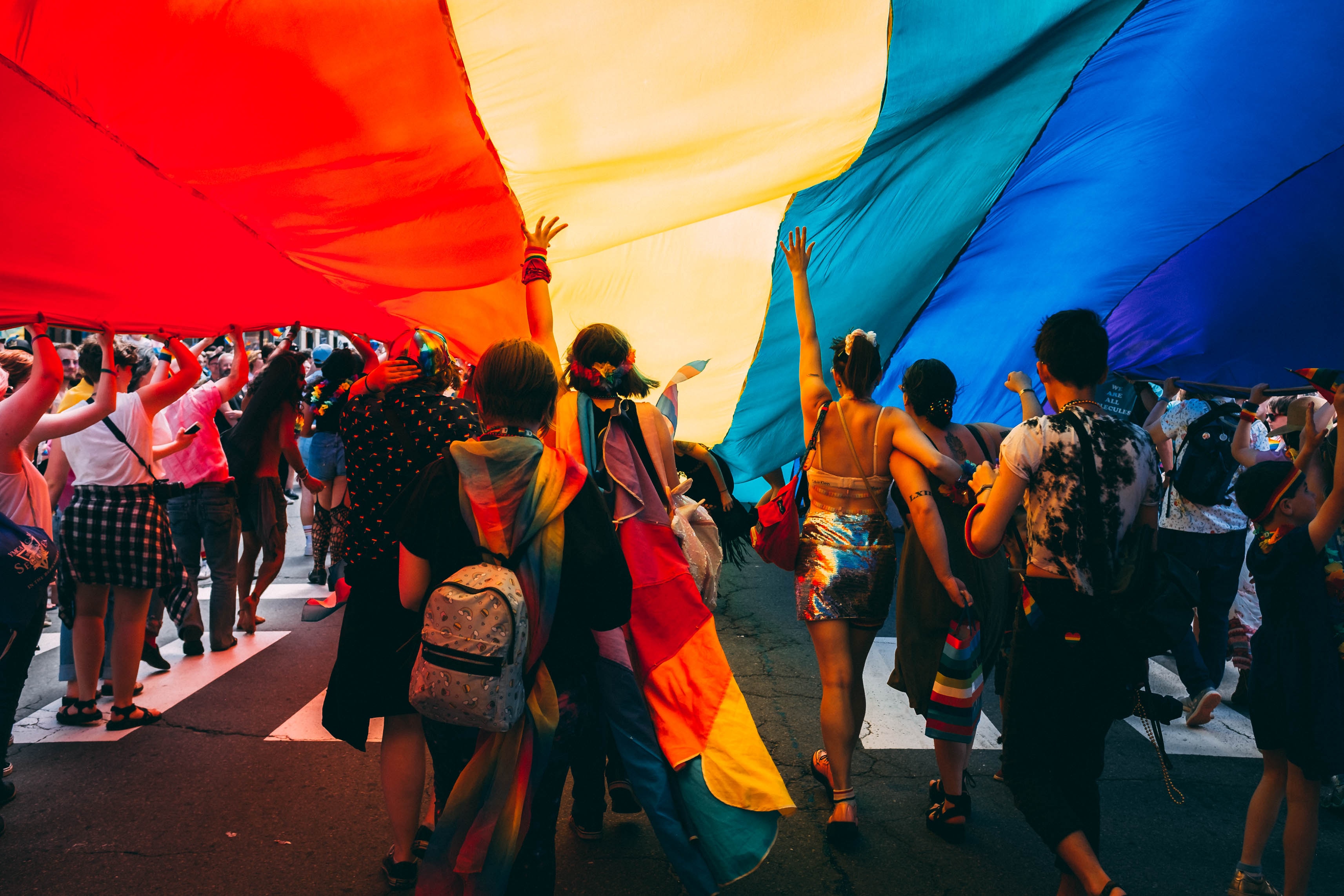
A new reality
Recently, I binge-watched Netflix’s relationship reality show The Ultimatum: Queer Love.
If you haven’t seen it, the show features five lesbian couples that split up and reshuffle. One partner in each wants to get married, the other isn’t sure; the show is a chance to figure out now, forever, or never.
The premise is whatever but it was transfixing to watch a show where queer was the default. There was none of the usual exception signaling or tokenism of shows with only a few queer participants/characters; no hetero normativity. Instead of being Other the participants just were.
Soapy plot-lines aside, it was cool and refreshing to see queer women flirt, do their make-up, argue, shuffle around in slippers, make romantic gestures, walk their dogs, pitch fits, drink too much.
It should NOT be revelatory that queer people are human too, but, watching The Ultimatum, made it clear that what we are presented with as normal is in fact (hetero)normative. This doesn’t reflect reality but constructs an image that we are taught to accept as real.
Resisting the norm
Michel Foucault’s concept of normalization, the process by which ideas or ways of being come to be taken for granted, is pertinent. As educators, we are immersed in normalizing messaging, as are our students. They can be as invisible and pervasive as the air we breathe. Like tainted air, they are dangerous. Sociocultural imperatives about normalcy or (worse) naturalness — often deployed around subjects like sex, gender, social roles, economics, etc. — have the potential to do massive harm. Even when they seem innocuous, they put a subtle curb on imagination.
Resistance is the only antidote. According to Foucault scholar Dianna Taylor, “Refusing to simply accept what is presented as natural, necessary, and normal – like the ideas of sex and the norm itself – presents possibilities for engaging in and expanding the practice of freedom.”
Positive normalization
Humans are neophobic, shying away from the unfamiliar. This calls for conscious effort to challenge unhelpful or restrictive norms with positive normalization, i.e. not of a particular way of being but of an open, curious approach to life.
Replacing an old norm with a new norm simply shuffles the exclusion tiles. What we need, and we as educators should model, is normalizing acceptance, inquisitiveness and respect towards what is unfamiliar but not harmful.* Nobody is obliged to embrace someone else’s way of living, but a good education should provide them with the self-awareness and self-confidence to live and let live.
*By all means, resist and reject ideas and actions that harm oneself or others.

What I try to normalize in my classes
- Making mistakes: Students are under mad pressure about grades, achievements, performance, etc. This fuels counterproductive perfectionism and alienates kids from their greatest learning tool: mistakes. As I wrote in ‘On Screwing Up‘: “You can’t learn what you already know… Existing expertise may gratify the ego, but it doesn’t grow the intellect.”
- Asking for help: Along with making mistakes, it is critical to encourage students to ask for help. Teachers are not (or shouldn’t be) remote judges, hovering only to instruct and assess: we should be there to solve the problems before we grade the answers. We have to resist the Anglo-American individualist tradition and remind kids that asking for help is a sign of intelligence, not weakness.
- Discussing problematic language: As a literature teacher, problematic language is an all-the-time issue. How do we understand Jean Toomer’s use of the n-word in Cane? Is it ever acceptable to use the r-word? What about swearing? How do we get better at remembering people’s pronouns? Teachers cannot protect students from problematic language, nor prevent them from using it. What we can do is explore why words or phrases are problematic, how they got to be that way, and what using them really means. We can educate students about the power of words and help them understand what their word choices say about them, and how their use of language affects others.
- Talking about intersectional privilege/disadvantage: There is no contradiction in urging students to treat everyone they meet as a unique individual and teaching them about how individuals are shaped by intersectional privilege or disadvantage. It is fact, not indoctrination, to articulate that white females have different experiences than white males, cis people different experiences than trans people, people of color different experiences than white, etc. Yes, people are more than the sum of their identities, but those identities matter and by understanding them we gain greater understanding of those around us — and ourselves.
- Fluid gender and sexual identities: The majority of literature portrays a limited range of gender and sexual and identities. There is no getting around that, although the canon is growing joyously year by year. What I can do as a teacher is A) bring in as much LGBTQ+ literature as possible and B) teach texts in context, i.e. the couple in Guy de Maupassant’s ‘The Necklace’ are a man and a woman not because that is ‘normal’ but because it reflects the gender roles and romantic partnerships of that time and place. Typing that, I see how reductive it sounds. Yes, it is an imperfect approach, but it at least opens discussions about how gender roles and sexual identities have changed over time.
What would you like to normalize in your classroom (or world)? Share in the comments!








 Cila Warncke Writer