On Revision with Elisabeth Dahl

Welcome to ‘Between the Lines’ – interviews with teachers, writers and writing teachers on specific aspects of their craft.

In this week’s conversation, Elisabeth Dahl (no, no relation) discusses the transformative power of words, with a special focus on teaching revision.
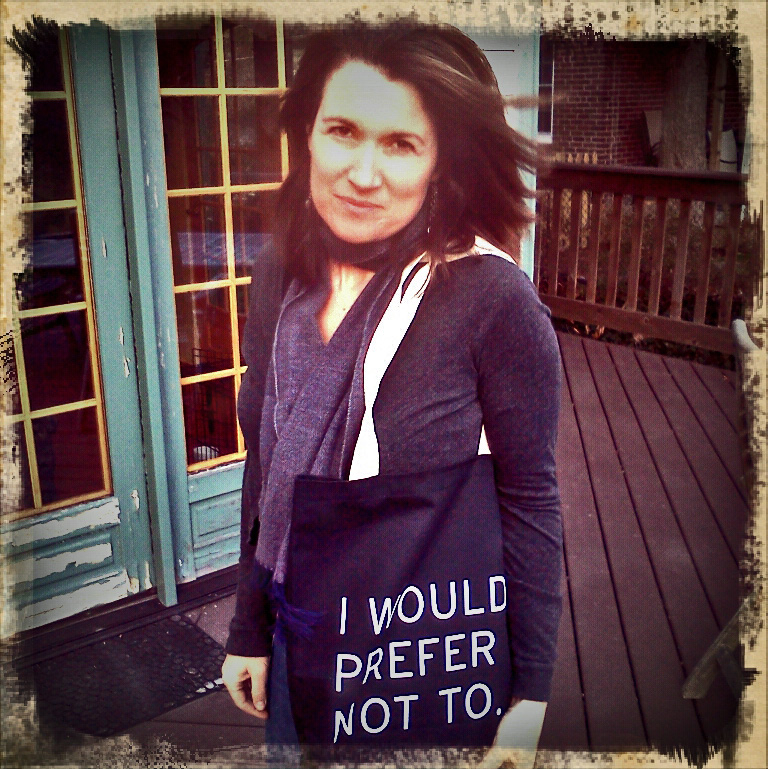
Photo courtesy Elisabeth Dahl

‘I worry for people who don’t write’

Author, illustrator, editor, educator: Elisabeth Dahl’s writing experience spans genres and professions. The through line quickly emerges in conversation – a deftness with, and delight in, words that is as contagious as a yawn. And a knack for detail that brimfills anecdotes with life and color.

The Baltimore, Maryland native grew up near Johns Hopkins’ main campus, where she completed her undergraduate degree. She returned to the city as an adult, and lives a few miles from the hospital where she was born.

“As a child, I loved school right from the start,” she writes in her online bio. “By the time I was in ninth or tenth grade, one thing had become clear: Analyzing stories and crafting sentences lit me up in a way that history, math, and the rest did not.”

Speaking on the phone, Dahl credits this to her high school teacher Joyce Brown (with whom she still exchanges emails). “She approached us as if we were college students. When we started [James] Joyce’s Portrait of the Artist as a Young Man, we spent 20-30 minutes talking about his decision to use ‘the artist’ instead of ‘an artist’. To think this was even a question! It would have been one thing to debate writer versus artist, but to look at the article – the versus an – was incredible. As it turns out, [Ms Brown] led us to understand it made quite a big difference.”

Understanding the big differences a small lexical choice can makes is a sine qua non for a writer-educator. “I’m a better writer because I’ve taught writing,” says Dahl, who worked for Johns Hopkins’ Center for Talented Youth for the better part of a decade. “I was still making the same mistakes emerging writers were making: the stakes weren’t high enough, or I was padding the stories. Seeing these problems [as a teacher] was sort of teaching myself at the same time. It helped me incorporate the lessons into my own writing.”

Textures of language

For Dahl, a reciprocal relationship between teaching and literature was established early; her mother and grandmother (with whom they lived until Dahl was eight) were elementary school teachers who made reading a central part of her young life. They also gifted her with a fascination for the stories embedded in artifacts and moments. Her favorite space, as a child, was her grandmother’s walk-in closet. “It smelled like mothballs but had its own, not just aroma – aura. It had a history. It was a special occasion if I got to try on old dresses, like the one my mother wore to her junior prom. There was a scarlet red [dress], like what a Spanish dancer would wear, with tiers, strapless. It didn’t look like any of the other clothes in there. Jane Eyre had her red room; I had this red dress.”

The aural and visual qualities of words beguiled her: “I liked that if you said a word like ‘fork’ or ‘salad’ 25 times to yourself, it became nonsense, weird, you could almost hallucinate about it”. Another female relative, an aunt, was a graphic designer. Tracing pages in her books on hand-lettering introduced Dahl to the “tactile aspect” of language.

These formative experiences of words and stories as real and imaginative, concrete and abstract, primed Dahl to thrill to the challenge when Ms Brown assigned Herman Melville’s Bartleby, the Scrivener. “A light had turned on. I remember standing in her empty classroom, during a free period, talking about it with her, totally energized. I [still] don’t know if I know what the story means,” she says cheerfully. “But I love it. It’s like a Rorschach test.”

Inspired by Ms Brown’s example, Dahl prioritizes space for students to encounter epiphanies by “helping them get a new perspective, become a better observer, or express themselves better. As a teacher, you’re another voice in this person’s head. You have to take it seriously. You don’t know the other voices in their lives, all you can do is be respectful and help them grow.”

But why learn to write any more – aren’t there machines for that?

“Because to have a good relationship with writing is to have a good relationship with your own mind, your history, the world around you,” Dahl responds. “I worry about people who don’t write regularly. The memoir I’m working on has taught me so much about things I’ve been thinking about for 54 years. By laying out the words, revising the words, reconsidering the words, I’ve developed new attitudes towards certain moments, and people. It’s wonderful to be able to do that.”

Photo by Annie Spratt on Unsplash

On Revision

How do you create an open, accepting environment where students think beyond the binary of right/wrong?

One assignment I designed is based on Amelia Gray’s short story ‘Monument’. In it, the people of a town came to clean up a graveyard, then something changes, and they start destroying the graveyard, almost like Shirley Jackson’s ‘The Lottery’. I had students pick a character and rewrite the [third-person] story in the first person. We talked about what that changed, what opportunities it created, what it shut down.

This helped them realize that a piece of writing is many, many choices. It loosened students up. It was an act of playing around, like they might approach improv.

How do you push students beyond ‘good enough’?

Try to present revision as an opportunity. What if you wrote in a different point of view? What if you sprinkled some of these details throughout the story?

For students who are good but could be better, I call upon their sense of a challenge, their curiosity, intrigue. If a student is a tennis player, or pianist, say, I remind them how many hours they spend on the court or at the keyboard. Writing requires the same. It’s a lot of time, a lot of effort, yes.

I always tried to teach that we’re all on the same continuum. We’re writing. We’re writers. Getting started, revising, these things are always challenging.

How can students develop a feel for revision?

They need to be reading, copying out passages as a way of internalizing what good writing is. I encounter people who say, ‘I know I could write a novel’, then you ask what they are reading and they ‘don’t really read’. That’s never going to work.

How does revision differ between fiction and non-fiction?

With non-fiction you have to think about fact checking, accuracy, but the process is not all that different. You’re still asking about tone, voice, consistency, how the narrative is laid out, what is the best way to tell the story, whether you’ve grabbed the reader…

How do you approach teaching revision with different age groups?

With younger students, don’t talk down to them. With all ages, nurture their curiosity about where a piece of writing might go. Again, trying to relate writing to other endeavors, whether playing sports, or working at a grocery story. Remind people that revision isn’t just something we do in writing. We’re always revising things, always being asked to spend more time perfecting or altering, it’s part of being human.

What is a sign that the process is working?

When students say, this went a different direction, or, the character surprised me by doing this. That is exciting. It shows they are engaging on another level, not just trying to bang out the essay or the story.

Dahl recommends:

The piece of writing that changed your life as an adult?

Fun Home: A Family Tragicomic by Alison Bechdel. She explores, in a graphic novel, growing up, the truths that were presented to her and the truths she had to discover later. It was fascinating, her level of honesty. I get most of my books out of the library, but I went straight to the book store and bought that one for full price.

A classic you love to teach?

‘Why I Live at the PO’ by Eudora Welty. It’s an unreliable narrator story, very subtle, hard to pull off. Every time I read it, I see new things.

A book about writing every writing student should read?

On Writing by Stephen King. Although I’m not a King fan, this book is so good, especially if students are interested in writing books and getting into publishing. It is full of good advice, very practical.

A book + film adaptation combo you love?

Ian McEwan’s Atonement – that was a great movie and a very good book.

A living writer you’d love to hang out with?

Ann Patchett. She co-owns a book store called Parnassus Books in Nashville; she has a wonderful personality, she’s smart, she’s a good writer.

Your perfect writing space?

My house, where I live and write, is suburban, there are beautiful trees but always people walking past. I like to have people around.

If you could publish anything, what would it be and why?

It would be nice if the memoir I’m writing eventually becomes a book. What got me started was realizing how much I loved reading memoir. There is something about a well-crafted, honest memoir that stands out; they are always engaging.

Connect

Buy

PDX Indie Bookstores

Portland, Oregon has a well-deserved reputation as a bookish city. Its literary climate springs, in part, from its actual climate. During the months of interminable rain it is natural to retreat to bookstores and libraries, or curl up at home with a favorite volume. The city’s creative energy, fueled by coffee, craft beer and local wine, helps foment works of imagination by local writers. Harvest the fruit of their labors at these book stores.

Photo by Rumman Amin on Unsplash

Annie Bloom’s Books

http://www.annieblooms.com

This small but venerable indie bookstore in the heart of Multnomah Village, on the west side, has been dishing out literary goodness since 1978. It sells new books, with a focus on fiction, children’s and young adult, travel, current events, and cooking. Plus it is a great space to browse for magazines, art supplies, puzzles, and cards.

Broadway Books

http://www.broadwaybooks.net

503-284-1726

This Northeast Portland stalwart is particularly strong on stocking local writers. Subject matter is wide open, with offerings of fiction, non-fiction, poetry, graphic novels and more. You will find personalized material from local authors like Cheryl Strayed, who has the honor of a section dedicated to signed copies of her work.

Powell’s City of Books

http://www.powells.com

No mention of the PDX literary scene would be complete without a nod to Powells’s, City of Books. As the biggest thing in local literary retail it is a huge draw for both writers and readers alike, who can spend happy hours browsing its immense color-coded collections. I’ve been hanging out at Powell’s since I was a kid (when I gravitated to Nancy Drew mysteries and Marguerite Henry horse stories). Whatever you go looking for, you generally come out with something different, which is most of the fun of it.

Wallace Books

https://www.facebook.com/wallacebooks

The most adorably clapboard, overstuffed used bookshop imaginable, Wallace Books is a throwback to the eclectic, eccentric wonderful bookstores of my childhood. Its charming exterior beckons you in and its sprawling collection rewards languid browsing. Take your time.

What’s your favorite indie bookshop? Big it up in the comments!

40 – Dodging the Magic Bullet

A version of this piece was published in Transition, a Canadian magazine on mental health.

Photo by Ross Sneddon on Unsplash

In 1980, the year I was born, the board of directors of the American Psychiatric Association voted to allow pharmaceutical companies to offer paid symposiums at its annual conference. Thirty years later I was sitting on coarse beige upholstery in a doctor’s surgery in Glasgow. “Are you sure the results are normal?”

He sighed and repeated that my blood, hormones, iron level and thyroid were all fine.

Disappointment lodged in my oesophagus. Please tell me something’s wrong: hypothyroidism, Vitamin D, anaemia, hormone imbalance, anything.

I had moved to the rain-wracked west coast of Scotland to do a Master’s degree in writing but, after a few weeks, I could barely read. Obsessive thoughts snarled and snapped: you’re stupid, you’re hopeless, you’re a failure. Glasses leapt from my hands at my part-time waitress job. Burns crept up my arms as my reflexes slowed. My boss reprimanded me for being “snappish”. I craved sugar, wolfing my flatmate’s ice cream and cereal then slinking out the next morning to replace them. I slept 12, 15 hours a day, exhausted by the weight of my body.

One more test. The doctor gave me a single sheet of paper. I tend to score well on tests; this was no exception. The Beck Depression Inventory1 is a common screening for depression, intended to “identify [its] presence and severity”2. He skimmed my responses about sadness, guilt, irritability, hopelessness, sleep disturbances, and suicidal thoughts.

“I’ll write you a prescription.”

“Is there someone I can talk to?”

Referral in hand, I walked to another basement office.

That doctor cut me off after ten seconds: “Do you want a prescription?”

He huffed audibly. “If you want to talk to someone go to the counselling service. All the other American students are on meds.”

***

In Anatomy of an Epidemic award-winning journalist Robert Whitaker describes how the “notion that [pharmaceutical] ‘magic bullets’… would bring miracle cures”3 became psychiatric dogma — despite the fact no one fully understands the organic processes of mental illness. Do psychotropic “bullets” hit their target? If so, what happens? No responsible physician would prescribe thyroid and hormone treatment without a lab test. But nobody checked my serotonin or dopamine levels. My doctor had never seen me before. He knew nothing of my family, temperament, or situation, but on the basis of 21 questions offered a drug that would dramatically, maybe irreversibly, alter my brain chemistry.

Photo by Aliane Schwartzhaupt on Unsplash

The most common antidepressants are selective serotonin reuptake inhibitors (SSRI)4 like Prozac. As it happens, I spent several years toying with a fast-acting antidepressant. Methyl​enedioxy​methamphetamine, like SSRIs, boosts serotonin levels in the brain. It obliterates unhappiness in a rush of euphoria, confidence, clarity and empathy. Everything is better: music, lights, colour, conversation, friendship, sex, and cigarettes.

Until the comedown.

“Suicide Tuesday” was a semi-serious joke among club kids. We compared notes on nightmares, hallucinations, and memory loss. We counted the days till jaws stopped aching and appetites returned.

Prozac is legal but brain chemistry is no respecter of legislation. Trials on SSRIs show that “rats fed high doses… ended up with neurons that were swollen and twisted like corkscrews”5. The human evidence is compelling: the Food and Drug Administration received 39,000 complaints about Prozac in the nine years following its approval, including reports of suicidal and homicidal outbursts, “psychotic depression, mania, abnormal thinking, hallucinations, hostility, confusion, amnesia, convulsions, tremors and sexual dysfunction.”6

***

Instead of antidepressants I took the second doctor’s advice and went to the student counselling service. Every Friday afternoon between three and four (after dark, for most of those moths) I went to a basement room where a white-faced, gold-rimmed Seth Thomas clock sat in a disused fireplace. A tiny glass pitcher and two small glasses stood on the hearth beside a box of Tork tissues. I had fold them in half to blow my nose.

“I’m scared.”

“Of what?”

“I feel like I’ve lost control.” I threw another fistful of sodden tissues in the bin. “You know the Rolling Stones’ ‘Paint It Black’? It feels like that.”

Words that come to mind now are no less true for being clichéd. Nouns: storm, cloud, void, chasm, maelstrom, black hole. Verbs: choke, crush, frighten, smother, horrify. Adjectives: miserable, catatonic, helpless, damaged, trapped, angry, sad, frustrated, lost.

***

In 1988 the United States Food and Drug Association green-lighted Prozac and America’s National Institutes of Mental Health set up the Depression Awareness Recognition and Treatment (DART) program. Its mission was to promote “greater acceptance of depression as a disorder” and, perhaps not incidentally, spread the word that “antidepressants produced recovery rates of ‘70% to 80% in comparison with 20% to 40% for placebo.”7 Eli Lilly, which held the patent on Prozac, helped pay for eight million DART brochures that highlighted the merits of serotonin-boosting pharmaceuticals.

***

Photo by Wherda Arsianto on Unsplash

If you’re trying to dodge the magic bullet you need other weapons. I’ve been running since age 13, hooked on the peace and clarity that follows the effort. In Glasgow I got up at 5:30AM, pulled on ski socks, leggings, sweatshirt, jacket, hat, gloves and battered Sauconys then ran for an hour. I swapped my restaurant job for a coffee shop and found comfort in the routine of making espresso, toasting sandwiches, and gossiping with the regulars. At home I baked caraway rye bread, bagels, and lemon cookies to combat the chill seeping through the single-glazed windows. I bought kilos of oranges and taught myself to make marmalade; experimented with vegan mac-and-cheese and coconut milk smoothies. On black afternoons I tiptoed up the ice-slick hill to the gym and did squats, bench presses and seated rows. I used holiday photos for bookmarks and saved quotes on index cards: “A book must be the axe for the frozen sea inside you,” wrote Kafka.

***

“In a [1998] World Health Organization study of the merits of screening for depression,” writes Whitaker: “Those diagnosed and treated with psychiatric medications fared worse – in terms of their depressive symptoms and their general health – over a one-year period than those who weren’t exposed to the drugs.”

***

One year is 365 days of wondering why am I still breathing? It’s a long time to resist the temptation to drag the tip of a knife down your arm just to see how it feels. I scurried and feinted but depression was a patient cat to my mouse. There were still tears in writing workshops, still mornings huddled beneath the espresso machine gnawing my fingers, still cake binges followed by penitent cups of vegetable broth.

Depression is a black-hearted octopus tenderly, insistently probing for weakness. Resistance is the only secret to survival; fight the beast with every cheap, inadequate weapon at your disposal. Work and running were my best allies. I got better at snatching pleasure and being selfish about delight. When insomnia chipped at my fragile defences, I went to the doctor for sleeping pills. At the end of the year I left Glasgow, bruised but stronger. A magic bullet might have been swift relief. But the grit, patience, and humility I learned on my way are side-effects worth having.

Photo by Nathalie Désirée Mottet on Unsplash

37 – Atropos

A short story originally published on Medium. Atropos is one of the three Fates in Greek mythology, the one whose decision is final — her name means ‘inflexible’.

“First, I want to thank you for the invitation. All the invitations. Thank you for asking until I said yes.

“The first year, I was too angry. The second year, I was too angry. Last year, I was afraid of what I might say. My gratitude to the faculty and administration — especially Dr. Harnett and Dr. Walsh — who persisted in asking without expectation. They were close friends of my father, meshed in their own grief, but they reached out again and again.

“I didn’t appreciate it to begin with — and by that I mean, for years. I was angry with this school, with them, with the students who survived, even — a little — with the ones who didn’t. I wanted my father. If I couldn’t have him,
I wanted to hoard all the grief in the world.

“But the world is adept at delivering low blows. Even in my depths of my deepest wallows, it was hard not to know how easy it is to be sucker-punched by fate.

“It has taken four years since that day, which some of you remember all too-vividly, for me to be able to stand here and hope to say something that is not untrue. Many of you, mercifully, only know what happened second-hand — as do I.

“You didn’t see the gun. You didn’t hear the shots. Didn’t smell — as I’m told they would have — the propellant. It wasn’t your hair that stood on end, or your body that shook with the adrenaline rush. You didn’t have to make a life-or-death decision, without knowing which was which.

“Dammit. I’m still angry. At everybody, everything, every minute that added up to the moment my Dad died because some warped asshole had a bad day.

“Forgive me, fellow family members, survivors. I mean no disrespect. But let’s not give what happened more credit that it deserves. We lost our loved ones to an act of madness. I don’t want to credit their killer with reasons.

“Sorry — I should stick to my notes.

“I thought hard before saying ‘yes’. I didn’t want to come here and pretend to have reached a resolution. Yet, it was time. Those of you who were lucky enough to know my Dad, to study with him, know the only thing he loved more than making wine was teaching future winemakers.

“He treasured education and when he retired from his first career as research scientist to start the winery, it was the teaching he missed. This program gave him a chance to combine the two great loves of his life. I wanted to honor that. It’s what he would have wanted.

“So I said ‘yes’, not knowing what came next. Knowing what to say was one of Dad’s gifts. It’s not one of mine. But my mind kept turning back to one story — one pivotal moment.

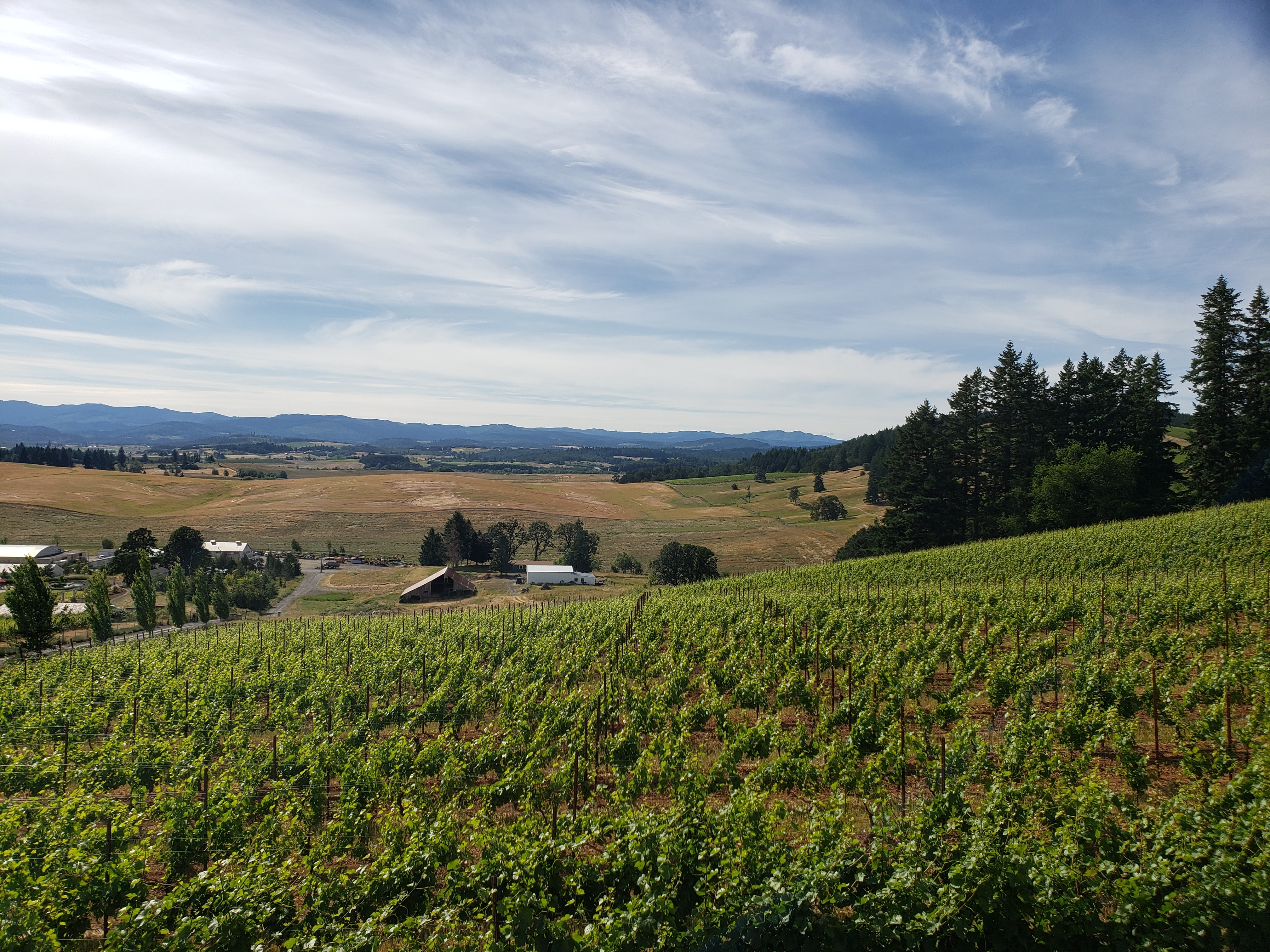
“Most of you know the winery, or will have at least driven past and seen the acres of vineyards spread across the hills. If you can, erase all that. Picture those hills with nothing but brambles and stones. Picture a decrepit clapboard house with clothes on a line out front, and a tractor parked next to a beat pick-up truck. Picture my Dad, humping that rusty machine along those hills ten hours a day. My Mom tending hundreds of tiny scraps of vine nestled in cardboard milk cartons. After school, my brother and I put to work planting, watering, propping, tying.

“It takes about four years to get a crop, as you know. I was 15 by then, sick of the dirt, convinced nothing was going to come of this stupid experiment. That first year changed my mind. We didn’t get a lot of grapes but they were good. And the wine Dad made was great — award-winning, in fact. Suddenly, my pea-sized teenage brain saw the potential.

“I was almost excited for the second harvest. A handful of friends from schol were coming to help pick at the weekend. The Friday night was warm and hazy. Sunset hung on forever — the sky turning from fuchsia to rose to powder pink. Mom and Dad were on the porch, drinking wine. Toby and I were playing checkers, which is this weird old thing that was invented before the internet. I was completely content — a rare emotion for me at 16 — everything was right.

“The next morning I woke up to Dad shouting, crying really, roaring. I was terrified, I’d never heard anything like it. There was something else, this sort of whirring, rustling noise in the background. Running out of my room, I collided with Toby, and we both staggered into the living room.

“That house overlooked the main, the only, vineyard. Through the open front door I saw this dark thing — this moving mass. Dad was running towards the vines, arms flailing like a Laurel & Hardy skit. Mom on his heels. After a confused minute we realized it was birds.

“Hundreds, thousands, who knows. More birds than we’d ever imagined. Hitchcockian levels, swarming our ripe grapes.

“That was break point for Dad. He had an academic job on offer. He had no harvest. We were broke. You’re familiar with the taut economy of wine-making so you can imagine…. I, in my adolescent wisdom, was convinced, determined this was a sign. Like, “Dad, we tried, we failed, now can we please go back to the city and a job where you can afford to buy me a car?”

“Instead, he remortgaged the property on terrifying terms, and went back to planting and pruning. I was furious, livid. What was going to stop it happening again? What were we going to do then?

“‘We can always start again,’ Dad said.

“It was a few years before I forgave him. My last two years of high school I wore clothes from Salvation Army and ate packed lunches. If a person could die of embarrassment, I wouldn’t be here.

“By the time I went to college, though, things were on an upswing, and just kept swinging. Suddenly, it was the coolest thing in the world to bring friends and boyfriends to visit. Mom and Dad built the new house and I had this huge, beautiful room and studio space overlooking the vineyards. They were winning awards, hosting dinners, giving lectures, appearing in magazines.

“They threw me a 21st birthday dinner at the newly built winery. I sat at the head of the long oak table in the library, surrounded by my friends, drinking amazing vintages Dad had saved especially for the day. I remember hugging him and saying, ‘Daddy, I was wrong when I told you to quit. I’m so glad you didn’t listen to me.’

“Rightfully, that should be where the story ends. The triumph of courage over cowardice, optimism over pessimism, fortitude over adversity.

“I lived with that smug, comfortable morality tale for my whole adult life — until four years ago. When I heard the news, I literally fell over. My legs gave out. Lying there, howling, I thought, ‘Why didn’t he just quit?

“Once again, I was furious with Dad. If only he’d heeded the warning, if only he weren’t so stubborn, if only he’d given up. I didn’t give a shit about the winery, his accomplishments, his pleasure in it, I just wanted him back.

“I still want him back. But I’m no longer sure he should have quit after the birds. However, I’m also not sure he shouldn’t have.

“God knows, I’ve tried to weigh it up. Tried to find some scale to balance my Dad’s pride, joy and satisfaction in the winery against the fact of his absence. Increasingly, I don’t think such a scale exists. His life was infinitely precious. Missing him is wound that doesn’t heal. But his life was inextricable from what he loved, and how he chose to live.

“Would he do things differently, if he could have seen the future? I don’t know.

“Not knowing, I can’t offer you a comfortable morality tale. Doing what you love can save your life. It can also cost your life. Every day, you make life-and-death decisions without knowing which is which.

“So you may as well follow the deepest, truest impulse of your heart. You don’t know when or where the journey will end, but you can choose your path…”

36 – Audre Lorde

This brief tribute to poet and activist Audre Lord was originally published on Medium.

Image for post
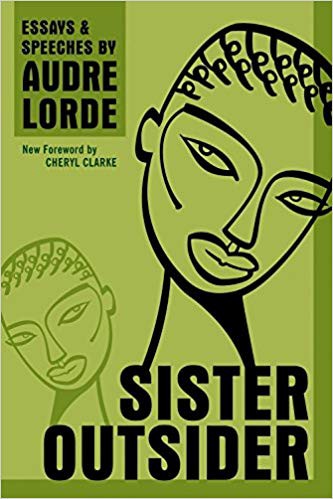
Lorde’s essays and non-fiction

Bio:

Audre Lorde blazed into my consciousness, a star whose light reached my world after she was dead. Only, she’s not dead. Lorde lives in her resounding words; lives in her multiple consciousnesses as a “black, lesbian, mother, warrior, poet”; lives as an embodiment of unflinching personal and political courage.

My first approach to her was slant — the final line Ta-Nehisi Coates’ “Acting French” in which he declared “Sometimes you do need the master’s tools to dismantle his house.” I scribbled it down, the pearl amidst the sludge of half-developed ideas.

Months later, when I realise he’d cribbed Lorde’s “the master’s tools will never dismantle the master’s house” I was ashamed of my ignorance, ashamed I had accidentally attributed to a man the words of a wiser and more powerful woman. I was angry, too. He should have acknowledged her, not assumed (or pretended to assume) that a white audience would recognise the words of a black, lesbian, mother, warrior, poet.

It’s the kind of slight (mine, his) that Lorde knew all too well. The kind of diminishing by accident or design that she wrote about with immaculate precision and righteous anger.

Lorde knew all about injustice but never let herself accept or become accustomed to it. This shines in her writing and the boldness of her life. She refused categories, as an artist or a human being. She married a (white) man, had two children, left her marriage and had a long-term partnership with a (white) woman. Her poetry can be excoriating, her prose comforting, her voice demanding.

What remains, along with her words, is the sense that she was a whole woman — undivided from herself, despite the complexities that other, less aware (less courageous?) people compartmentalize. Humming like a live wire through her work is this message: live your life, as yourself.

Image for post
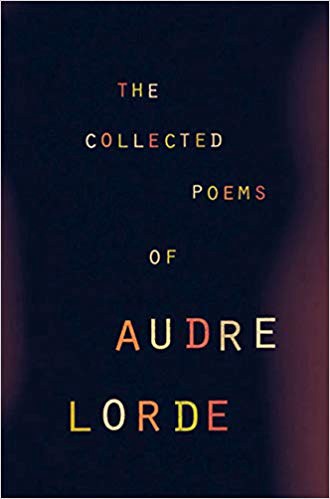
Lorde’s poems

In her own words:

“Those of us who stand outside the circle of this society’s definition of acceptable women; those of us who have been forged in the crucibles of difference — those of us who are poor, who are lesbians, who are Black, who are older — know that survival is not an academic skill. It is learning how to stand alone, unpopular and sometimes reviled, and how to make common cause with those others identified as outside the structures in order to define and seek a world in which we can all flourish. It is learning how to take our differences and make them strengths. For the master’s tools will never dismantle the master’s house. They may allow us temporarily to beat him at his own game, but they will never enable us to bring about genuine change. And this fact is only threatening to those women who still define the master’s house as their only source of support.” — “The Master’s Tools Will Never Dismantle the Master’s House”

“A policeman who shot down a ten year old in Queens
stood over the boy with his cop shoes in childish blood
and a voice said “Die you little motherfucker” and
there are tapes to prove it. At his trial
this policeman said in his own defense
“I didn’t notice the size nor nothing else
only the color”. And
there are tapes to prove that, too.

Today that 37 year old white man
with 13 years of police forcing
was set free
by eleven white men who said they were satisfied
justice had been done”
– from “Power

“The quality of light by which we scrutinize our lives has direct bearing upon the product which we live, and upon the changes we hope to bring about in those lives… As we learn to bear the intimacy of scrutiny and to flourish within it, as we learn to use the products of that scrutiny for power within our living, those fears which rule our lives and form our silences begin to lose their control over us.” — from Sister Outsider

“I have been woman
for a long time
beware my smile
I am treacherous with old magic
and the noon’s new fury
with all your wide futures
promised
I am
woman
and not white.
– from “A Woman Speaks”

Further reading:

The Collected Poems of Audre Lorde
Sister Outsider: Essays and Speeches
The Cancer Journals

35 – Is Marrying Absurd?

An unpublished essay.

Photo: CW

The night before our wedding my fiance and I sat bed with glasses of wine and I read aloud Joan Didion’s essay ‘Marrying Absurd’. I am always rapt by her diamond-cutter prose. Chris was not. He stared at me in the silence after the final sentences, wide eyes asking: What are you trying to say?

“Another round of pink champagne, this time not on the house, and the bride began to cry. ‘It was just as nice,’ she sobbed, ‘as I hoped and dreamed it would be.'”

His wide, wary eyes signaled perfect comprehension. He knew I was using Didion to ask the question I couldn’t. Are we doing the right thing?

On our first date we went to a Mexican restaurant with orange walls, purple tables, and a crowd of drunk Santas in running shoes. We both ordered vegan mole, looked at each other and said, “You too?” Two margaritas on the rocks, salt for me. My body was strange. No crackle-and-static of attraction but expansive euphoria, as if every electron in my blood had leapt an orbital, opening me from the inside out. I’d never seen such eyes: a coruscating handful of sapphire chips.

I lived in Spain at the time; he lived in Memphis. For the next few months we found ways to meet in London, Manchester, Brussels, and Rome. We hoarded time together, constructed intimacy from daubs of conversation and torrents of text. At the end of the year, inevitable as a rock rolling down a cliff, I moved to Memphis. One night we sat in bed, where we conduct most of our powwows. He was adding me to his car insurance. When it came to the Relationship blank he looked up: “Fiancee?”

Sure, I said, why not.

A couple of weeks later, for my birthday, we rented a cabin in Arkansas. It was too cold to sit on the porch swing and watch the stars blaze so we sat on padded vinyl dining room chairs to eat rice and beans washed down with red wine.

“Are we really going to get married?” I asked.

“Do you want to?”

“Yes.”

“Good.”

Why marry? We don’t want children and I won’t take his name. Our bank accounts and tax returns will stay separate. We don’t believe in God, monogamy, or the sanctity of marriage.

Yet by our second date I wanted to marry him. Not just be with him. Not just be his girlfriend/partner/significant other. I wanted to be his wife, with all the weight that word carries; wanted him to be my husband. Not because those words are a talisman against conflict or even heartbreak – everyone knows they aren’t – but because marriage (however devalued, degraded, or deflated) is our culture’s apotheosis of commitment. Like the Supreme Court, it is fluid and fallible, but still the last word.

Wanting to be married, though, and marrying are as different as climbing the ladder to the high dive and jumping off.

Photo: CW

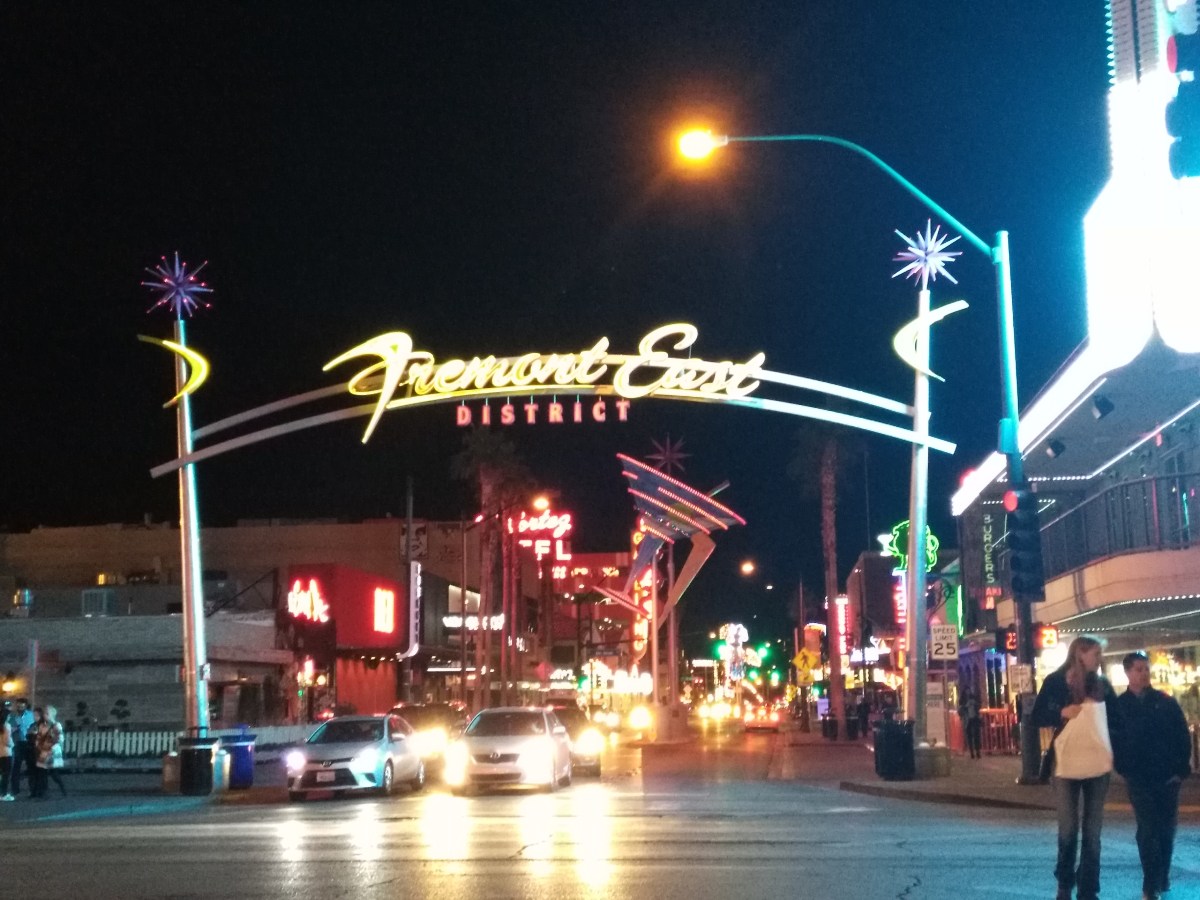
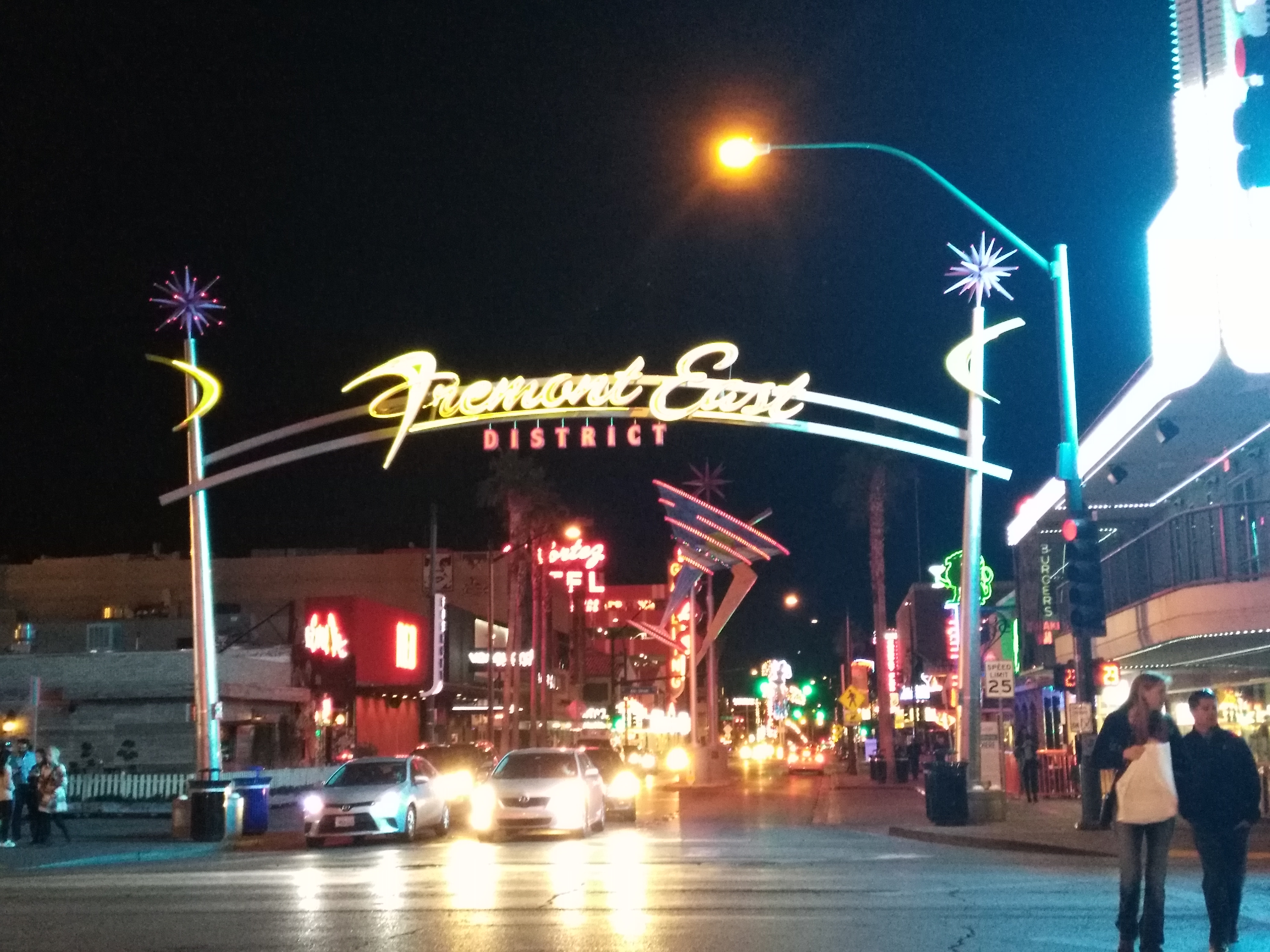
Chris and I were in down town Las Vegas just after Christmas. We drove past wedding chapels that caught Didion’s gimlet eye fifty years ago, parked in a cavernous underground lot, surfaced at Best Buy and wove through steel drummers, midget Elvis impersonators, and bikini-clad girls dancing away the cold on Fremont East. “We could get married in Vegas,” we teased, testing each other. Instead, we found a Mexican bar and drank jalapeno margaritas. Not wanting to marry in Vegas had something to do with the vision of Joan dancing in my head. But she wasn’t writing about Las Vegas eo ipso. It was journalistic shorthand for dangerous impulsiveness, failure of decorum, fractured social mores.

Didion’s specific grievance with Las Vegas was that its wedding chapels were “merchandising ‘niceness,’ the facsimile of proper ritual, to children who do not know how else to find it… how to do it ‘right’.” Inverted commas notwithstanding, she suggests that parents, at least some parents, know how to do it right.

Believing that must help. Children of happy homes can borrow courage. Skin puckering in the chill, toes hooked on the beef-tongue surface of the diving board, they can at least look down on faces that made the leap and emerged smiling.

Those of us with no family account of goodness or goodwill stand alone. Poised on the proverbial edge, we can only count the mistakes, comic and awful. My mother hooked up with my (still married) father while pregnant with another man’s child. Chris’s mom married and divorced three times, one on either side of his dad. In fact, his parents’ marriage was annulled by Papal pronouncement which makes Chris, technically, a bastard. The second time around, his dad went for a straightforward decree from the State of Arkansas. My dad’s second divorce was in Alaska; the first who knows where.

Then there’s our previous marriages. Mine ended with a gentle parting from a friend who happened to be my husband. His came with the sting of surprise: an email with legal papers and a note to say his stuff was in storage.

Nine divorces altogether. Worn notes of anger, betrayal, and disappointment bundled and stashed like junk bonds. We’d be fools to not wonder if we’re being foolish.

And.

Every card Didion played as a damning signifier of what it meant “to be married in Las Vegas, Clark County, Nevada” in 1967 – well – Memphis, Shelby County, Tennessee will see and raise in 2017. Like Vegas, Memphis “demands no premarital blood test nor waiting period before or after the issuance of a marriage license.” Unless the celebrant is 17 or under, in which case Shelby County imposes a three day wait. In other regards this Delta city is as careless in love as any neon-spangled desert oasis.

Photo: CW

Want to cut down on the ten minutes it takes to apply in person? Fill in the online form then collect the license at the county clerk’s office.

Previous marriage, or a few? No problem. Choose a number between one and thirty-one on the drop-down menu. It will ask for the date of your divorce(s) but don’t worry if you don’t remember. Neither clerk nor judge will request any proof of dissolution.

Once you receive a license you have 30 days to marry.

Chris and I took forty-eight hours.

“Dressing rooms, Flowers, Rings, Announcements, Witnessess Available, and Ample Parking,” Didion writes. “All of these services, like most others in Las Vegas… are offered twenty-four hours a day, seven days a week, presumably on the premise that marriage, like craps, is a game to be played when the table seems hot.”

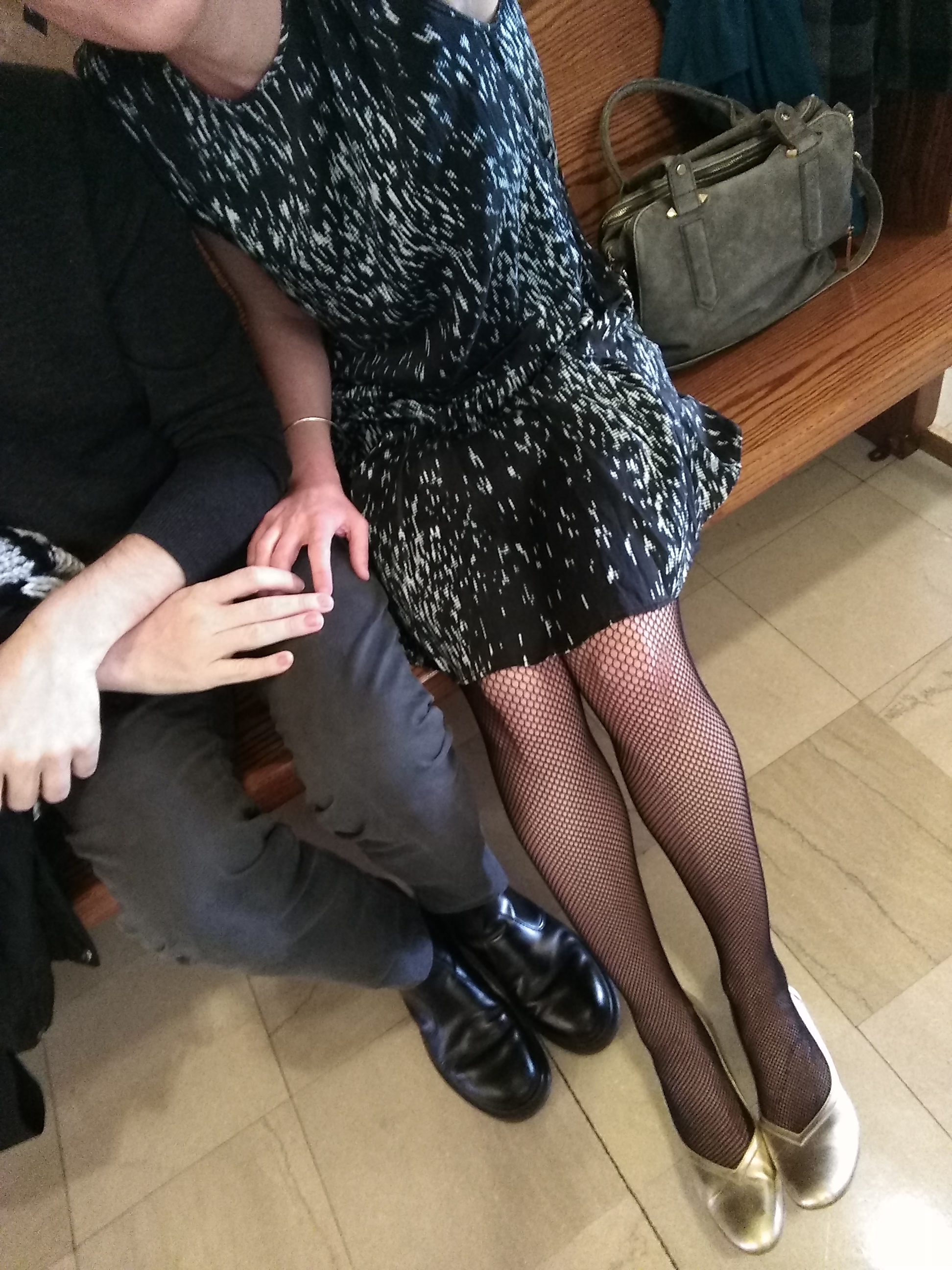
We married at 12:30 on Thursday the 9th in Room 226 of Shelby County Courthouse. Before us went a group that fit Didion’s description of “actual wedding parties… The bride in a veil and white satin pumps.” What would she make of my well-worn silk dress, fishnet stockings and vintage heels? Chris’s charcoal Merino sweater and Doc Martin Chelsea boots?

The judge twinkled and swished in his black satin robe. Potted plants with thick stems and dark, glossy leaves lined the window, tinting the bright, thin February light semitropical green. Beyond, a wind-scrubbed blue sky. I held Chris’s hand, bracing myself for a spasm of doubt that never came. My spine stretched like a tether drawn tight between my buoyant heart and the anchor of his touch. Tears softened the blaze of his cobalt eyes.

My name echoed like foreignly in my ear as I repeated the vows, but my tongue didn’t fumble.

“Will you love, honor and cherish… till death do you part?”

“I will.”

Walking to the car I found a way to hold my handbag so the wind didn’t froth my skirt. There were still forty-five minutes on the meter. “We should do something,” my husband said. So we went to our favorite taco spot for Prosecco and black-eyed pea hummus with corn chips.

‘Marrying Absurd’ appears in Didion’s classic essay collection Slouching Towards Bethlehem. Its eponymous centerpiece opens with this report: “The center was not holding…. Adolescents drifted from city to torn city, sloughing off both the past and the future as snakes shed their skins, children who were never taught and would never now learn the games that had held society together.”

Photo: CW

Chris was born in Arkadelphia and lived in Salt Lake City as a baby. He was raised in Little Rock, branched out to Baltimore, bought and sold houses in Moline, Charlotte and Memphis, all while travelling 200-plus days a year. I lived at dozens of addresses in four countries by the time I was thirty. We live out of suitcases and send mail “care/of”. Movement is a choice, a manifestation of our mistrust in the games that are supposed to hold society together. Marriage is not, appearances notwithstanding, a contradictory choice. We’ve studied and sifted the claims of religion, society, and status quo. We spent long, separate years learning who we are, what we want, and what we are prepared to do. So we can take from ritual as much as has meaning to us, and leave the rest without regret.

Marrying is absurd. So are all acts of courage. For those of us whose accumulated experience of marriage veers from farce to disaster, to marry is to stake a claim to our own lives. Marriage is precious to us because we know how easy it is to fail, to fall apart. For us, to marry is a refusal to be defined by the past. It is a pledge to believe the best of one another. To say we’ll try again, no matter. To love again, love better.

33 – Married Folk Blues

This short story appears in the Erotic Review, where you’ll have to go to read the saucy bits.

Photo by Hannah Dean on Unsplash

Abe remembered as he pulled into the rest area. Too late. Sixteen years of habit die slow. He rested his right palm on the frayed Navajo-style passenger seat-cover, feeling the faint prickle of Geordie’s short, coarse hair trapped in the rough weave. It felt like the spiky-soft tips of grass sprouting on the grave beneath the ash tree.

Killing the engine, Abe shut his eyes. Geordie always smelled like swamp water. For the first weeks Abe was convinced the pup snuck into things: drains, garbage cans, trash heaps. But patient stalking revealed no miscreance. The goofy mutt was just an eventual 97 pounds of slobbering, soft-hearted, small-bladdered stinker. Picked a winner, Hazel would tease.

He was though: loyal, tireless, curious, protective, the folds of his part-boxer, part-hound face arranged in a permanent tragicomic mask that could make Abe smile on the worst days. Of course, Hazel was the one who cared for Geordie weeks at a stretch. He wished he’d been there more.

Dusk was bleeding the day of its heat but remnants splashed Abe’s legs as he crossed to the cafe-slash-convenience store. He went to pee, more out of habit than necessity, then bought a bottle of Dr Pepper and a pack of beef jerky, not admitting to himself that would probably be dinner.

Gnawing a stick of dried meat, he paused short of his truck. Someone had pulled in at a 40 degree angle, the vintage blue Corolla’s bumper almost nuzzling his door. Faded Mississippi plates, long deep scratches above the rear wheel, a palm-sized patch of bare metal on the hatchback, no driver, a jumble of boxes and plastic crates stacked to the ceiling. Someone in a hurry all right. Abe could think of a few reasons why that might be, none of which he wanted to get involved with.

Hazel had laughed at his proclivity for rescuing things: Geordie, abandoned cats (usually pregnant), injured birds, hitch-hikers, drifters. But he was tired. He could climb in the passenger side and go.

“Please, Shooter, come on. Please.”

Click to continue reading

31 – Fake Writing Gurus

This originally appeared on Medium. It’s a subject close to my heart.

There are two kinds of people who give advice to writers: those who want better writing, and those who want payment.

Teachers, from the unsung heroes singing the ABCs with snotty toddlers to college professors hacking through forests of sophomoric prose, are mostly the former.

Once you venture beyond formal education, though, the search for guidance can lead straight into the slough of despond where some self-proclaimed guru will offer you the keys to the kingdom, on an installment plan. There are also wonderful writing teachers who ought to be paid for their time and expertise.

These five questions will help you to avoid hyenas and find legitimate guides —

1. Do non-writers read their books?

This is important because, if you’re going to take writing advice from someone, it might as well be an actual writer. Not someone who has set him/herself up as an expert on the basis of figuring out MailChimp.

When a writer who is read and loved by millions, like Ray Bradbury, E.B. White or Stephen King dispenses writing advice, I’m happy to pay.

2. Do they tell you how much they earn?

The above mentioned writers never, to my knowledge, sent emails to their readers bragging about their income. If a so-called writing guru leads by telling you how much they earn, it’s a con.

Writers can and do earn great salaries as writers. But if a person’s primary income stream is other writers s/he is a huckster, not a writer.

3. Do they promise you a secret formula?

Writers are wishful thinkers, in the best possible way. We wish to understand, report, illuminate, entertain, and above all connect. This fundamental optimism keeps us at the keyboard. It also makes us susceptible to slicks who claim to have discovered a secret to striking rich as a writer.

This prospect is pure mirage — and enticing as an oasis.

If someone really had the secret to endless, effortless cash from freelance writing clients s/he would simply enjoy the income. If the technique were valid and replicable, teaching it would create competition.

4. Do they try to up-sell you?

A writer who earns a comfortable primary income from writing shouldn’t be hustling. I’ve encountered sales pitches ranging from $199 for an online journalism course to $10,000 for one year of “mentoring”.

The give away, whether at the low or high end of the price scale, is the guru’s insistence that this is great value. Two online courses for the price of one! Access to a “community” (as if there aren’t a gazillion free writers forums and Facebook groups)! Cheaper than college! Cheaper than a weekend in Vegas! Only 20 percent of your annual income!

The people most likely to be tempted by dubious expertise are those worst-placed to pay these rates, which makes fake gurus opportunistic dickwads.

5. Do they tell you it’s all in your head?

Without fail, every single fake writing guru will preach some version of “failure is a mindset”.

Never mind that writer’s median income has dropped by 42 percent since 2009, according to the New York Times, and that royalties and advances are down by 30 percent in that period. Or that more than 1,800 newspapers have closed in the U.S. since 2004. Or that magazines like GlamourRedbook, Cooking Light and ComputerWorld ceased print publication in 2018.

Photo by Alex Boyd on Unsplash

PayScale data show only 10 percent of all writers earn more than $83,000 per year, meaning even fewer earn above the much-hyped six figure mark.

Failing to earn scads of money as a writer is not a mindset — it’s a reality.

The only people who tell you it’s all in your head are the ones who are ass-covering for the inevitable moment when you realize that over-priced bottle of secret sauce isn’t going to make you a millionaire.

Where to find the real thing

Don’t despair of getting sound, disinterested writing guidance— and don’t pay through the nose for it.

Sites like Funds for Writers and Freedom with Writing are a great way to learn about contests, publishers and grants.If you want advice on the craft of writing, hit the library or bookshop.


My favorite books on writing include:

  • Zen and the Art of Writing — Ray Bradbury
  • Bird by Bird — Anne Lamott
  • Writing Down the Bones and Wild Mind — Natalie Goldberg
  • On Writing Well — William Zinsser
  • Steering the Craft — Ursula K. LeGuin

For honest first person advice, join a writing group or workshop, or take a class. Some of the best, wisest writers I know work in community colleges or extension programs, for little reward and less recognition, because they want other people to experience the life-altering power of writing.

Seek the positive

Writing should be a source of joy, even if it’s a job.

A writer worth listening to embraces both its struggles and its delights.

“Writing is survival,” Bradbury wrote. “Any art, any good work, of course, is that. …We must take arms each and every day, perhaps knowing that the battle cannot be entirely won, but fight we must, if only a gentle bout. The smallest effort to win means, at the end of each day, a sort of victory.”

28 – The Stowaway’s Secret

In 2009 I took a shot at writing a children’s mystery of the sort I grew up on (Nancy Drew, Trixie Belden, The Hardy Boys, etc). Revisiting it, I was as much in thrall to J.D. Salinger as to Carolyn Keene. It remains unfinished but I’m open to offers 😉

Intro

Benjamin Riddle-Smith wasn’t happy. His summer had started badly, and right now it was sunk deep in the doldrums. I feel like this stupid yacht, he thought, staring across the deck from his lounge chair, stuck here boiling under the sun and never getting anywhere. Benjamin’s face folded down into a deep frown as he remembered the events of the final few days of school, which had cost him his freedom this summer.

Despite their looming eleven-plus exams he and his best friend Tod had been having a jolly time. They were both sport mad, and spent every spare moment climbing, swimming, and playing rugby or tennis. That wasn’t a problem until their housemaster decided on long, boring mandatory study sessions in preparation for their eleven-pluses.

Tod and Benjamin had never seen eye to eye with the headmaster on the subject of studying versus sport, so they shouldn’t have really been surprised when he took a dim view of them sneaking out to play games during library hour. The more Mr. Hawkins watched them, the harder they tried to get around his rules, until one night they executed a daring free climb right up the stone and ivy façade of Ashford House.

Worst of all, they made it cleanly to the second floor, and were only feet from the safety of their shared room when their prank was discovered. They were at the room next door, to be precise, and Thomas Smyth’s shriek of surprise as they tumbled through his open window had woken most of the corridor. Mr. Hawkins would have dearly loved to see the two mischief makers gone for good. But luckily Benjamin’s father Alfred Riddle was an extremely wealthy and persuasive man, and Tod’s nearest relative was his elderly uncle – a close friend of the queen’s.

There had been a lot of fuss about it, but in the end the real punishment didn’t come from grumpy Mr. Hawkins but from Benjamin’s parents who agreed that instead of spending the summer with his mother in Switzerland he would spend it with his father on his yacht, the Icarus. It was a huge, triple deck floating palace, packed with gadgets, and Benjamin enjoyed spending the occasional weekend there. But eight hot weeks? No thanks! Ben loved climbing more than anything. Now, after months of waiting for summer in the Swiss Alps, where he could climb every single day, he couldn’t believe he was stuck baking slowly on deck.

He stood up and shuffled over to the edge of the pool. The water was perfectly still. Peeling off his tee shirt he dove into the pool and started swimming lengths. It wasn’t as much fun as climbing, but he’d been swimming since before he could walk and he liked the steady rhythm of his arms and legs. Plus, his little sister Jasmin couldn’t keep up with him, so the swimming pool was about the only place he could get a minute’s peace.

Chapter One

It never lasted long though. No sooner had Ben gotten back to his cabin, changed, and settled down to tackle the next level of Prince Of Persia than she came running. “Benjamin! Bennnn-ja-miiiin!” Her high-pitched voice carried through the corridors and portholes till it bored right through the door. Benjamin was squinting in concentration, but his thumb slipped and his lifeline fell into the red. With a grunt of irritation he put down his PSP. There wouldn’t have a moment’s peace until he answered Jasmin’s piercing call.

“What?!” he shouted, pulling open his cabin door with a bang, “I’m down here. What is it?” A minute later his seven-year-old sister came flying down the passageway, bare feet slapping like wet towels against the polished surface.

“Daddy says you’re to come up to the third deck, aft, as soon as possible. She-hike Sullyman is visiting and Daddy wants you to come greet him.”

Benjamin let out a very deep sigh. Along with Jasmin he spent his summer holidays with his father. Being called to meet and greet an assortment of politicians, business moguls, and celebrities was inevitable. Since Father had bought Icarus there had been a lot more visitors like Sheik Suliman.

“Honestly,” he said, thinking out loud. “You’d think the Sheik would have seen enough yachts – what with having three of his own – that he wouldn’t need to come and snoop around ours.”

“Come on Benj,” Jasmin whined. “Daddy told me to tell you to hurry up!”

“Ok, ok,” he replied, “just a second.” He saved his game, switched off the PSP, then locked the door and pocketed the key before following the slap-slap-slap of his sister’s footsteps.