On Writing and Mental Health with Anise Eden


Welcome to ‘Between the Lines’ – interviews with teachers, writers and writing teachers on specific aspects of their craft.

Photo courtesy Anise Eden. Copyright OC Photography

Five years ago, author Anise Eden traded the hectic, emotionally demanding life of a mental health social worker in Baltimore, MD for a slower-paced existence in Mallow, County Cork. “The lifestyle here suits me,” she says, a fact evident in her warmth, ready smile and enthusiasm.

The move forced a career adjustment, too, as her US qualifications and role were not transferable. While she navigated retraining and finding a place in the Irish social work system, Eden, who leaned to poetry, began writing prose.

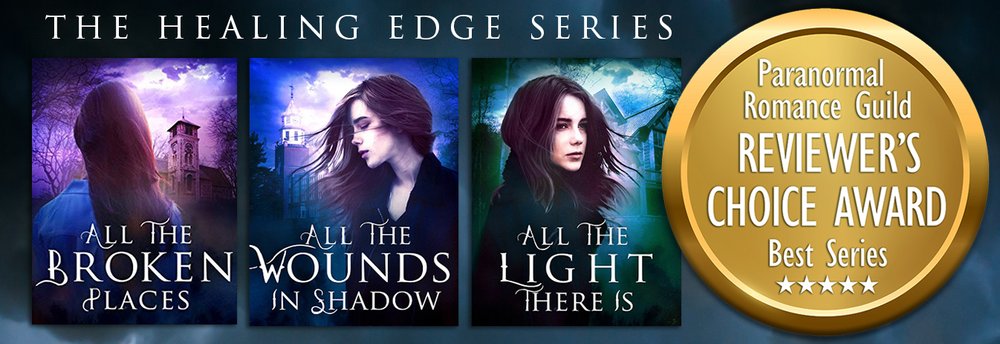
Her debut, The Healing Edge trilogy, won the Paranormal Romance Guild Reviewer’s Choice Award for Best Series.Dead Keen, the second instalment of her second series, The Things Unseen thriller trilogy,is released on 10 August 2023.

The common thread is that all of Eden’s heroines are mental health social workers. “What I’m interested in is exploring the intersections of faith, love, belief and mental health,” she explains, “and how that collides with the real world.”

From the beginning

There were early signs Eden would become a prolific writer: her penchant for “throwing five or six-syllable words I’d heard into a sentence, even though I didn’t know what they meant”; her propensity for drifting through the woods behind her house, making up stories; avid reading. That her work would be driven by caring and curiosity was likewise evident: when developers cleared part of her “sacred” forest, a 10-year-old Eden and her friend shoved sticks into bulldozer treads, hoping to sabotage the operation.

“If I hadn’t had such understanding, loving, accepting parents and teachers I would probably have gotten into a lot of trouble,” she admits. “I was a handful, but a people-pleasing handful.”

Eden was recently diagnosed with ADHD, which “explains a lot of my childhood.” It has also heightened her desire to educate people about mental health and advocate for robust self care and social care.

​Life and flow

In addition to addressing mental health themes in fiction, Eden teaches social workers and researches women’s mental health. She sees these as complimentary endeavours, though admits that juggling them is “constant negotiation. It’s like water flowing into different containers; it goes where it needs to go.”

Wherever the water flows, Eden prioritizes her mental well-being. This should be axiomatic for any writer, any person, but writerly misery is a stubborn tradition. As Hemingway may have said: “There is nothing to writing. All you do is sit down at a typewriter and bleed” (the Hemingway Society explains why he probably didn’t) – and the implication that suffering equals significance has proven hard to shake.

Eden resists this, personally and professionally. Her Mac is unsanguineous. Her home writing space comforts and inspires. “I’m looking out into the back of a house across the way, an empty lot with wildflowers, trees and above that sky,” she reports. “The sky is dramatic in Ireland; there is always something going on with the clouds. On my wall, works of art from friends and pictures of my family; when I need to be inspired I can look over and be reminded there are people who love me.”

In career terms, she ignores unhelpful advice. “Anyone who says, ‘you shouldn’t be doing it if you’re not making money,’ knows nothing about writing and publishing. If I pinned my confidence or motivation on money, that would be sad indeed.”

Eden knows from experience that confidence and motivation are hard, and hard won. Far from being dispirited, she relishes the opportunity to make mental health a focal point. It is part of an ethos of care: care for writing, care for readers and care for writers.
​On writing & mental health

What mental health challenges can writing pose?

It’s a solitary activity. You are the writer, and you have to do the writing. You can collaborate, you can talk about your plot, you can workshop, but ultimately it’s you with your screen, or notebook.

Also, there is no real mechanism for feedback until you get published. There can be years and years of toil before you get feedback. In other creative fields where you have an audience – music, theatre – you can put out pieces, get feedback, adjust; it gives you confidence. With writing there is more lag time between when you start working and when you get feedback. You won’t get people cheering you on. It’s just you. A lot of writers have imposter syndrome as a result. Passion and grit is required to pull through, which can be asking too much. A lot of people don’t start, or don’t continue.

Once you publish, or are in a workshop, it can be difficult to take feedback. What you write is personal; it’s your heart, brain, mind. It can be hard to take the slings and arrows of criticism if you’re not mentally prepared. It takes learning to develop perspective on what you’re hearing.

What types of writing can be particularly challenging?

Not that the stories are autobiographical, but I draw on my emotional experiences. In my last book, Dead Sound, the protagonist is with her ex-boyfriend. She’s having a flashback to the moment they broke up. He hit her in that scene and he’s now gaslighting her, telling her it didn’t happen. And she’s questioning herself. That is something that happened to me, and I wanted to write about it for the readers who might be wondering if they had suffered abuse. In order to do that, I had to revisit those experiences. Reliving something difficult or painful is difficult and painful. I have to have self-care in place for during and after. While writing, I have my dog, my coffee, my music; afterwards I might need to go out.

How has writing affected your mental health?

I didn’t write prose until I was 39. Before that, I wrote poetry, which is very therapeutic. It is a direct line to heart, soul, mind; it pulls everything together. I’d start a poem with a dilemma or problem, and by the end I’d solve it. Poetry was like mini therapy sessions. I stopped writing when I became a therapist. I was putting all my creative energy into helping my clients.

It was during a period of unemployment that I wrote my first novel, which started as a way to answer a question for myself about mental health, and the challenges of the work. For an ADHD person, [writing] is the perfect hobby. You can go on any adventures you want.

What do you make of the trope that depression and misery spur great writing?

[Reading her work] I got the feeling Sylvia Plath would have loved to be mentally healthy. She was someone who would have loved to be happy. She would never have romanticised [her struggles]. It ended in tragedy.

What can trigger mental health difficulties?

A mental health issue arises from a mixture of factors, not just genetics or circumstance. Political factors, economic factors, physical issues, how resilient individuals are based on genetics and upbringing. For writers in particular, how we deal with isolation and criticism are important.

What resources can writers use to protect their mental health?

Having other writers in your friend group is huge. Being a part of a writing program, a workshop, or reaching out to writers on social media can lead to friendships. There was a Facebook group I joined of 10 debut novelists, all our books were coming out the same year. We were going through the same stuff for the first time, at the same time. We could compare notes, kvetch, problem solve. Nobody apart from other writers really knows what it’s like.

One of the things I tell my students in social work, and I would say to writers: we are the tools of our trade. You have to take good care of your tools. If you don’t, your work isn’t going to be great.
Eden recommends

The piece of writing that changed your life before age 18?

Madeleine L’Engle’s A Wrinkle in Time – it was science, philosophy and faith mixed together in a book that was suspenseful and thrilling, that tapped into emotional truths. I wasn’t being patronized or condescended to. I try to do that with my books: include science, philosophy, relationships; I do a lot of research to make sure it’s right.

The piece of writing that changed your life as an adult?

Wally Lamb, She’s Come Undone changed my life for the better. I was a young woman suffering depression, feeling lost, at a loss, which is the situation the heroine finds herself in at the beginning of the book. Several things [in it] helped me. One was feeling seen in a positive way: the character’s mental health struggles are not stigmatized or romanticized. There was also seeing her recover, seeing there was a point of feeling better.

A classic you could read over and over?

Catch-22 by Joseph Heller. It’s hilarious. It’s insightful. What can I say? It’s reality. With our changing world, it is more and more relevant.

A contemporary book you wish you’d written?

Outlander by Diana Gabaldon. The poetry of it is so unexpected, in a way that only poetry can be. It’s like reading a novel that’s a poem, and a poem that’s a novel. And the love story is massively compelling. The characters are so real and complex that they can carry an incredibly complicated story line.

A book about writing you recommend?

I Give you my Body…”: How I Write Sex Scenes by Diana Gabaldon. I don’t even write sex scenes, but she gives fantastic advice in general.

Who would you cast as the lead if your forthcoming novel, Dead Keen, were filmed?

Katherine Langford as [the protagonist] Neve. For the main male character, Con, Jason O’Mara; it is important to have an Irish actor.

What’s next?

The 10 August launch of Dead Keen. My writing group, the Mallow Scribes, is going to do a dramatic reading. We’ve been rehearsing for weeks.

Connect

On Hyperlexia

Photo by Josh Applegate on Unsplash

Among the notable words I learned in 2022 was hyperlexia. Burrowing into articles about autism, the term popped up. Hyper = excessive, lexia = related to words. That rung a bell, personally and professionally.

Defining hyperlexia

In 1997, Aram described hyperlexia as, “the developmental disorder in which children decode words early but have significant impairments in aural and reading comprehension”.

Nation (1999) defined it as, “advanced word-recognition skills in individuals who otherwise have pronounced cognitive, social, and linguistic handicaps.”

Four years later, a meta-study by Grigorenko, Klin and Volkmar (2003) concluded “that hyperlexia is a superability demonstrated by a very specific group of individuals with developmental disorders.”

A few years further along, the definition had grown more nuanced: Ostrolenk et al. (2017) wrote that it is, “the co-occurrence of advanced reading skills relative to comprehension skills or general intelligence, the early acquisition of reading skills without explicit teaching, and a strong orientation toward written material, generally in the context of a neurodevelopmental disorder.”

The final clause of that last sentence is significant to the discussion/debate around hyperlexia, which has been running since the mid-20th century. Is it a disability or, as Grigorenko et al. argue, a ‘superability’?

Hyperlexia and developmental disabilities

The answer starts with statistics. Ostrolenk et al. (2017) found that 84% of hyperlexic subjects were autistic.

This does not mean there is a direct correlation between autism spectrum disorder (ASD) and hyperlexia. In a 2021 study by Solazzo et al., “9% children with ASD showed early hyperlexic traits”.

So, while autistic individuals are not necessarily hyperlexic, there is a good chance that hyperlexic individuals are autistic.

This makes hyperlexia a significant issue for teachers, especially those who teach gifted students. Arguably, especially those who teach gifted girls.

Risks of hyperlexia

In Aspergirls (2010), Rudy Simone writes, “this early ability to read and comprehend above our years (hyperlexia) gives some young Aspergirls an air of intellectual maturity that tricks people into thinking we possess emotional maturity as well. It also hides autism by shielding our deficits.”

Conventional education is built on a foundation of reading and writing. This fundamental bent of our educational system privileges students who appear to read effortlessly and above-grade-level.

As a teacher, it is natural enough to be wowed when a student sets down their book 10 minutes into an assigned reading period and says: “I’m done. What do I do now?”

Since we associate literary skills with intelligence and competence, it is tempting to stereotype precocious readers as super-competent or super-smart.

It takes discipline to stop and ask ourselves: “What is this student really absorbing? What needs might this apparent super-competence be masking?”

Knowing that north of 80% of hyperlexic kids are on the autism spectrum, we need to treat hyperlexia as seriously as we would treat dyslexia. Otherwise, we risk overlooking significant intellectual, developmental and social-emotional needs.

What hyperlexia is not

  1. Key to academic success
  2. Proof a student has it all figured out
  3. Sign of high executive function
  4. Substitute for social and emotional skills

Let’s look at these one by one

Academic success

According to Zhang and Malatesha Joshi (2019), “originally the term ‘hyperlexia’ only referred to those readers with low IQ but precocious decoding skills”. Though, as we’ve seen, the definition has become more nuanced with time and research, the significant fact of hyperlexia is that it is out of sync with the child’s other capacities.

Whipping through a textbook chapter or an assigned story is an accomplishment, but it doesn’t mean the student is equally precocious in other areas. Hyperlexia should be treated as a sign that a student potentially needs more, not less, general academic support.

Proof a student has it all figured out

Rapid reading does not mean improved comprehension. In 2010, Castles et al. published research that found “clear evidence of a dissociation between reading accuracy and comprehension of the same set of irregular words in hyperlexia.”

In the classroom, I’ve witnessed students who read with astonishing speed and fluency but struggle to offer a simple summary of what they’ve just read. Their decoding is phenomenal, but they are not grasping the significance of the words they skim so easily.

It is vital that teachers do explicit work on comprehension (including explicit and implicit details, descriptions, inference, word choice, etc.) with hyperlexic students, not assume, they read it = they got it.

Sign of high executive function

Author Cynthia Kim was diagnosed with Asperger’s (now formally included under ASD) in her early 40s. In her 2014 book, Nerdy, Shy, and Socially Inappropriate, she reflects on her schooldays:

“Doubly-exceptional children have an advantage in their intelligence.

Unfortunately, part of this advantage is that we can mask a big portion of our disability with coping strategies and adaptations. And when we fail to hide something, people assume we’re not trying hard enough. Or we’re being deliberately obstinate. Or that we’re lazy, defiant, insolent, shy, ditzy, or scatterbrained.

‘What’s wrong with you?’ they ask incredulously. ‘You can memorize the batting averages of the entire Major League, but you can’t remember to put your homework in your backpack?'”

Research shows up to 80% of people with autism have executive function difficulties. Again, as educators, we need to avoid the category error of assuming that a hyperlexic student will be as quick in other aspects of their life and studies. Rather, we should be alert to the fact it’s likely the opposite: hyperlexia means greater likelihood of executive function challenges.

Substitute for social and emotional skills

Being able to read texts about sophisticated social and emotional realities does not equal understanding or being able to navigate those realities.

“Difficulty with communication and interaction with other people” is a core diagnostic criterion for autism (Diagnostic and Statistical Manual of Mental Disorders, cited by the National Institute of Mental Health).

Precocious reading is more likely to be a refuge than an aid to an autistic child. Books are safe, comforting and non-judgmental. They have predictable narrative arcs. They are readily available and don’t demand emotional reciprocity.

Photo by Adam Winger on Unsplash

Books are marvellous, natch, but as teachers we have a responsibility to support students’ holistic development. That means supporting social and emotional skills through appropriate collaborative or group activities, encouraging them in discussions, and not singling them out for their hyperlexia.

Ideally, we help our hyperlexic students leverage this strength to support weaker areas without making too much or too little of it.

Every student has unique capacities. We need to be aware of the blind spots in our educational system, and ourselves, to ensure these develop in full, and avoid privileging specific (dis/super)abilities that fit our narrow definitions of what is useful or laudable.

What is your experience with hyperlexic students? Questions? Comments?

On ADHD and Exercise

Photo by Markus Spiske on Unsplash

When I was 12 or 13, an older girl at my school taught me to run.

Like any kid, I was familiar with the concept of moving my feet faster when being chased, but she taught me to run with intent, to pick up my knees and let my body slope on uphills, to relax on the downhills, to keep my elbows light and my shoulders back.

Like the givers of most priceless gift, she never got a proper thanks. Thinking of it now, I’m touched and amazed a 15-year-old took the time to hang out with a chubby, socially awkward new kid.

Exercise is more than just a ‘good to have’ — especially for students who struggle. Depression, anxiety, body image issues and low self-esteem are just a few of the struggles running has helped me manage.

It didn’t surprise me, then, when I started reading about the effect of exercise on attention–deficit/hyperactivity disorder (ADHD). My assumption was that ADHD, like so many other physical and mental health challenges, would respond positively to exercise.

Research overwhelmingly bears this out.

Studies on ADHD and Exercise

Silva et al. (2015), who found that “groups of volunteers with ADHD who performed exercise (GE-EF) showed improved performance for the tasks that require attention with a difference of 30.52% compared with the volunteers with ADHD who did not perform the exercise (GE). The (GE-EF) group showed similar performance (2.5% difference) with the volunteers in the (GC) group who have no ADHD symptoms and did not exercise. This study shows that intense exercise can improve the attention of children with ADHD and may help their school performance.”

Haffner et al. (2006) studied yoga as a treatment for children with ADHD: “All children showed sizable reductions in symptoms over time, and at the end of the study, the group means for the ADHD scales did not differ significantly from those for a representative control group.”

Systematic literature reviews

Ng et al. (2017) conducted a review of 30 studies of exercise and ADHD found, “Both short-term and long-term studies support the clinical benefits of physical activity for individuals with ADHD. Cognitive, behavioural and physical symptoms of ADHD were alleviated in most instances… Physical activity, in particular moderate-to-intense aerobic exercise, is a beneficial and well-tolerated intervention for children and adolescents with ADHD.”

Den Heijer et al. (2017) reviewed 29 studies and reported, “the reviewed studies describe acute as well as chronic beneficial effects of cardio exercise on a wide variety of cognitive and behavioral functions in children with ADHD.” For example: “Sibley and Etnier (2003) observed acute as well as chronic effects of various cardio and non-cardio exercises on perceptual skills, intelligence, academic achievement, developmental level and performance on verbal and mathematic tests in children and adolescents (4–18 years). Furthermore, improvements of executive functions of children have been demonstrated following cardio exercise (Best 2010).”

Furthermore, a literature review of 91 studies (Suchert, Hanewinkel, Isensee, 2015) found, “strong evidence that high levels of screen time were associated with more hyperactivity/inattention problems”.

Photo by Rachel on Unsplash

How to Promote Active Education

This should be of particular concern to those of us educators who teach online. For all the benefits and conveniences remote learning offers, we should bear in mind the potential negative effects.

Is it ever fair to ask a child to sit still for six to eight hours a day? No.

But at least in physical schools there are halls to run in, playgrounds, a gym, a playing field. Online schooling asks a lot of kids, in terms of attention, and paradoxically the screen we rely on might make ADHD symptoms worse.

As online teachers, we have a limited influence on students’ activities once they log out of our classroom. This means we need to work with parents and make the most of online opportunities to support student activity. Here’s how that might look:

1. Inform and engage parents

All students benefit from physical activity, so the message should go to all parents. Teachers and administrators can communicate the benefits of sports and exercise through routine conversations, newsletters, blog posts, etc.

Educators should ask what sports students do and offer flexibility for training and competitions. If a kid has to miss class for a clinic, or to travel to a match, we should support that. It is a simple, practical way to commit to holistic wellness and development.

2. Make ‘movement moments’

There are plenty of exercises that can be done in front of a computer. Take a minute at the beginning or end of class to lead students in a yoga pose, do a dozen star jumps (jumping jacks, to my Stateside friends), throw a few jabs or march in place. The kids might think it’s weird at first, but they’re bound to appreciate the chance to bounce around.

3. Talk about exercise and mind-body wellness

Share your positive experiences with exercise (and if you don’t have any, please make time to cultivate some). With younger students you can make straightforward recommendations like, If you’re having trouble concentrating, try running up and down the garden really fast 10 times then go back to your homework. Older students will be able to understand and discuss in greater depth the benefits of exercise and strategize about how to include it in their daily routines.

4. Create opportunities for student sharing and leadership

Be a good example, but don’t hog the floor. Invite students who play sports to give presentations about them, or share their experiences of learning a new physical skill. Ask for volunteers to lead in-class ‘movement minutes’. Encourage students to keep exercise diaries or step counts — you could even make a chart where they can post their weekly totals!

5. Be positive, not preachy

Tone matters. Exercise can easily feel like another demand to over-taxed students. Kids with ADHD are likely more impulsive, more emotional, less able to maintain healthy routines; adding another weight to their shoulders isn’t a kindness, so don’t preach. Model positive wellness behaviors; verbally support students; encourage parents to prioritize physical activity; praise success; praise mistakes. When exercise is a low-risk, fun, habitual activity we all win.

How do you encourage kids to stay active? Share in the comments or Tweet @CilaWarncke

10 Sex Affirmative Books for English Language Arts

Following on from my previous post on the importance of affirmative sex education, here are 10 books English Language Arts teachers can reach for to open conversations about love, relationships, gender and sexuality.

These works were chosen because they treat sex with the openness, thoughtfulness, honesty and sensitivity it merits.

Photo by CHUTTERSNAP on Unsplash

Letters to a Young Poet by Rainer Maria Rilke

This brief, moving book touches an many aspects of life: education, self-discovery, solitude, family relationships, etc. but Rilke’s comments about love and sex shine. Don’t be satisfied with conventional definitions of what a relationship ‘should’ look like, he advises. Instead, seek to develop yourself as an individual so you can truly respect and cherish the individuality of another person. It is humane, wise, timely wisdom framed in sublime prose.

Get it here

Frankly In Love by David Yoon

This YA novel centers on Frank Li, the teenage son of Korean immigrants, who finds himself trying to navigate the challenges of new love while wrestling with contradictory cultural expectations. Fast, good-humored and, well, frank, it highlights the importance of being honest with oneself and others — in life and in love.

Get it here

Cool for the Summer by Dahlia Adler

With a nod to Demi Lovato, this novel explores how issues of class and privilege complicate the already complicated issues of love and sexual identity. Are Lara and Jasmine really falling in love, or are they just cool for the summer? And what happens if Lara chases the hunky Chase…? A touch frothy, but heartfelt and affirmative of love, wherever one finds it.

Get it here

Lawn Boy by Jonathan Evison

This Bildungsroman set in a well-to-do Pacific Northwest community hit home with me (though the community I grew up in wasn’t quite so well-to-do). In addition to being a welcome, thoughtful discussion of class, poverty and family tension, it has a romantic twist that is sure to get students talking.

Get it here

A Tree Grows in Brooklyn by Betty Smith

Smith’s beloved coming-of-age tale set in early 20th century Brooklyn is refreshingly forthright about sex. It handles both positive and negative aspects of love and sexuality (including an attempted sexual assault) with a calm directness that can set the tone for open, non-judgmental classroom conversations.

Get it here

Giovanni’s Room by James Baldwin

Baldwin is perhaps my favorite writer on sex; certainly, the rare (American) author who understands and treats sex as the physical act of love. This short novel is appropriate for older teenagers, say 16-18, and explores the tragic consequences of prioritising social conventions over human relationships. To paraphrase Baldwin, the protagonist’s problem isn’t his homosexuality, it’s that his capacity for love has been crippled by his anxiety about what people might think.

Get it here

Genderqueer: A Memoir by Maia Kobabe

Contemporary writers are creating a robust canon of books about gender identity and nonconformity. I love this graphic memoir for its matter-of-fact tone and authenticity. It highlights that gender identity is fluid and finding one’s path isn’t necessarily a linear journey — nor does it need to be.

Get it here

Persepolis 2: The Story of a Return by Marjane Satrapi

Lest you get the wrong impression about the back-to-back graphic memoir recommendations, let me quote one of my students when asked if he liked graphic texts: ‘No!’

He and I share the view that other people’s pictures get in the way of the (superior) moving pictures in our heads.

That notwithstanding, Persepolis 2 is an evocative, eye-level portrait of Satrapi’s struggles with language, culture, love and sexuality after she moved from Iran to Germany. This is a particularly strong choice for children who have immigrated or come from a cultural/familial context that distinguishes them from their classmates.

Get it here

Zenobia July by Lisa Bunker

For younger readers, this is a charming, uplifting novel about a trans girl coming into her own. Details like Zenobia stressing out about which restroom to use add verisimilitude and the plot touches on vital issues like deadnaming, cyberbullying and the importance of community without ever feeling preachy.

Get it here

When I Grow Up I Want to Be a List of Further Possibilities by Chen Chen

Sometimes, I read a book and think, wow, that was brilliant.

Sometimes, I read a book and think, wow, that was brilliant and I really want to be friends with the author.

When I Grow Up… is in the latter category. His poems about growing up as the child of immigrants, cultural tension, sexual identity, homophobia and the search for love are surpassingly deft, raw, funny, tragic, playful and defiant. They also communicate (don’t ask me how) a deep, fundamental good-personness. In a perfect parallel universe, Chen and I would go for drinks.

Get it here

What texts would you add to a literary discussion of love, gender and sexuality? Share in the comments or Tweet @CilaWarncke

Let’s Talk About Sex Education

Photo by Gaelle Marcel on Unsplash

Last year, for the first time, I taught about gender and sexuality in literature. My kneejerk reaction was, I can’t talk about sex to teenagers. Arrggh!

On reflection, this reaction had everything to do with my hangups (to use a good old-fashioned word) and nothing to do with my students’ needs.

This is a common problem in sex education, with the current brouhaha in the United Kingdom serving as an example.

British prime minister Rishi Sunak has, according to the Guardian, “asked the Department for Education to “ensure schools are not teaching inappropriate or contested content” in the subject of relationships, sex and health education… Sunak confirmed the review… after a Tory MP, Miriam Cates, said children were being exposed to sex education classes that were “age-inappropriate, extreme, sexualising and inaccurate”.”

Numerous Tory MPs are on board, one of their complaints being that young people are being taught about oral sex — a classic case of adult prudishness being prioritized over teen well-being.

Chambers et al. (2004) is quoted by Leung et al., 2019 saying Britain’s “value-led approach [to sex education] merely reflects the interests and principles of stakeholders, while overlooking the actual needs and wellbeing of youths.”

Sex ed in the internet age

Does anyone with two brain cells to rub together think not discussing oral sex, or any other sexual act, proclivity or topic, is going to prevent kids from knowing what it is, discussing it, watching it and even doing it?

Children are handed internet-connected screen devices almost as soon as their chubby baby fingers can hold them, in many cases.

Statista data show that 58% of British children own a smartphone by age 8; by age 12, that jumps to 93%. You can bet the farm they aren’t just using it to watch Sesame Street.

Sexuality isn’t a switch that flips at puberty. Sexual behaviors and curiosity are apparent in early childhood.

This might make grown-ups uncomfortable, but our discomfort isn’t useful. Parents and teachers have a duty to help kids navigate this vital part of life.

If we don’t step up, the internet will.

Student needs versus teacher discomfort

In an op-ed, 25-year-old journalist and editor Sasha Mistlan writes (re: Andrew Tate and the importance of proactive sex education): “My friends and I didn’t get any proper education about sex, consent or relationships until we were 13, by which time we had learned it all from internet porn and lads’ mags.”

How can educators ignore this need?

I am a literature teacher; the biology of the birds and bees are beyond my remit. But it isn’t the birds and bees that students need to know about.

They need models of relationships and ways of relating that affirm sexuality as an important (but not overwhelming), natural part of adult life, and of sex as a source of joy and connection. They need love stories with happy endings. They need, also, stories that are unhappy or ambiguous; stories that show mistakes and heartbreaks as a navigable part of human sexual experience, not reasons to drink poison.

However awkward I may feel, students need a safe space for curiosity and discussion. Because lord only knows, they are talking about sex outside the classroom.

Sex positive education

Does the phrase ‘sex positive education’ make you a little uncomfortable?

It does me.

But what does the alternative imply? Sex negative education doesn’t prevent young people from having sex.

Data from the worryingly puritanical United States show that even students who promise to abstain from premarital sex… don’t.

Research published by the American Academy of Pediatrics peer-reviewed journal Pediatrics found: “Five years after the pledge [to abstain from sex], 82% of pledgers denied having ever pledged. Pledgers and matched nonpledgers did not differ in premarital sex, sexually transmitted diseases, and anal and oral sex variables. Pledgers… did not differ in lifetime sexual partners and age of first sex. Fewer pledgers than matched nonpledgers used birth control and condoms.”

Scaring teenagers away from sex has never worked; ignoring sex in the hope teenagers won’t notice it is ludicrous.

The best, bravest, least-comfortable option is to say: hey, sex is a huge part of life, however whenever wherever and with whomever you do it (or don’t), and it can be one of the most joyous parts of life, or one of the most damaging. Let’s talk about how to make it joyful, empowering, pleasurable, safe and beautiful.

Affirmative literature

As a literature teacher, I can do my part by teaching texts that articulate the delights and challenges of sexuality and sexual identity, and working with my colleagues in health, science and psychology to create a safe, affirmative atmosphere for conversations about love, sex and gender.

This requires making careful choices about what my students read. Many of the canonical ‘love stories’ of European literature are anything but — think Wuthering Heights or Romeo and Juliet where ‘love’ and violence are inextricably mixed.

The search for affirmative literature requires looking beyond the cano and seeking stories that reflect a variety of experiences, cultures, orientations and gender identities.

Next week, I’ll share a list of powerful literature that treats sex with the openness, thoughtfulness, honesty and sensitivity it merits.

Suggest your favorite teen-appropriate, sex-affirmative story, poem or film in the comments or Tweet @CilaWarncke

You Don’t Have to Be Crazy to Study Humanities But…

Photo by Blaz Photo on Unsplash

While I cherish the idea of autonomy, life experience and research argue persuasively that my choices are (while still choices) rooted in the bedrock of where I was born, to whom, how I was raised and what it took to get away from all that.

University majors and mental health

“Students who study humanities, social work and counselling were more likely to report childhood adversities, which are strongly associated with poor mental health” according to McLafferty et al. (2022) in the study ‘Variations in psychological disorders, suicidality, and help-seeking behaviour among college students from different academic disciplines‘.

The authors’ findings are not unique: “A large, cross-sectional study spanning 81 American universities found that students studying art and design presented with the highest rates of mental illness. Almost 45% of art and design students reported at least one disorder, followed closely by humanities (39%). Art and humanities students also had the highest rates of suicidal ideation and over one fifth of students from these disciplines reported having engaged in self-injury” (McLafferty et al., 2022).

This seems entirely plausible.

Unfortunately, it also seems like the sort of thing that could be weaponized against already beleaguered arts and humanities courses and practitioners. Touchy-feely BS for people who can’t hack a real job, etc.

McLafferty et al. (2022) note: “Disciplines demonstrating the lowest rates of mental illness included engineering (31%), public health (28%) nursing (28%) and business (27%). Likewise, a recent study conducted reported that students from arts and humanities, social work, and behavioural, and social sciences, were more likely to report emotional and substance use disorders in comparison to their peers from business or engineering disciplines.”

The bottom line

Observed through a certain lens, this suggests that pragmatic, socially desirable subjects attract composed, socially desirable students; with the obvious, if unarticulated, corollary that arts and humanities are for damaged bohemian types who can’t hold it together long enough to learn quadratic equations, or whatever.

I can see why people might think that, and perhaps they’d be right.

Numerous studies find a strong correlation between parental socioeconomic status (SES) and their children’s academic achievement (Saifi & Mahmood, 2011; Azhar et al., 2014; Lam, 2014, etc.)

Academic disciplines such as engineering and health sciences are resource intensive. Ideally, students will have access to high quality labs and IT equipment from primary school onwards. Ideally, they will also have personal tech — laptops, tablets, etc. — that facilitates connection and learning.

Students from families lower on the socioeconomic scale are less likely to have personal technology, reliable home internet, and so forth. They are also more likely to go to underfunded schools where resources are limited.

When I was in school in the 1990s we were lucky to have Bunsen burners and space to mix hydrogen peroxide and baking soda; my teachers wrote exam questions on the board because the school couldn’t afford Xerox paper. My family could stretch to the graphing calculator required for advanced math classes, but I wouldn’t get my first laptop until 1999.

What I did have access to was books. One thing the United States is blessed with an abundance of is libraries (cheers, Mr Carnegie, I’ll try not to think too hard about how you made your money). Even my home town, pop. 4800, had a substantial, well-stocked library with plenty of cozy reading spaces, stacks of periodicals and regular free activities. It was my refuge, my favorite place, a source of endless bounty.

Having a predilection for reading and writing, I also had a space where these were valued and supported. If I’d had a predilection for trigonometry or building radio cars, there would have been no such space or support.

Steered by circumstances

The Covid-19 pandemic threw learning inequalities into sharp relief: “Children from families with a low SES are less likely to have access to remote learning (UNESCO, 2021), are less often provided with active learning assistance from their schools (Tomasik et al., 2020), and spend less time on learning (Meeter, 2021) than children from families with a high SES. Moreover, parents with a high SES are more likely to provide greater psychological support for their children (OECD, 2019),” reported Hammerstein et al. (2021).

Take an imaginative leap with me: A fourth or fifth grader has a nascent knack for programming. But they don’t have a computer at home, or they do, but share it with several family members and they can only afford a cheap, shaky internet connection. During the pandemic, this kid was out of school for 12, 18, 24 months, with minimal access to educators or learning materials.

They are fortunate that their fascination with the logic of computer language applies to English too. They do still have access to books and reading materials, and they’re sharp enough to learn to craft a strong essay or article by imitation.

They get back to school and the language arts teacher notices their progress, encourages them, makes sure they have access to the school library, gives them extra feedback on their writing.

Meanwhile, they’ve dropped behind their well-to-do peers in IT, simply because they haven’t had the tools or training. The IT teacher, like the language arts teacher, focuses their attention on the strongest students and fails to notice the lost potential of this particular kid.

Naturally, the skillset that gets the most care and attention is the one that flourishes. By the time university rolls around, this student is poised for success in the humanities, perhaps never to realize how financial circumstances subtly but ineluctably shaped their academic trajectory.

Self-fulfilling prophecies

It takes courage and gusto to believe in one’s weaknesses. In my head, I’m terrible at maths and mediocre at science (until math gets involved, then I’m terrible at that too).

This self-perception solidified to fact in my head over years, following the switch from a pre-med track to English Literature in my second year of university. It was wrenching to give up on a long-held goal, but the hard reality was all my English and History professors were encouraging me to major in one or the other, and I was barely scraping by in science.

Telling myself I “couldn’t” hack the math and science was a self-soothing mechanism. However, like many palliatives, it may not have been entirely benign.

I took Algebra I and II, trigonometry and statistics, geometry, and calculus in high school: straight As (though seasoned with tears of frustration); I also took general science, chemistry, physics and biology: A, A, A and A. This rather complicates the “couldn’t” narrative. Sure, I’ve forgotten it all now, but I did learn it — even excelled — at secondary school.

What broke me was the leap to university level, where chemistry became calculus and physics became flat-out terrifying.

If I’d had access to more challenging high school courses, would I have stayed on the pre-med track?

If I’d had greater self-confidence…?

If I’d been aware of the help available…?

The right decision for the wrong reasons

Am I happier as a writer and educator than I would have been as a cog in the moribund US healthcare system? No doubt.

But I wish I’d made that decision from a position of self-confidence and clarity, not an overwhelming fear of failure.

  • When you grow up poor and see an escape route, you really, really don’t want to miss out.
  • When you feel excluded because of how you dress, where you live, what you can’t afford, you will do most anything to blend in.
  • When your financial situation has never not been precarious, you want to stay safe.

Failing classes, tanking your GPA, needing more time to graduate: these have different consequences for well-to-do students and those scraping by on scholarships, loans and work study jobs.

Links in a chain

Difficult circumstances are not always merely socioeconomic; there are certainly young people from affluent backgrounds who have had adverse childhood experiences. It would be wrong, though, to discount the exacerbating effects of poverty on issues like intimate partner violence, child abuse and neglect, substance misuse, incarceration and mental health difficulties.

There are many ways poverty shapes people’s choices and chances, from birth onwards. My hypothetical scenario is just one of many that could shed light on how socioeconomics influence an individual’s choice of study and mental health.

What are your experiences or observations regarding the relationship between study/career choice, mental health and socioeconomics? Please share your reflections in the comments or Tweet @CilaWarncke

Deprivation versus Education

Photo by Khalil on Unsplash

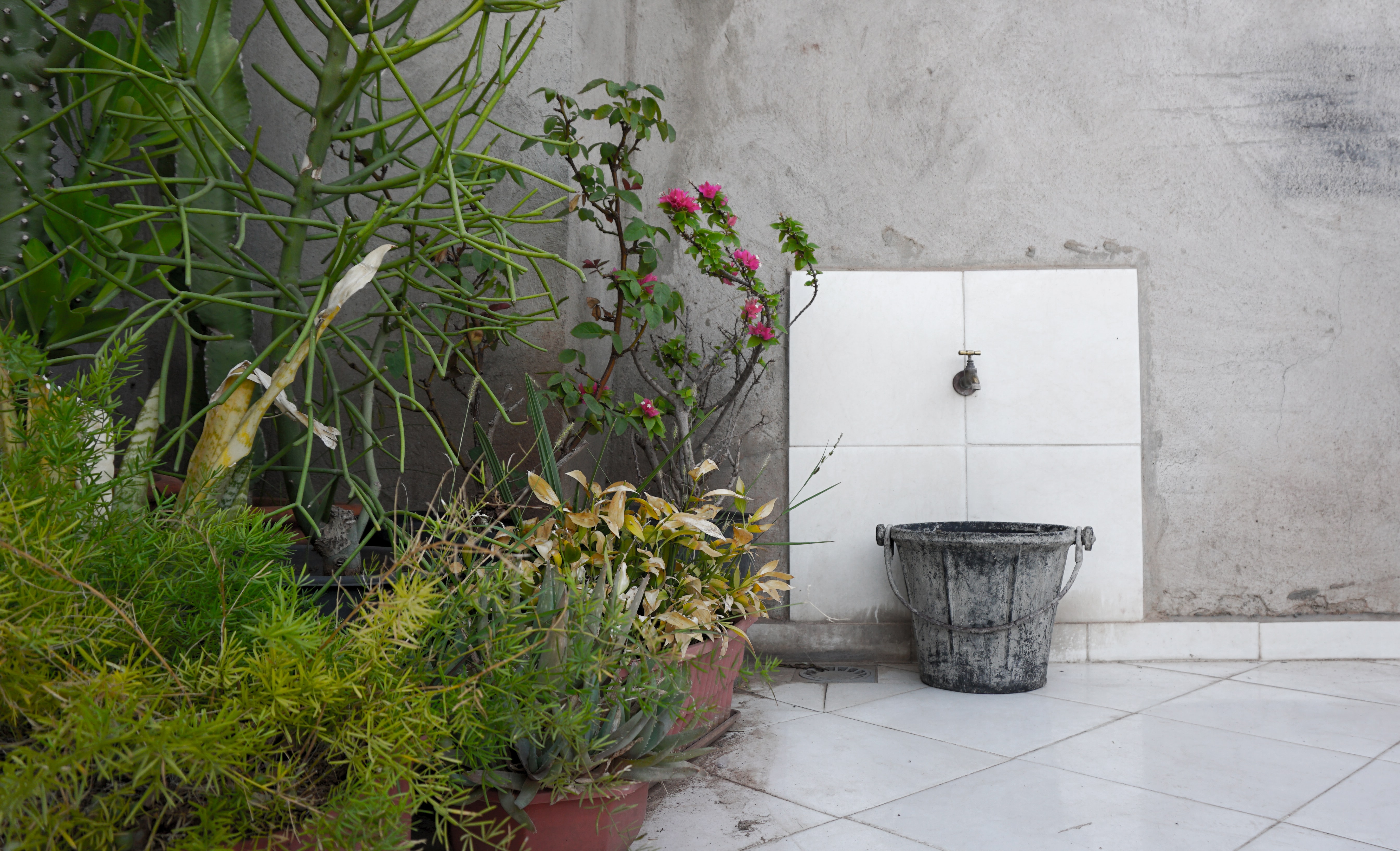
On Tuesday, around half-past-nine in the morning, my cat jumped onto the sink. An instant after I turned the tap, the power went out. Cue a three-day saga of landlord, electricians and plumbers clumping past my workspace and accusing glares from Teddy, the cat, as he nosed the unyielding tap.

Serendipitously, my three dry days coincided with reading from George Orwell’s Down and Out in Paris and London with my students.

“It is altogether curious, your first contact with poverty,” Orwell writes. “You thought it would be quite simple; it is extraordinarily complicated. You thought it would be terrible; it is merely squalid and boring. It is the peculiar lowness of poverty that you discover first; the shifts that it puts you to, the complicated meanness, the crust-wiping.”

Replace ‘poverty’ with ‘no running water’, ‘no electricity’, ‘no food’ or any other noun phrase related to a basic necessity. The principle stands.

To lack something one requires for survival is complicated, squalid, boring, low, crust-wiping. Whatever one’s other resources, the absence, scarcity or precarity of water, food, shelter, warmth, etc. is destructive.

Deprivation makes education harder to attain. Moreover, it robs whatever education one has acquired of its value.

Attention

In the elegiac opening sentence of ‘On Being Ill’ Virginia Woolf writes, “Considering how common illness is, how tremendous the spiritual change that it brings, how astonishing, when the lights of health go down, the undiscovered countries that are then disclosed… it becomes strange indeed that illness has not taken its place with love, battle, and jealousy among the prime themes of literature.”

For when the lights of health go down, let’s substitute: when you can’t flush the toilet, or wash your hands.

My first unnerved thought, when I realized the water wasn’t returning at the flick of a fuse-switch, was, oh shit.

Literally. I have had severe IBS for over a decade. Proximity to a clean, functioning, private convenience is high on my list of essentials. Higher, in fact, than food. Food, once consumed, rapidly becomes a problem.

Not having water turned the next three days into a pathetic war of attrition with my internal organs, which I’d rather think of as friends than enemies. Boiled white rice became the meal of choice to minimize digestive demands.

Disarranged eating and hygiene stress combined to drag my mind away from classes. And I’m the teacher.

Imagine how much harder it is for students to cope with scarcity, and the fatal effect on attention.

Intention

Education helps us learn to make good choices. We learn to think critically, plan, weigh options, critique, etc. (ideally, anyway).

Orwell was well-educated and possessor of a rare mind. He argues, “a man who has gone even a week on bread and margarine is not a man any longer, only a belly with a few accessory organs.”

Science bears out this observation: the brain is around 2% of body weight but hoovers up 20% of the body’s glucose-derived energy (Mergenthaler, et al., 2014). Depriving the body of the energy it requires disproportionately affects the brain; an effect for which the body attempts to compensate by purloining glucose from other vital systems. Nevertheless, subpar nutrition takes a crowbar to cognitive functions (Glucose and The Brain: Improving Mental Performance, 2013).

Other forms of deprivation, such as lack of running water, may not have the same immediate physiological implications, but they swiftly cripple good intentions.

Not knowing when the water would be back, I couldn’t plan dinner, much less anything in the more distant future. Clothes and dishes needed washing, cat bowls needed refilling, plants needed watering, but it couldn’t be done nor anticipated. I learned to live in the moment, in the worst possible way.

Interaction

Working from home, my attire tends more towards casual than smart. But there is a huge difference between informal and clean and plan dirty.

I take the ability to be clean, and therefore socially appropriate, for granted; fortunate am I.

Day one was tolerable but by day two the BO was bothering me. The morning of day three there were some unavoidable errands. After slathering on deodorant and shoving my grimy body into clean clothes I skulked out, coat zipped to the chin and masked. During the brief exchanges that followed, I stood as far away as courtesy allowed, marrow curling with self-consciousness.

I need to start donating to clean water projects, I thought. Then thought of all the people who live in places clean water projects don’t touch: places like Spain, the United States or the UK. In developed countries, broad access to running water, hygiene products, etc. masks — and no doubt exacerbates — the trauma of those who cannot access these fundamental resources.

Not being able to wash and groom adequately is uncomfortable on a personal level. I was hyperconscious of my bodily fluids and functions. But it is fatal to the ability to interact with clean human beings on an equal footing.

If I were a student who couldn’t wash, stuck in a roomful of freshly-scrubbed peers, I’d want to crawl under the floorboards. Or maybe I’d act out, to distract from my discomfort. I was fortunate to not have the precise experience as a kid, but I can imagine.

One thing is for sure: my mind would not be on my studies. I’d be counting the minutes till I could flee.

______________________________

Thursday night, the kitchen tap spluttered to life. Borderline delirious, I pulled on the Marigolds and scrubbed the dishes piled in the sink, wiped the counters, refilled the cat bowls. After a long, hot shower I put on clean pajamas, sat on the sofa and stared at the unlit furnace, unsure what to do.

The tiredness that gripped me wasn’t ordinary, end-of-the-week stuff. My energy and volition were sapped, like I’d run a marathon.

The argument of Mani, et al. (2013) that “poverty itself reduces cognitive capacity… because poverty-related concerns consume mental resources, leaving less for other tasks” made perfect sense.

Education is wonderful thing. There isn’t much I’d rather do than teach and learn. But deprivation is its undoing.

As a teacher, and an individual, I have a responsibility to work towards a more equitable society where people have the resources they need to benefit from education.

How can educators support a more equitable society? I’d love to hear your thoughts in the comments or Tweet @CilaWarncke

40 – Dodging the Magic Bullet

A version of this piece was published in Transition, a Canadian magazine on mental health.

Photo by Ross Sneddon on Unsplash

In 1980, the year I was born, the board of directors of the American Psychiatric Association voted to allow pharmaceutical companies to offer paid symposiums at its annual conference. Thirty years later I was sitting on coarse beige upholstery in a doctor’s surgery in Glasgow. “Are you sure the results are normal?”

He sighed and repeated that my blood, hormones, iron level and thyroid were all fine.

Disappointment lodged in my oesophagus. Please tell me something’s wrong: hypothyroidism, Vitamin D, anaemia, hormone imbalance, anything.

I had moved to the rain-wracked west coast of Scotland to do a Master’s degree in writing but, after a few weeks, I could barely read. Obsessive thoughts snarled and snapped: you’re stupid, you’re hopeless, you’re a failure. Glasses leapt from my hands at my part-time waitress job. Burns crept up my arms as my reflexes slowed. My boss reprimanded me for being “snappish”. I craved sugar, wolfing my flatmate’s ice cream and cereal then slinking out the next morning to replace them. I slept 12, 15 hours a day, exhausted by the weight of my body.

One more test. The doctor gave me a single sheet of paper. I tend to score well on tests; this was no exception. The Beck Depression Inventory1 is a common screening for depression, intended to “identify [its] presence and severity”2. He skimmed my responses about sadness, guilt, irritability, hopelessness, sleep disturbances, and suicidal thoughts.

“I’ll write you a prescription.”

“Is there someone I can talk to?”

Referral in hand, I walked to another basement office.

That doctor cut me off after ten seconds: “Do you want a prescription?”

He huffed audibly. “If you want to talk to someone go to the counselling service. All the other American students are on meds.”

***

In Anatomy of an Epidemic award-winning journalist Robert Whitaker describes how the “notion that [pharmaceutical] ‘magic bullets’… would bring miracle cures”3 became psychiatric dogma — despite the fact no one fully understands the organic processes of mental illness. Do psychotropic “bullets” hit their target? If so, what happens? No responsible physician would prescribe thyroid and hormone treatment without a lab test. But nobody checked my serotonin or dopamine levels. My doctor had never seen me before. He knew nothing of my family, temperament, or situation, but on the basis of 21 questions offered a drug that would dramatically, maybe irreversibly, alter my brain chemistry.

Photo by Aliane Schwartzhaupt on Unsplash

The most common antidepressants are selective serotonin reuptake inhibitors (SSRI)4 like Prozac. As it happens, I spent several years toying with a fast-acting antidepressant. Methyl​enedioxy​methamphetamine, like SSRIs, boosts serotonin levels in the brain. It obliterates unhappiness in a rush of euphoria, confidence, clarity and empathy. Everything is better: music, lights, colour, conversation, friendship, sex, and cigarettes.

Until the comedown.

“Suicide Tuesday” was a semi-serious joke among club kids. We compared notes on nightmares, hallucinations, and memory loss. We counted the days till jaws stopped aching and appetites returned.

Prozac is legal but brain chemistry is no respecter of legislation. Trials on SSRIs show that “rats fed high doses… ended up with neurons that were swollen and twisted like corkscrews”5. The human evidence is compelling: the Food and Drug Administration received 39,000 complaints about Prozac in the nine years following its approval, including reports of suicidal and homicidal outbursts, “psychotic depression, mania, abnormal thinking, hallucinations, hostility, confusion, amnesia, convulsions, tremors and sexual dysfunction.”6

***

Instead of antidepressants I took the second doctor’s advice and went to the student counselling service. Every Friday afternoon between three and four (after dark, for most of those moths) I went to a basement room where a white-faced, gold-rimmed Seth Thomas clock sat in a disused fireplace. A tiny glass pitcher and two small glasses stood on the hearth beside a box of Tork tissues. I had fold them in half to blow my nose.

“I’m scared.”

“Of what?”

“I feel like I’ve lost control.” I threw another fistful of sodden tissues in the bin. “You know the Rolling Stones’ ‘Paint It Black’? It feels like that.”

Words that come to mind now are no less true for being clichéd. Nouns: storm, cloud, void, chasm, maelstrom, black hole. Verbs: choke, crush, frighten, smother, horrify. Adjectives: miserable, catatonic, helpless, damaged, trapped, angry, sad, frustrated, lost.

***

In 1988 the United States Food and Drug Association green-lighted Prozac and America’s National Institutes of Mental Health set up the Depression Awareness Recognition and Treatment (DART) program. Its mission was to promote “greater acceptance of depression as a disorder” and, perhaps not incidentally, spread the word that “antidepressants produced recovery rates of ‘70% to 80% in comparison with 20% to 40% for placebo.”7 Eli Lilly, which held the patent on Prozac, helped pay for eight million DART brochures that highlighted the merits of serotonin-boosting pharmaceuticals.

***

Photo by Wherda Arsianto on Unsplash

If you’re trying to dodge the magic bullet you need other weapons. I’ve been running since age 13, hooked on the peace and clarity that follows the effort. In Glasgow I got up at 5:30AM, pulled on ski socks, leggings, sweatshirt, jacket, hat, gloves and battered Sauconys then ran for an hour. I swapped my restaurant job for a coffee shop and found comfort in the routine of making espresso, toasting sandwiches, and gossiping with the regulars. At home I baked caraway rye bread, bagels, and lemon cookies to combat the chill seeping through the single-glazed windows. I bought kilos of oranges and taught myself to make marmalade; experimented with vegan mac-and-cheese and coconut milk smoothies. On black afternoons I tiptoed up the ice-slick hill to the gym and did squats, bench presses and seated rows. I used holiday photos for bookmarks and saved quotes on index cards: “A book must be the axe for the frozen sea inside you,” wrote Kafka.

***

“In a [1998] World Health Organization study of the merits of screening for depression,” writes Whitaker: “Those diagnosed and treated with psychiatric medications fared worse – in terms of their depressive symptoms and their general health – over a one-year period than those who weren’t exposed to the drugs.”

***

One year is 365 days of wondering why am I still breathing? It’s a long time to resist the temptation to drag the tip of a knife down your arm just to see how it feels. I scurried and feinted but depression was a patient cat to my mouse. There were still tears in writing workshops, still mornings huddled beneath the espresso machine gnawing my fingers, still cake binges followed by penitent cups of vegetable broth.

Depression is a black-hearted octopus tenderly, insistently probing for weakness. Resistance is the only secret to survival; fight the beast with every cheap, inadequate weapon at your disposal. Work and running were my best allies. I got better at snatching pleasure and being selfish about delight. When insomnia chipped at my fragile defences, I went to the doctor for sleeping pills. At the end of the year I left Glasgow, bruised but stronger. A magic bullet might have been swift relief. But the grit, patience, and humility I learned on my way are side-effects worth having.

Photo by Nathalie Désirée Mottet on Unsplash

24 – Vegan Eating for Runners

This originally appeared in Trail Runner magazine.

Intro

Matt Frazier was an average runner who ate an average, albeit healthy, American diet and had average runner’s aches and pains Then he stopped eating meat for ethical reasons. Chicken and fish went next, and he didn’t miss them much. When he quit eggs and dairy something unexpected happened: Matt found he could run longer and harder than ever. Within a few months of becoming a vegan he ran two 50-mile races, shed some stubborn pounds, and felt fleet and fit. Inquisitive and communicative by nature, Matt started the “No Meat Athlete” blog to share his experiences.

Running on plants has taken Matt places he never imagined. This year he completed his first 100-miler, the Burning River Endurance Run, and published his first book: “No Meat Athlete: Run on Plants and Discover Your Fittest, Fastest, Happiest Self”. Co-authored by Matt Ruscigno, MPH, RD, a vegan dietician, ultra-marathoner and endurance cyclist. The book is an engaging guide to plant-based diets for runners, running for vegans, and all interested parties in-between.

Photo by Anna Pelzer on Unsplash

Why ‘No Meat’?

Removing meat, poultry, fish, dairy and eggs from your diet is a major lifestyle change but Frazier cites three compelling reasons to do so: health, the environment, and ethics.

Fitter & Faster

Studies showing that vegetarians have lower rates of obesity, heart disease, diabetes, etc are as common as mud in March, but what are the specific benefits to runners? “The most common change I hear about is faster recovery,” says Frazier. “This means less injury because it reduces your chance of over-training and getting hurt. It lets serious runners do more hard workouts.”

Scientists have yet to pinpoint why runners may recover faster on a veggie diet but there is plenty of anecdotal evidence to say they do, with world-beating vegans like Scott Jurek, Brendan Brazier, and Catra Corbett attesting to the efficacy of plant-powered running. Monique Ryan, MS, RD, author of Sports Nutrition for Endurance Athletes, says the benefit may be down to the anti-inflammatory properties of plant foods. “Exercise increases the level of free radicals in your body, which causes inflammation,” she explains. Anti-oxidants in fruits and vegetables are anti-inflammatory and protect your body from physiological stress.

Food: Environment & Ethics

Losing yourself in nature is one of the great pleasures of trail running, and eating plants is a great way to protect the environment you love. Raising livestock is a leading cause of deforestation, soil erosion, destruction of grasslands, and water contamination, worldwide, according to UN Food and Agriculture Organization research; and creates more greenhouse gas emissions than all forms of transport combined. Meat is also an inefficient food source. For example, it takes 20 pounds of grain to produce a pound of steak.

Animal cruelty is a clear argument for veganism but the human cost of meat is, if anything, greater. Meat-packing is notoriously one of America’s most dangerous jobs. Globally, the demand for meat means two-thirds of arable land is used to grow animal feed versus just eight percent to produce food for direct human consumption. This drives up food prices and put swathes of the world’s population at risk of hunger.

Photo by Ella Olsson on Unsplash

How to Make it Work: Calories – The Burning Issue

You might be surprised to hear that when it comes to food quantity is as important as quality. “Under-fuelling is a common problem,” says Ingrid Skoog, RD, chair of the Sports, Cardiovascular, and Wellness Nutrition (SCAN) group of Academy of Nutrition and Dietetics. “Between intense training, the appetite suppressant effect of exercise, and hectic lives, a lot of runners don’t eat enough.” You can get by on reserves for a while but a consistent calorie deficit puts you at risk of fatigue, excessive weight loss and sub-par training. “Nutrition is non-negotiable,” notes Skoog. “Regardless of the diet you choose, your body’s needs don’t change.”

Ruscigno concurs: “One of the biggest factors in good nutrition is getting enough food. People are concerned about protein in vegan diets but if you eat enough total calories it is almost impossible to not get enough protein.” When you cut out meat, dairy and eggs make sure to compensate with calorie-dense plant foods like nuts and nut butters, avocados, and coconut oil.

Micro-nutrients – Less is More

Decades of meat and dairy industry marketing have created the perception that you need meat for iron and dairy for calcium. But animal products are not the only option. A balanced vegan diet provides iron from a range of foods such as whole grains, leafy greens and legumes. Eating mini-portions of protein is actually more efficient than eating a steak, explains Ruscigno, because your body absorbs nutrients better in small doses.

Calcium absorption also improves on a plant-based diet because animal protein increases the amount of calcium you excrete (thus drinking milk is a paradoxical pursuit). Getting calcium from fortified plant milks, leafy greens and legumes means you can eat less total calcium but your body will retain more. Ruth Heidrich, a 78-year-old raw vegan marathoner and Ironman triathlete, who holds a PhD in nutrition and exercise physiology reports her bone density increased on an all-plant diet, despite a family history of osteoporosis.

The one essential supplement for vegans is vitamin B12, which is helps form DNA and red blood cells, and supports brain function. “You need to get some every day,” Ruscigno recommends. You can take a B12 supplement or multi-vitamin, or eat fortified foods like bread, cereal, plant milks and nutritional yeast.

Think Addition, Not Just Subtraction

Vegan or meat-eater, nutrition experts agree that what you add to your diet is more important than what you subtract. Nell Stephenson, a Paleo diet consultant and lifestyle coach who competes in Ironman Triathlons and ultra-marathons, says the key to health is eating more vegetables. “Even with the Paleo diet [which advocates eating meat] you should get 40-50% of your calories from vegetables and fruit. That gives you all the vitamins, minerals and fiber you need and nothing you don’t.”

“Not everyone is going to be a vegan,” says Ruscigno. “But if you eat like one, by consuming more fruit and vegetables, you will gain a lot of the benefits.”

Conclusion

Running on plants can have a powerful, positive effect on your performance and lifestyle as long as you are mindful and properly fuel your training. “Historically, the healthiest societies ate low-meat diets. It’s how we thrive,” says Frazier. “Becoming vegan gave me an indescribable sense of well-being. It felt whole, complete and right. It’s a force for happiness.”

No Meat Athlete: Run on Plants and Discover Your Fittest, Fastest, Happiest Self’ is published by Fair Winds Press. For more information and Matt’s book tour dates visit www.nomeatathlete.com.

23 – Sober Life in Ibiza

The following profile, written around 2014, was commissioned but wound up not being published.

Photo: Cila Warncke

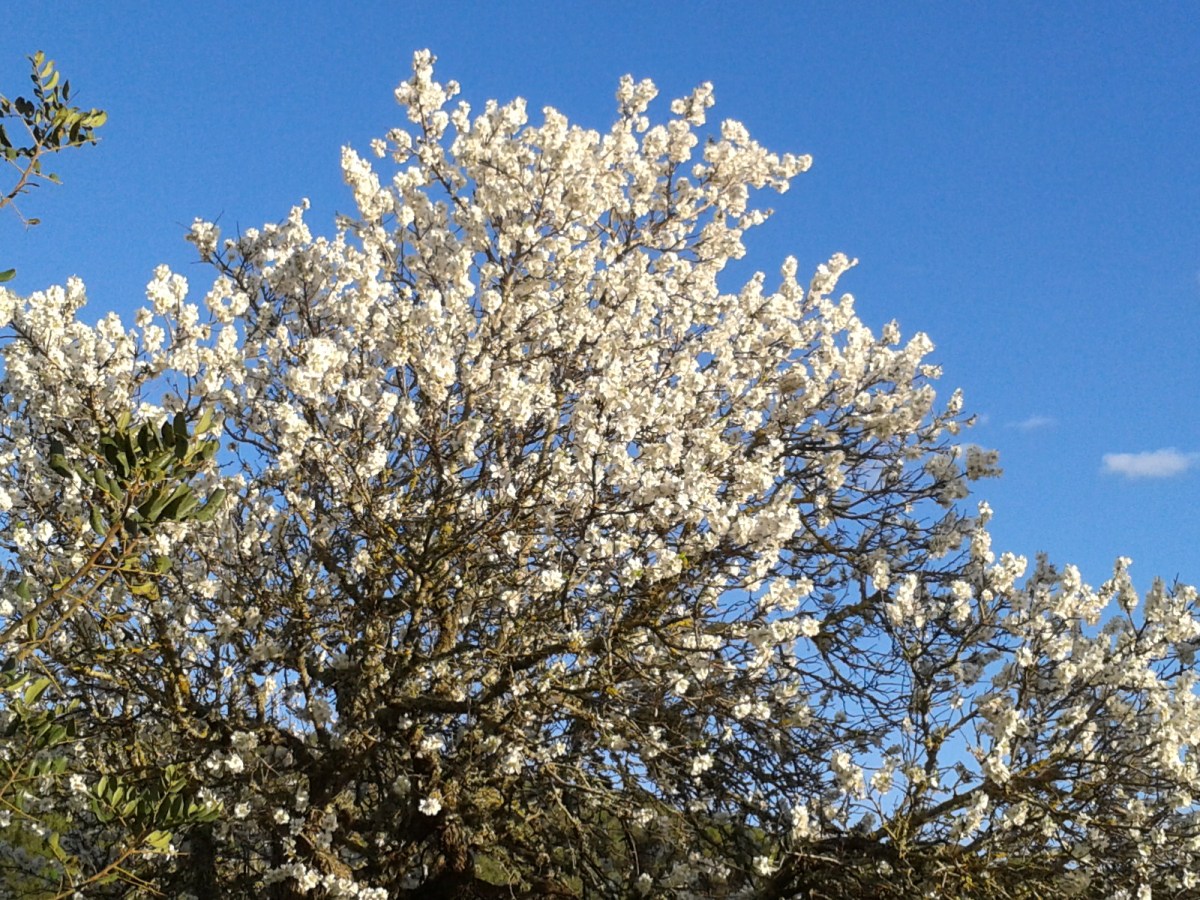
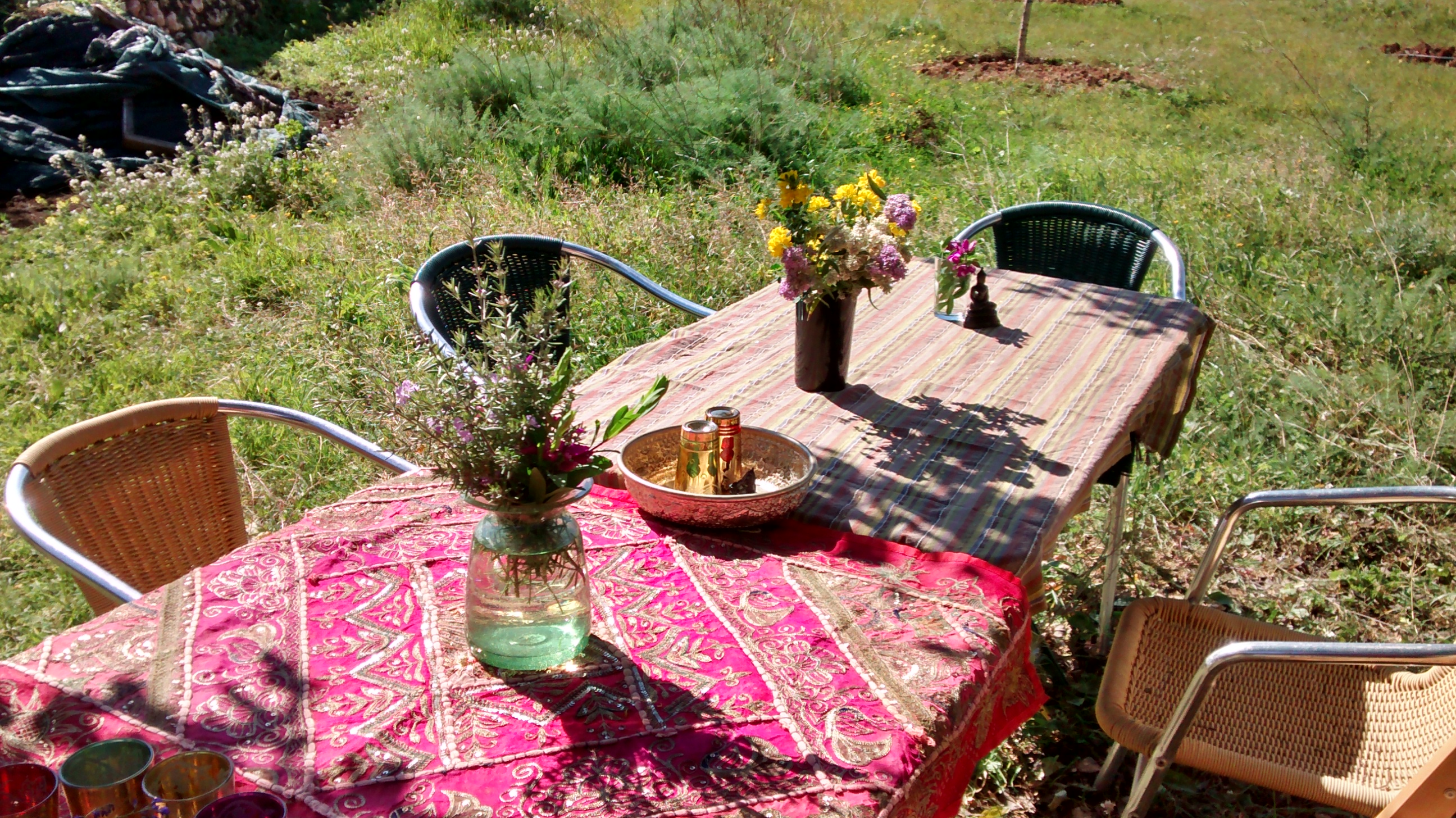
Late February, Agrotourism Morna, Sant Carles, Ibiza. The succulent smell of roast pork and chicken wafts across the terrace. White plates nestle against the whiter cloth covering a long wooden table shaded by gnarled almond branches. Guests chat over glasses of red wine while their children attack colouring books and bowls of tomato-clad pasta. Dogs romp. Halfway through the starter, proprietor and chef Simon Johnson pops out of the kitchen and realises he needs five more place settings.

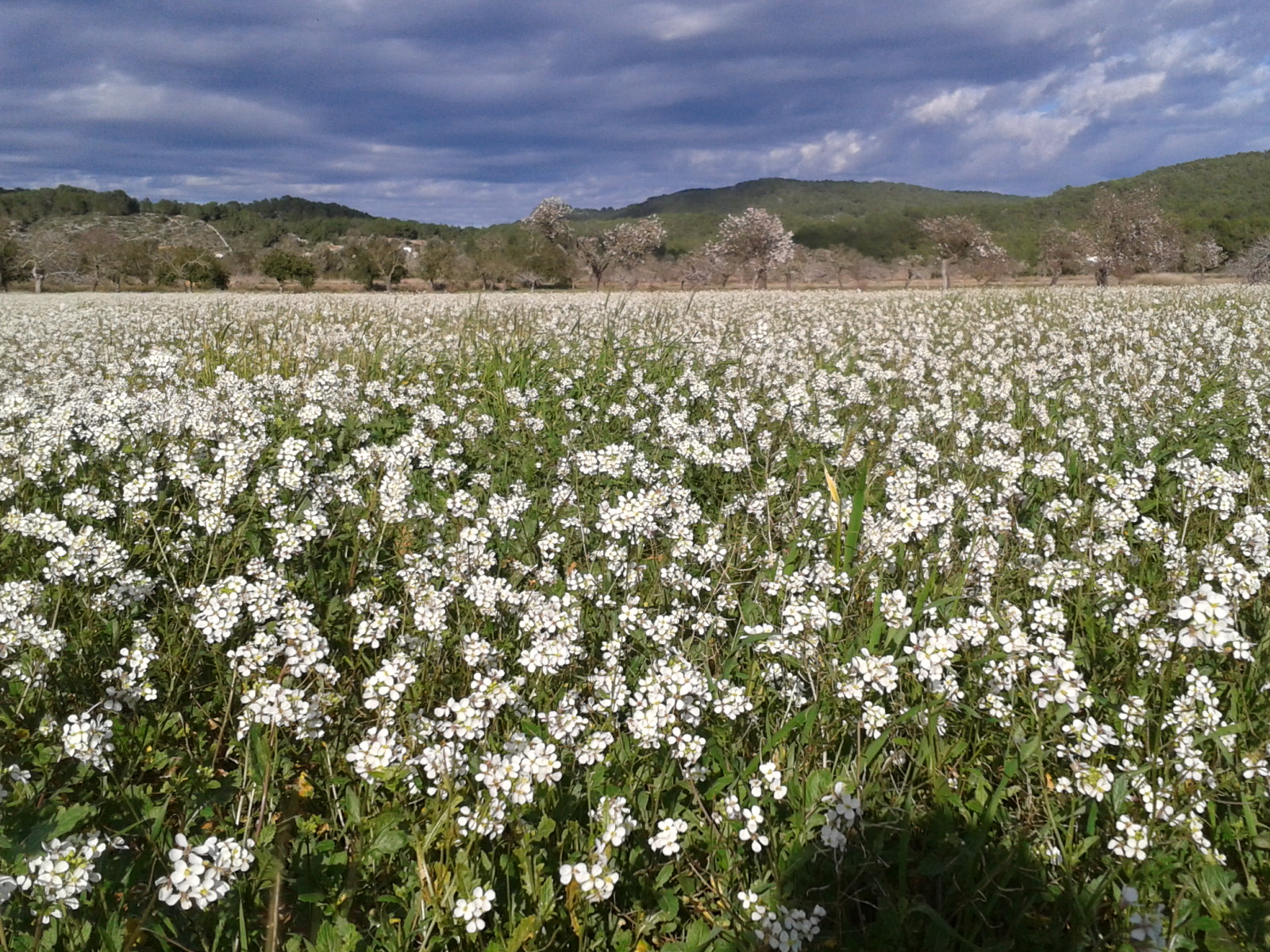
A volunteer goes in search of chairs. Someone else conjures a fistful of cutlery. Folks squeeze closer. By the time platters of carved meat and heaping bowls of succulent veg arrive at the table there is space for everyone. More bottles appear. Glasses are raised. Here’s to long lunches with friends, overlooking verdant fields and inhaling the faint honey of almond blossoms.

This idyllic afternoon in the campo belies the winding road that brought Simon to Morna, and his pressured quest to turn a time-worn agrotourismo (the local name for a rustic bed-and-breakfast) into a homey country retreat.

Photo: Cila Warncke

In November the Agro, as it is affectionately known, resembled a cyclone landfall. The pool was half-full of brackish black water. The terraces were strewn with broken furniture, old mattresses, rubbish, and piles of broken concrete. Inside, mildew crept up the white walls and cobwebs laced together the corners of the high ceilings. The garden was mud, weeds and a welter of dead grape vines. Beneath grey winter skies it had a chill air of decay.

Admittedly, all Ibiza tourist accommodation is worse for wear off-season. Two things made Agrotourismo Morna different: 1) its new manager Simon had never run a hotel before and 2) he had no money. Not in the way some perfectly solvent folk claim to have no money, but literally. Simon was broke, impoverished; in the Cockney rhyming slang of his youth, brassic. Nobody, including him, knew exactly how or where he was going to magic up the money and people-power to renovate Morna. Putative business partners flailed and bailed, neighbours eyeballed the scene and wished him luck, the owner of the land chewed his cigar and muttered.

Yet Simon was eerily calm. Cigarette in hand, West Ham matches burbling in the background, he pieced things together. He hosted a curry dinner to raise rent money, haggled for curios at Sant Jordi market, and sourced furniture from Facebook. He bartered home-made Scotch eggs for advertising space. He hired a gardener then sweet-talked him into emptying the pool, one bucket of sludge at a time.

Photo: Cila Warncke

Making do is a talent Simon has cultivated since boyhood. “I didn’t have a clue what I wanted to be when I grew up, I just got on with it.” Getting on with it may as well be the family motto. “We’re all self-employed,” he muses. “Quite an entrepreneurial bunch.” His grandparents ran pie and mash shops in London’s East End and a greengrocers (“that’s where I got my love of food”). Dyslexia hampered him in academics but he was savvy and good at making friends.

Bonhomie became his ticket to the world. After brief stints working in the stock market and as a chef, in London, Simon took off and spent years in Asia. He made a living selling “a bit of land, anything really” while absorbing the cultures and cuisines. Eventually he settled in Barcelona, still working in sales. He got married and divorced. Made some money. And drank. “I was always a heavy drinker, always doing things I didn’t want to do.” He pauses, foot bouncing, looking for the right words. “You can get to a point drinking or taking drugs, that you don’t actually want to be doing it, but you continue. You don’t understand why, you just have to. It happened a few times and I managed to pull it back, but three years ago I crossed a line.”

During his sodden slide towards that demarcation Simon decided to move to Ibiza. If you can call it a decision. “Ibiza was a whim. I was drinking a lot and at a loose end. I didn’t really have a reason to do anything.” He arrived and started doing barbecues for a friend’s villa rental business. This blossomed into his own catering company, Cook Ibiza, and let him to slip into a routine of “drinking, earning money and continuing drinking.”

Ibiza didn’t drive him to drink, he is quick to add, but didn’t stop him either. “Wherever I was in the world at that time, I would have been drinking. But it gave me an excuse to shut a door and drink all day. You can disappear here.”

Parties were, paradoxically, an occasion for restraint, something to grin and bear until he could slip away to drink alone. “Don Simon was my poison,” he says, naming the cheap cardboard-carton plonk beloved of teenage holiday-makers. “At my worst I was drinking six or seven litres a day.” Simon struggled to maintain a social façade but that level of intake damages a man’s impulse control. He was arrested on a drunk driving warrant while trying to check into Es Vive and marched out of the self-styled party hotel in handcuffs. He went on a ten-day binge. “People were scared of what I was doing. I was scared. I had to admit I was really in the shit. I’m an alcoholic.”

Photo: Cila Warncke

Agro Morna’s first overnight guests are due in forty hours. The gardener and handyman pump last week’s rainwater out of the pool, bragging like schoolboys about Amsterdam red light district exploits as they work. A painter wanders out of the house, brush in hand, to bum a smoke. An interior designer who has taken on Morna as a labour of love, scurries past with an armload of sodden sheets and jumpers. Her kids shriek over a DVD. A trio of dogs get noisily underfoot. Simon and his cousin appear laden with the spoils of a last-minute shopping expedition. Unspoken questions crackle in the air: Will everything be ready? Can he pull it off? Is this really happening?

Five days later Simon and I perch on a white outdoor sofa marked with only a few paw prints. Simon’s puppy, Potter, lies alert but sedate at our feet. Sun peeks through a smothering sea fog. The pool gleams David Hockney blue. Guests loll on the terrace, savouring a home-cooked lunch. It is as abrupt and unlikely a transformation as the denoument of a fairytale.

Fourteen months earlier, Simon was in a Bedfordshire rehab clinic, doped on Valium, not sure he intended to stay sober. “I was with a lot of people who didn’t want to be there. All they did was plot how they were going to go drinking when they got out.” A counsellor took him aside and asked if he was going to join that gang, or take his life seriously. He’d already lost half a kidney due to drinking. Alcohol would kill him, probably sooner than later.

Simon wanted to get on with things, but how? In rehab counsellors advised him to take a year off work and concentrate on sobriety. But faced with the option of living in a hostel in London or returning to Ibiza, Simon took a chance on the island: “I thought, it’s time to get on with life.” A catering job at Pikes Hotel was a chance test the waters. It went well. He wasn’t tempted to drink. So he took the plunge and moved. “I didn’t have any expectations. I was happy to be back but it was very day-to-day, work-wise, and going to as many AA meetings as I possibly could.”

Alcoholics Anonymous is the world’s most recognisable anti-addiction brand but sticking with the programme in Ibiza has its challenges. Simon faced practical ones, like getting to meetings despite being banned from driving, and psychological ones, like maintaining a semblance of anonymity on a gossipy little island, but he is adamant about its value. “AA is an amazing fellowship. Anyone who’s in any doubt should get into a room. It’s a lifesaver for me.”

Photo: Cila Warncke

Motivated by sobriety and the family ethos of getting on with it, Simon busied himself with Cook Ibiza. Then a friend invited him to see a house near the northern village of Sant Carles. He went along and surprised himself by signing a 10-year lease to renovate and manage Morna. “I wasn’t looking for it,” he says with a shake of the head. “And couldn’t afford it, but there was something welcoming about the place. It was peaceful.”

Simon is voicing a consensus. Everyone who visits, even those who saw the Agro at its scruffiest, falls in love. It has – along with quantifiable Ibiza charms like olive and almond trees, sublime sunsets, and rustic architecture – an intangible allure. People feel at home. Kids and pets thrive. Its first guests paid it the compliment of immediately booking another visit.

Things are, touch wood, going well but Simon approaches each day knowing the future depends on his resolution. “Sobriety hasn’t been easy. I have to focus on staying sober and knowing that if I do good things will happen.”

This means changing old habits and holding himself to a high standard. “The biggest difference in my life now is trying to do the right thing every day, trying to be as honest and clear as possible. I probably get it about fifty percent right at the moment. There’re some bills I haven’t paid. I’ve been late on things, forgotten things. But it doesn’t sit right with me any more if I’m creating enemies or problems. Whereas before, that’s what I’d do.”

What advice would he give himself if he could go back in time a year?

Simon thinks for a long moment: “I wouldn’t know what to change. Every single thing, every mishap has been part of the jigsaw coming into this. I’m very, very lucky.”

Photo: Cila Warncke