On World Building with Rosanna Leo

Welcome to ‘Between the Lines’ – interviews with teachers, writers and writing teachers on aspects of their craft. This week, a conversation with lauded paranormal and contemporary romance writer Rosanna Leo that explores the intricacies of world building.

All images courtesy Rosanna Leo

In magical realms

It is Sunday afternoon. Outside Rosanna Leo’s home (not far from Toronto, Ontario) the leaves have turned. “Just a couple of weeks till the beginning of winter,” she remarks. “It’s long here: cold, snowy.”

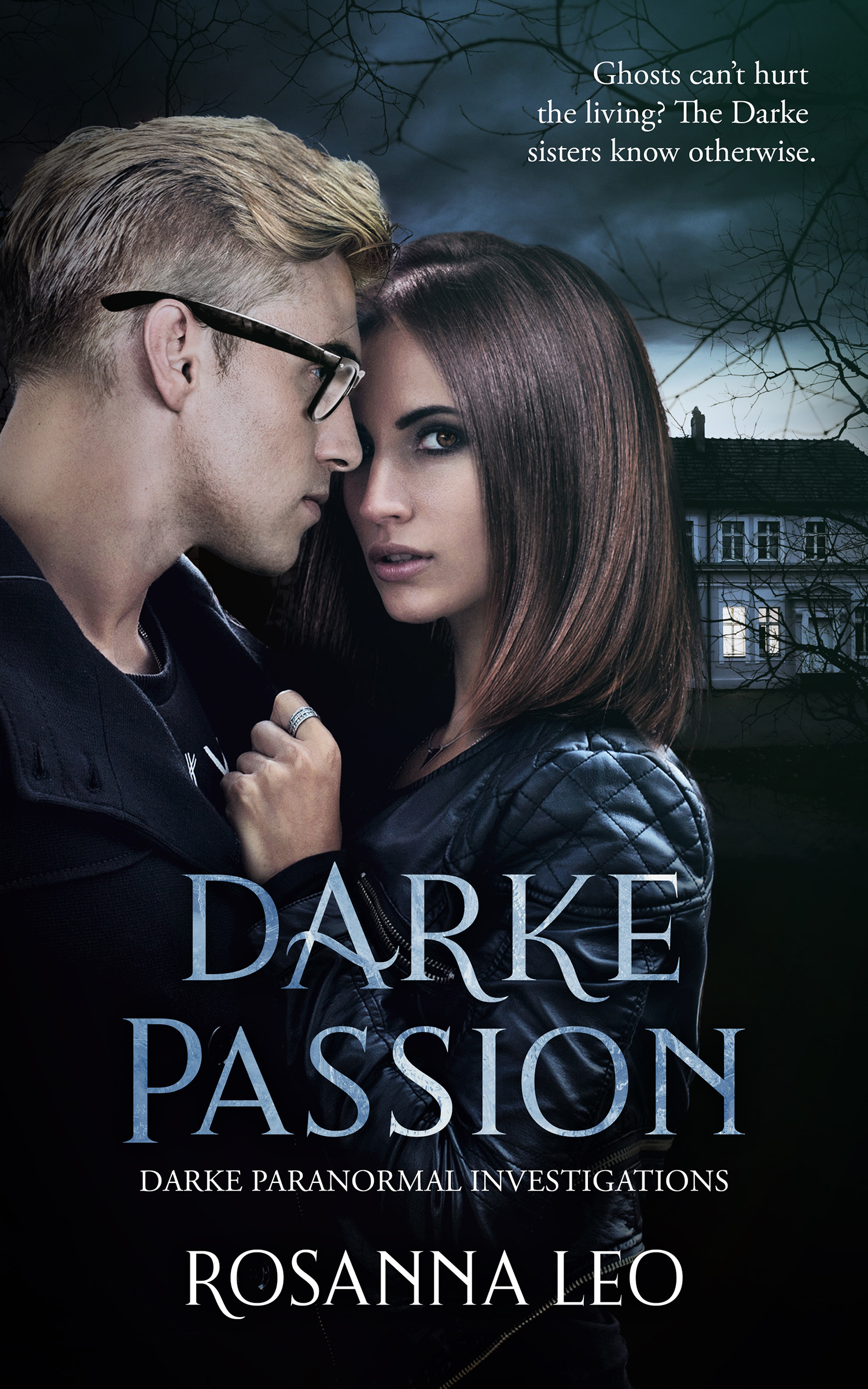
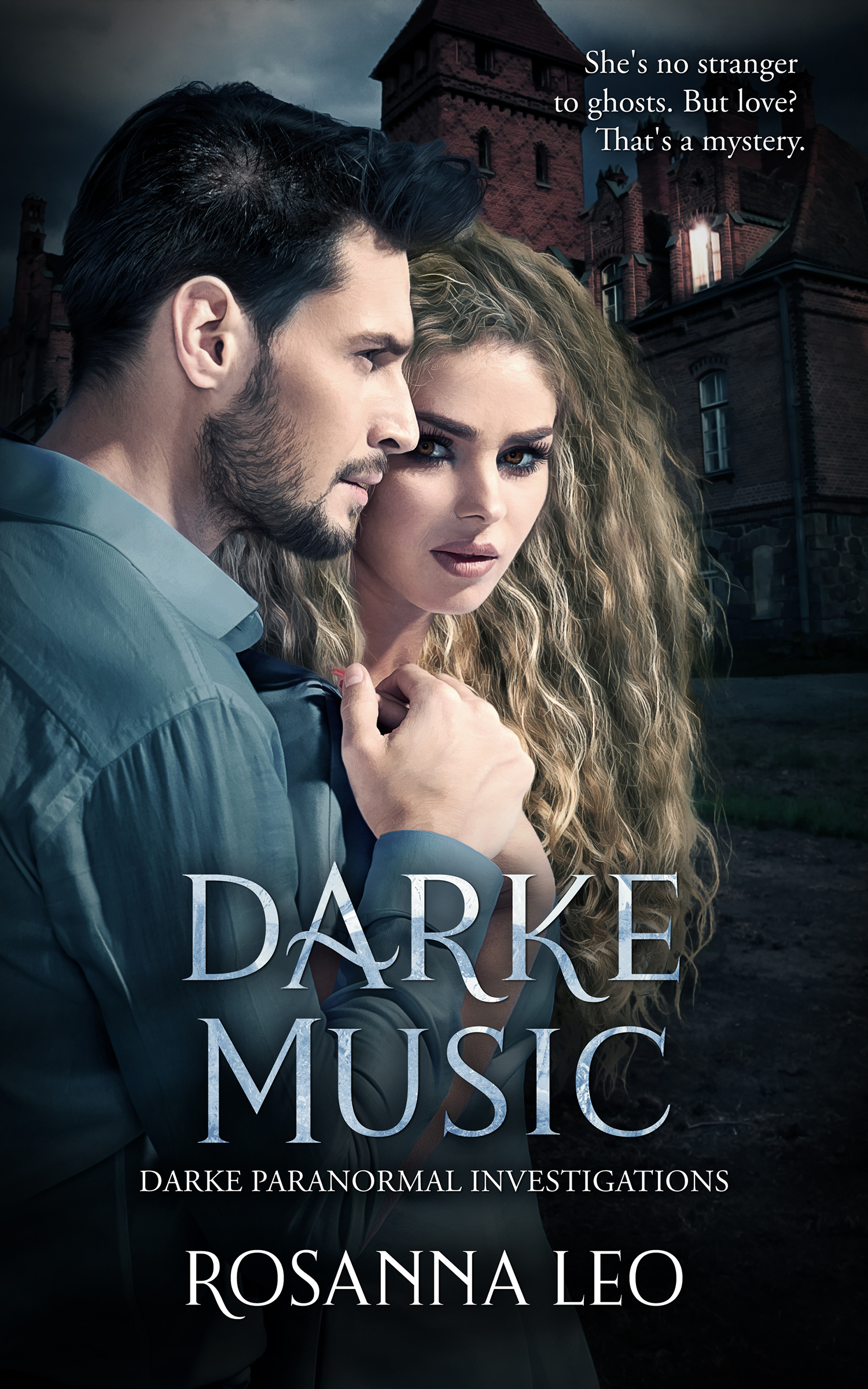
Perfect weather, that is, for staying indoors with a good book: perhaps a volume or two of Leo’s Darke Paranormal Investigations or Handyman trilogies; or her Vegas Sins series.

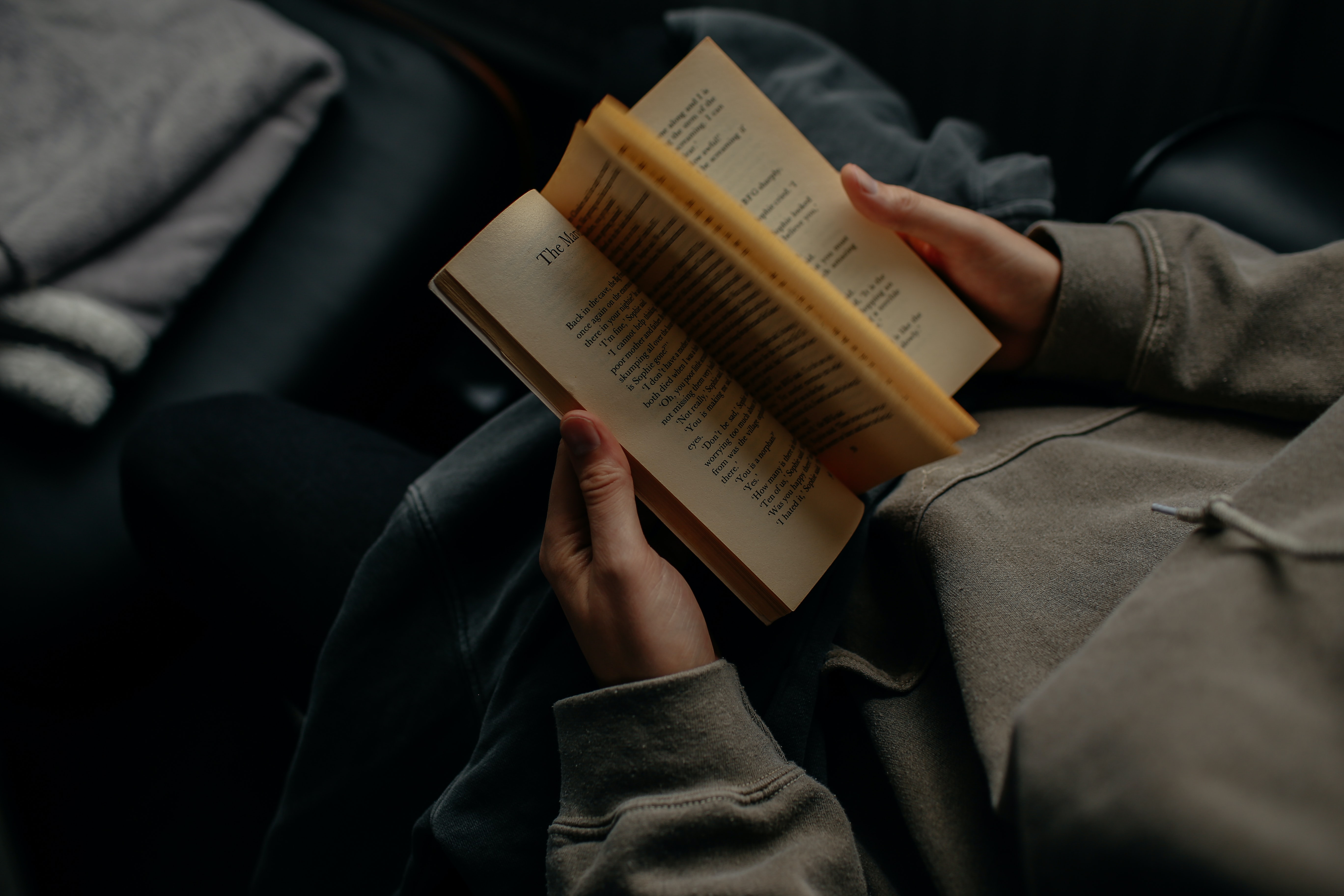
Leo writes to transport her readers into magical realms. As a child, she whiled away hours daydreaming in her bedroom. “I thought I could get to Narnia through the back of the wardrobe,” she chuckles.

Although no longer so literal-minded about the power of fiction, Leo still believes a story can and should be transcendent.

“As a kid, I reread the Chronicles of Narnia every year, which entrenched my love of mythological figures and fantastical creatures. Classic ghost stories were my bedtime stories. Once I started exploring the world of romance — Robyn Carr, Erin McCarthy, Kathy Love — something clicked: romance, that’s where I wanted to be.”

The path to writing

Bookworm though she was, Leo had only a brief brush with writing in her school days. On a teacher’s prompting, she entered a Royal Legion contest with a story about her veteran grandfather’s post-traumatic stress disorder: “The family would say, ‘he’s having his nightmares’.”

She won.

“I was the only person in my family, up till now, who has ever shown any interest in writing,” she muses. Which may account for the Royal Legion story being the “first — and for quite a few years the last” time she wrote with intent.

Leo earned a BA in English literature, but another art form won her over. After her undergraduate degree, she completed a three-year diploma in a classical singing and spent several years performing with a chamber ensemble, in addition to her day job.

It was while on maternity leave with her first child that Leo began to write again. “My son was a good napper, so I started scribbling, then, after plugging away for a while, I had a novel in front of me. It was terrible,” she laughs. “This sprawling, epic story with ghosts, demons, the kitchen sink.

“I sent the manuscript to Harlequin then waited many, many months for the form rejection letter to come in the mail. It was good to get. It was important to know I could move on from there.”

After a few years of working and re-working, Leo submitted another manuscript. This one was accepted. “It was the biggest high I’ve ever experienced.

Since then, she has combined her full time job as an acquisitions assistant at a local library with writing award-winning romance novels. “It’s the stories that keep me going. I love coming up with characters. I love creating worlds.”
On world building

What is world building?

You are creating the backdrop to your story. You might think of the Game of Thrones series, with different countries and mythologies. But world building can be simpler than that; it doesn’t have to have a fantastical element.

I often write about places I know and historical moments. I think of world building even if I’m writing something with no paranormal or fantasy aspects. It’s what brings that book to life.

What is essential for creating a coherent world?

When you’re creating a new world, even the tiny details have to be vivid. You don’t have to go on for pages talking about what the curtains look like, but you need details to put the reader in that world. Also, if there is anything about the people who inhabit the world, especially in the case of fantasy, you have to break that down. What do animals look like? How do people speak?

What tools do you use to plan?

Research is vital. The basis of the Darke stories’ worlds is: what moments had repercussions that lasted into the future? They are based on historical incidents, so I’m researching those periods, what happened, what impact things had on the current time-frame and modern characters.

How do you research?

It’s handy I work in the library and have a lot of resources at my fingertips. Inter-library loan is my best friend. You can find materials from other systems, things that are very specific. There is [also] a lot of great stuff via Google. For me, researching Canadian historical moments, there are great archives online.

To maintain consistency across your novels?

At the beginning of a series, I determine who the characters are going to be, write thorough character sketches and carry them from book to book. If I mention something about a character, I make sure I can access it throughout the story. Readers are savvy. They will remember [errors] and call you out! You need to get it right.

How does world-building interact with characterization?

It’s huge. There will be things a character can or can’t do, depending on the world they live in. Even in realistic worlds, you have to think about what will make sense.

What are common mistakes authors make in world building?

As we talked about, not keeping track of certain types of information – changing things down the road could be jarring for the reader.

Are writers over- or under-ambitious?

There is a fine line between providing the right amount of detail and too much. If I open up a book and the author goes on for 12 pages about the curtains, I’ll get out.

Who are a couple of writers who world build well?

Scarlett Peckham, who writes historical romance. Catherine Stein: great steam-punk/sci-fi/paranormal. Paulette Kennedy and Hester Fox – both Gothic writers – do world building really well: great attention to detail, very immersive.
Leo recommends

The piece of writing that changed your life before age 18?

Jane Eyre by Charlotte Bronte. When I was 12 I thought it was very romantic. I don’t look at it through the same lens any longer, but it started my love of romance.

The piece of writing that changed your life as an adult?

The Tenant by Katrina Jackson. It’s a wonderful ghost story with all the creepy elements, a gothic feel, but she also talks about racism in an effective and moving way. It’s a short novel, but she packs so much in. Everyone should read her work.

A book about writing every aspiring writer should read?

On Writing by Stephen King was very helpful. Leigh Michaels’ Writing the Romance Novel – I keep a copy in my basement and have reread it many, many times.

A living writer you’d love to hang out with?

Anise Eden. We’ve been friends online for years, but we’ve never been able to meet up. Her books are fantastic. We became mutual fans before we got to know each other. Now, I’m honoured to say she’s my friend.

Your perfect writing space?

I like silence. I won’t go to a coffeeshop, don’t like a playlist in the background. Just a room in my house where I can get into mischief in my head.

What non-writing pursuits feed your writing?

My husband and I like to explore the small towns around us. I love walking around an old cemetery trying to figure out, who were these people? That starts a lot of stories in my mind. For writers, it is easy to be solitary, to retreat, but it’s important for me to get out there, experience life, ask questions.

What’s next?

My series Darke Paranormal Investigations – which is set here in Ontario. It stars three sisters who are all paranormal investigators; the first two [novels] are out and have been really well received. The third book is out in March 2024.

Connect

7 Fun Play-Anywhere Writing Games

Grab a pen and paper and hone your word skills through play!

Photo by Calum MacAulay on Unsplash

Native English speakers only need to learn around 9,000 words to read proficiently (Nation, 2014; Qian & Lin, 2019). This, out of a lexis of over 170,00 words (and growing!)

Hence most of us walk, eat and talk on a daily basis rather than shuffle, feast or murmur.

We’re creatures of habit. The words we use frequently become top-of-mind, and therefore likely to be used again. Our routine vocabulary shrinks like a puddle in the sun.

One way to prevent, indeed, reverse, this trend is to play with words.

Reading, crossword puzzling, etc., can build our word banks but having a fine working vocabulary means being able to summon novel words and express ourselves in new ways. Like play piano, or basketball, this skill requires practice.

The following drills are designed to be pen-and-paper; no reference to outside sources required. Use the back of an envelope, a napkin, scribble on your hand like a teenager, draw in sand on the shoreline.

The goal is to tap your linguistic aquafer. If you feel inspired to augment your vocabulary through reading or dictionary browsing, all to the good, but no pressure.

Grab your quill and parchment and let’s away.

_________________________________________________________________________________

Pre-root-ixes: Prefixes, root words and suffixes

Straightforward: choose a prefix, root word or suffix and list as many words containing it as you can.

  • Prefix suggestions: ex, dis, im, dis, pre, un
  • Root suggestions: auto, corp, derm, lum, tele
  • Suffix suggestions: ism, ity, ment, ness, tion/sion

Word transformation

This is a game I designed to improve upper-level ESL students awareness of parts of speech (POS) and the flexibility of English vocabulary. It’s simple, take a noun or verb, then come up with all the permutations of it you can, including words that contain it, collocations or sayings.

It works best when you think systematically about POS. Let’s use like as an example.

  • Verbs: to like, to dislike
  • Nouns: like, likelihood, liking, dislike
  • Adjectives: like, likeable, likely
  • Adverbs: like, likely, unlikely
  • Preposition: like
  • Conjunction: like
  • Collocations/sayings: eat like a horse, go over like a lead balloon, off like a shot, like water off a ducks back, look like a million dollars, etc.
Photo by Hannah Olinger on Unsplash

CAS – colloquialisms, aphorisms and sayings

Here, the goal is to list informal language terms that either

  • contain a particular word (as in the example above)
  • relate to a particular subject (e.g., work, money, travel)

Take ‘time’ as an example. The first category might include

  • time and tide way for no man
  • a stitch in time saves nine
  • once upon a time
  • time is (not) on their side
  • time out of mind

The second

  • to take a rain check
  • down to the wire
  • from here to eternity
  • jump the gun
  • Rome wasn’t built in a day

Single-word prompts

This drill was the result of being bored of my journal. Left to itself, my squirrelly brain chews over the same topics like its storing fat for winter. So I wrote a random word at the top of each page then, each day, wrote something inspired by it.

Try this for five, seven, 10, 14 days. See what fun your mind has.

Alphabets

Another fast, fun list drill. Jot the alphabet vertically on a sheet of paper then fill it in with words from a given category: adverbs, cities, animals, desserts, compound nouns.

Warm up with a big category like plants or household objects then get esoteric: can you complete the alphabet with shades of blue, pre-20th century literary heroines or 80s song titles?

What do you see?

Prior to writing my novel Ibiza Noir, I wrote 700 words of pure description a day for 30 days. No attempt at narrative, simply drew the most vivid word-pictures possible.

  1. Set a time or word-count goal, e.g., write for 10 minutes without stopping, or write 500 words.
  2. Choose an object of reasonable complexity, a flower, or your living room, and describe it in as much detail as you can muster. Imagine you are describing it to an artist; you want their rendering to be as close to reality as possible.
  3. Challenge yourself to apply this descriptive writing practice to real-world scenes. Go sit in the park, or on a bench at the mall, and write your allotted words. But remember, no narrative, just images.
Photo by Markus Winkler on Unsplash

Daily ledes

This drill is perfect for pre-bedtime journaling.

  1. Choose three events/moments from your day.
  2. Jot down the 5Ws: when, where, who, what and why.
  3. Write a lede (the first sentence or paragraph of a news article) that contains all 5Ws.

Example:

  1. You went to the dentist and got your teeth cleaned.
  2. When: 11:30AM, where: dentist office (43 Main Street), who: hygienist David, what: tooth cleaning, why: six months since last appointment
  3. Lede: At 11:30 this morning, dental hygienist David Smith faced off with a six-month old plaque formation on Patient X’s right rear molar, a struggle that resounded through the office at 43 Main Street.

Bonus game! #semanticfieldgoals

Yes, I just wanted to write #semanticfieldgoals.

It’s also a good game.

A semantic field is a set of words related by meaning, for example colors, plants, foods, senses, etc. For the sake of this drill, any category will do.

Choose a category

  • List all the words you can think of related to that category.
  • Choose one of those words as the starter for a new list.
  • Repeat as often as you like.

Let’s try chemistry:

  1. Chemistry: periodic table, ion, Madam Curie, Nobel Prize, beaker, lab, Bunsen burner, ion, orbital, atom, atomic weight, electron, proton, neutron, bond, reaction, element, carbon, organic
  2. Atom: ancient Greece, Democritus, particle, bomb, Oppenheimer,
  3. Ancient Greece: philosophy, alphabet, city-states, wine, Homer, Sparta, etc.

___________________________________________________________________________________________

Play a round or two of one of the games and post your results in the comments!

Flashback: My 2016 Reading Highlights

Joan Didion said it was a good idea to stay acquainted with the people you used to be, even if you don’t much like them anymore.

It’s good advice.

In 2016, life was changing so fast my head spun. I met my now-husband in December 2015 and the next year was spent jumping on planes to get to him, culminating in a move from Ibiza to Memphis, Tennessee. Small wonder it was a year of comfort-reading favorite books in snatched moments.

Here’s what I read, and why I read it.

***

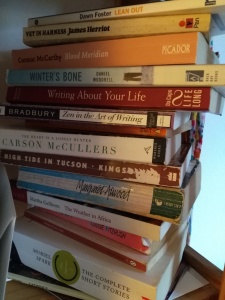
If, like me, you have a voice in your head that tells you off for paying attention to your own life, for saving boarding passes and scribbled-upon napkins, for stopping to write love letters in the sand, ignore it.

img_20161113_151120

Happiness and creativity depend on valuing our lives. They depend on listening, watching, recording, remembering. It is easy to envy other people’s lives — so exciting! Such superior children/holidays/houses/jobs/wardrobes/sex lives! Such a torrent of fabulous Instagram photos and witty Facebook status updates. We get so caught up peering through the virtual window of our neighbours’ lives we forget to look at our own. We don’t see the pathos, adventure, and pleasure of our own existence because we’re not looking.

Two years ago I started a keeping a list of all the books I read. It seemed like a self-indulgent tic indicative of an unhealthy level of ego. Or, worse, a pointless exercise (who cares?) My delight in list-making narrowly trumped these niggles. Now a blue virtual post-it on my home screen contains a list of all the books I read in 2016.

The list reminds me not only what I’ve read, but how I read. It is a snapshot of the ebb and flow of time and energy. January 2016 was a book-heavy month, gobbling up a glut of Christmas goodies and biding a lot of time until my second date with the soon-to-be boyfriend. February was a respectable showing. March, the month I spent between London, Dominican Republic and Brussels, I read almost nothing. The next two months were spent in a miserable, unsuccessful attempt to assimilate into a receptionist job at an overrated luxury agrotourismo in Ibiza — it was bad enough I only read a book and a half. Finishing Anna Karenina took me through June. The rest of the year I read in fits and starts. What jumped out, reviewing the list, was how many books I reread. And, with the exception of High Tide in Tucson and Jane Eyre, not just for the second time.

Looking over my top ten rereads reminds me what I value and crave. The books on this list all offer, directly or through illustration, wisdom and encouragement to those trying hard to live by their own lights. From the esoteric musings of the Glass siblings to the tough-love advice of Cheryl Strayed, each book is, in its own way, a tonic. They were rocks in the fast-moving stream of a year where everything changed, stepping stones to a new life.

Franny & Zooey, JD Salinger

franny

The summer I was 15 I lived with my older sister and worked at Wendy’s. Every day on my break I hunkered down in store cupboard and read Franny & Zooey. To this day I’m not sure where I got the book, or why it grabbed me. What I do know is I’ve read it somewhere between 30-50 times, can quote entire sections of it verbatim, and reread it at least twice a year. In part it’s the reflection of myself I see in Zooey who says “I’m sick to death of waking up furious every morning and going to bed furious at night”, an echo of my relationship with my siblings in the narrator’s aside that the Glass siblings share a “semantic geometry where the shortest distance between two points is a fullish circle”, or descriptions like, “the Jewish-Irish Mohican scout who died in your arms at the roulette table in Monte Carlo.” In part, because the wildly verbose, witty, strangely timeless sentences still reveal new flashes of character. The narrator says it is a “compound or multiple love story, pure and complicated” which is a fine description of the writing, too.

Bird by Bird, Anne Lamott

Ostensibly a book about writing, Bird by Bird is a wise, funny, heart-rending guide to living life when you don’t fit in a box. The combination of Lamott’s acerbic yet self-deprecating turns of phrase coupled with her palpable compassion is almost unbearable. I cry every time I read it, even though I’ve read it so many times I well up in anticipation. It makes me want to walk around hugging everyone and at the same time makes me want to be a blazing good writer. Every chapter is a gem, but “Jealousy” and “KFKD” are maybe the best things you’ll ever read on, respectively, the eponymous emotion and self-doubt. And her advice about avoiding libel charges is hilarious, priceless, and involves the memorable comparison of a penis to a baby bird in its nest.

letters

Letters to a Young Poet, Rilke

This I plucked off a library shelf in Tigard, OR on the strength of the fact that Lady Gaga has a Rilke quote tattooed on her upper arm — it reads in part, “confess to yourself that you would die if you were forbidden to write”. The line, it transpires, is from Letters To A Young Poet which is so rich in exquisitely worded wisdom it flays me. Rilke’s advice on sex, solitude, and seeking ones calling is so incisive it takes my breath away. And, as a poet, he makes every word count, crafting artful sentences that blow my mind on both a philosophical and aesthetic basis. I love it so much, I read it aloud and sent the recording as a gift to a friend.

A Room of One’s Own, Virginia Woolf

Woolf’s trenchant analysis of what women writers need is as relevant today as when she delivered the lectures from which it was drawn in 1928. We may have “come a long way, baby” but women are still underpaid, overworked, and too often cut off from the privileges that enrich men’s prospects. Sexism may not be as crude as the beadle who ordered her out of the Oxford library, but it thrives in a thousand insidious ways that women internalise or ignore at their own risk. I also love Woolf’s dazzling prose, which gave us, “one can not think well, love well, sleep well, if one has not dined well.”

Tiny Beautiful Things, Cheryl Strayed

This collection of Strayed’s advice columns written for The Rumpus’s Dear Sugar column breaks my heart wide open. I’m sobbing by the time I get through the second or third letter, whichever it is that is from the women who suffered a late-term miscarriage. It is hard to put my finger exactly on what it is about Tiny Beautiful Things that makes me gasp. Mostly, it’s Strayed’s unflinching willingness to examine the hardest things in her own life. She doesn’t rush through awfulness, or glide past suffering, she stays, unafraid to study it and claim who and what she is in the wake of it. This solipsism is unexpectedly comforting. By inhabiting and sharing her experience she makes it okay to inhabit and unpick my experience. Line by line, she demonstrates the potential for growth and change in every life. If one is willing to embrace an almost Stoic determination to live well by doing what’s right.

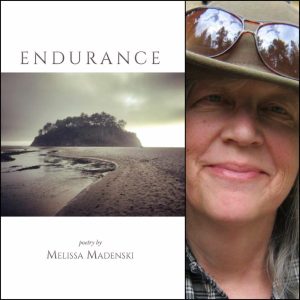
Endurance, Melissa Madenski

endurance

In 2015 I committed to memorising a poem per month, and did. Not all of them have remained word-perfect in my head, but it was an incredible experience with language. When you learn something by heart, you discover things. Cadence, repetition, punctuation, imagery all become vivid in an unpredictable way. I didn’t set out to memorise poetry in 2016 but I read a lot of it — including fantastic collections by Jack Gilbert and CP Cavafy. My favourite reread, though, was this slender chapbook by an Oregon writer. She lost her husband to an unexpected heart attack when she was in her 30s with two young children and the grief of that loss reverberates through Endurance. These are poems about learning to live with the worst case, not with resignation but with courage and, ultimately, joy. It’s another one I can’t make it through without tears, but they’re cathartic.

Jane Eyre, Charlotte Bronte

Of all the my rereads, this was the most fun because it was so different from my memory of it. I must have been 12 or 13 when I read Jane Eyre and I was bored witless. Years later, I read Wuthering Heights and hated it, confirming my prejudice against their weird, masochistic and wildly overrated Brontë sisters. Then on a whim I read Anne Brontë’s Tenant of Wildfell Hall and liked it. And somewhere I heard that Jane Eyre was feminist. So I gave it another shot and fell in love. Bold feminism plus a terrific yarn? Brilliant. Free Kindle edition

Long Quiet Highway, Natalie Goldberg

I reread at least one or two of Goldberg’s books each year. Most often Writing Down the Bones or Wild Mind, but this time I went for The Long Quiet Highway which is mostly about her study of Zen Buddhism over the years. Which of course means it is about writing, being, meaning, truth, acceptance, and everything else that matters. Writing is Zen; Zen is writing. Whatever we do is meditation if we allow it to be. The subtitle is Waking Up in America which is  nearly what I named this blog because that’s what I’m trying to do: wake up in a country I left 16 years ago; figure out what it means to be me in America in 2017, and how to do something good here.

Treasure Island, Robert Louis Stevenson

Treasure Island has been a staple of my literary diet since I was 15 or so. I was a precocious reader, but not above devouring whatever I could get my hands on, and this yarn of seafaring and daring-do always hit the spot. Years later, when I moved to Ibiza, I started to think of it as treasure island — a supposed paradise guarded by dead men’s bones and half-crazed exiles. Overly dramatic personal parallels aside, it is a fantastically fun book and an excellent template for writers looking to craft a fast-paced, unforgettable story. Free Kindle edition

High Tide in Tucson, Barbara Kingsolver

Kingsolver is the most recent addition to my pantheon of southern American writers (Carson McCullers, Hunter S Thompson, Eudora Welty, Truman Capote, etc.) and possibly the one I’d Most Like To Meet. Writing implacably reveals character and every word I’ve read of Kingsolver makes me think she is a Good Person, smart as hell, and cracking company on a night out. Her fiction boggles me and this book of essays is one of the finest, sharpest, most humane collections I’ve had the pleasure of reading. The title essay alone is worth the price of admission; Buster the stranded hermit crab may change your life.

What books to you read over and over? Share in the comments or Tweet @CilaWarncke

10 Great Novels for Teen Readers

Great books help develop strong readers. And strong readers are capable of learning just about anything.

One of the joys and challenges of my job as a literature teacher is to continuously find exciting, engaging stories that will resonate with teen readers. To that end I read A LOT and am always on the look out for recommendations (if you have any, please jump to the comments and share!)

In 2022, I read more than 120 books. These 10 stood out as great novels for teenagers.

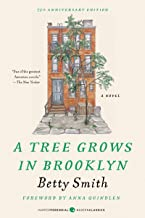
A Tree Grows in Brooklyn

by Betty Smith

Somehow, I missed this classic coming of age story when I was a kid. Shame. A Tree Grows in Brooklyn is a startling, unsentimental portrait of growing up poor in Brooklyn in the first years of the 20th century (the book ends with rumors of war). It doesn’t gloss the ugliness of abject poverty, alcoholism, sexual violence and ethnic conflicts yet it neither preachy nor maudlin. The characters are given the dignity of being complex, alive and changeable. Unmissable.

Cool for the Summer

by Dahlia Adler

This contemporary novel about a teenager girl exploring her sexuality is the best of a whole bunch I read on said theme. Middle schoolers desperately need affirmative, healthy messages about sex and sexual identity. The protagonist of Cool for the Summer is awkward, confused, obnoxious and authentic. She drinks, she swears, she screws up. She starts to figure out how to figure it out. When she finally kisses her new girlfriend at the end, there is a satisfying sense of hard-won self-awareness and acceptance.

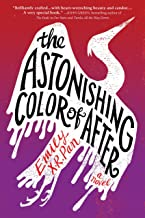
The Astonishing Color of After

by Emily X.R. Pan

Apparently, this novel about a girl coping with the aftermath of her mother’s suicide is ‘magical realism’, a genre I would cross the road in front of a speeding semitruck to avoid, in most instances. In this instance, the fantastic and surreal are an effective (perhaps essential) means for communicating the displacement of grief. The protagonist’s gradual immersion in her mother’s language (Mandarin) and birthplace (Taiwan) offers hope and challenge, and, for the reader, insight into the complexities of biracial identity.

Long Way Down

by Jason Reynolds

This novel-in-verse won all the awards, and rightly so. It follows the 15-year-old protagonist as he takes a long, slow elevator ride towards destiny. Will he use the gun tucked in the back of his trousers to avenge his brother’s violent death? Or will he break The Rules? The pacing is taut, the use of language superb, and the voices unforgettable.

A Single Shard

by Linda Sue Park

This was officially my first foray into historical fiction about 12th century Korea. Let it be yours. The amount of research packed into every page makes me quiver with admiration for its author. Middle school kids probably won’t notice or care about all the work behind the scenes, though, they’ll be too busy chewing through the crisp, lovely prose about a young orphan’s apprenticeship to a master potter and the tough choices he has to make.

Heaven

by Mieko Kawakami

I’m not sure if this is properly an adult novel with YA characters, or a YA novel. In any case, it’s fantastic for 8th graders, as it is a tough, unsparing exploration of issues that many kids face: bullying, divorce, parental absence, social awkwardness, sexual frustration and suicidal ideation. Don’t be misled though; it is anything but grim. There is life, and hope, which feels all the more authentic for being complicated.

All the Broken Pieces

by Ann E. Burg

Another novel-in-verse, told in the first person by a Vietnamese boy who was adopted by a couple in the United States after the war. The struggles with traumatic memories, guilt, racism and alienation are predictable. What is not is the heart-rending yet uplifting way he learns to cope, with a little help from his parents, a disabled baseball coach and a room full of veterans.

Frankly in Love

by David Yoon

This is just your typical hyper-ambitious YA novel that deals with racism, immigration, generational conflict, sex, friendship, LGBTQ+ identity and academic pressures. Just kidding. There is nothing typical about this fast, funny but also totally serious novel about a boy leading a double life: calculus-conquering son of Korean immigrants by day and kinda clueless, hopped-on-hormones American teenager who just wants to have fun.

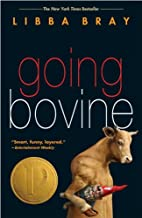
Going Bovine

by Libba Bray

To paraphrase Hunter Thompson, when the going gets weird, the weird go bovine. I stumbled across this while looking for postmodernist teen fiction and boy, is it that. A fast-and-loose riff on Don Quixote, it is packed with drugs, sex, bad decisions, talking garden gnomes, fatal neurological conditions, magical jazz artists and… really, just read it. Preferably in one sitting. It’s louche, loud and OTT: perfect for older teens.

The Story that Cannot be Told

by J. Kasper Kramer

Inspired by Romanian history and folklore, this ode to the power of words follows a girl growing up in the insane reality of the late days of Ceaușescu’s dictatorship. Peril is always close to hand, often due to her innocent mistakes, but stories have a way of helping make sense of things. And of changing the endings of real-life situations. This is a perfect book for kids who like historical fiction, folktales and fantasy.

Recommend a great book for middle schoolers in the comments, or Tweet @CilaWarncke

A short quarantine reading list

read

Photo by Lilly Rum on Unsplash

Even before a ton of ordure hit the propeller-style cooling device I’d only read three books this year.

Three. 

Since the age of six or seven I’ve been capable of reading three average-length books a day. Once, when I was about 9, I read 1,000 pages in a day, to see if could.

On another occasion (again, pre-teen) I read The Lord of the Rings trilogy in three days.

The point I’m sidling towards is that it is a sign of spiritual/ emotional/ logistical malaise when my word-consumption dips to such low levels. (The other obvious conclusion is I was backward as a kid, which is fair, but there were reasons.)

Being almost too far gone in anxiety to even read a book is new and unnerving. Books have always been a reliable portal away from the unappetitliche present, but the present present has got me so tied in knots I’m afraid to miss anything.

Initially, I tried to negotiate this in my usual Protestant, eat-your-beet-greens-they’re-good-for-you fashion. That is, I started a book about Palestine. If there is one thing more depressing than coronavirus, it’s the situation of Palestine. Reading about children getting shot with tear-gas canisters and all the other interminable head-fucking brutality of the Israeli occupation was enough to make me think that maybe enough humans are ugly enough that we all deserve to be wiped out by a virus.

Not reading material for these times.

After that failed effort, I didn’t read anything for a few days. Then my friend Nick emailed and it turned out I bought his book (presciently titled It Gets Worse) last year and forgotten to read it. That’s like discovering the bottle at the back of the cupboard you thought was cheap emergency plonk is a fantastic vintage meant for a special occasion.

This is a special occasion.

So, I’m (finally) on my way to having read four books this year. When I finish Nick’s book I may go back and reread his first, Bitter Experience Has Taught Me, because it’s nice to hear a friend’s voice — especially when it is funny, acid, and laden with anecdote.

After that, I’ll try Jane Austen, James Baldwin, Oscar Wilde and Primo Levi.

Disparate, yet equally essential.

All of these writers, including Ms Austen (whose reputation for daintiness is undeserved) exhibit rare levels of integrity, perspicacity and moral clarity. They took the world as it was, but refused to accept the supposed constraints of that relationship.

And they, one and all, write sentences so good I have to pause and let the wave of admiration/envy/admiration pass. Right now, it’s reading for pleasure, or not at all.

book2

Photo by bruce mars on Unsplash


Ibiza Noir on Kindle

My novel Ibiza Noir is now available on Kindle.

Noir_Palm

Amazon.com: http://amzn.to/2CRdv1q or on Amazon.co.ukhttp://amzn.to/2FbRQP4

Sex, drugs, greed and loneliness draw three strangers into a perilous alliance beneath the pulsing strobe lights of an Ibiza nightclub. Lou, Sally and Calum are thrown together as their private sorrows and deep longings pull them into the chaotic hedonism of the world’s most famous party island. Their lives entwine in the white heat of summer as they chase increasingly elusive dreams. Lou craves a home and falls in love with Sally’s boss, Vivienne, the duplicitous coke-addicted owner of Moulin Noir nightclub. Sally will do anything for money and freedom, and watches in horror as Vivienne runs Noir to ruin. Disenchanted journalist Calum wades into the maelstrom in search of a career-making story, but finds himself falling for Sally’s brittle beauty. When a terrible event occurs they each have to decide what to rescue, what to leave, and who they want to be.

To be continued…


Holiday Reading 2017

Having been bludgeoned with Christianity from infancy, I’m over the away-in-a-manger stuff. Books, though, are one aspect of childhood Christmas I revisit with joy.

Christmas was prime new book time. The rest of the year my siblings and I got what books our parents could afford, which is to say, we went to the library. December 25th was one of the rare occasions we could count on one or two new volumes for our personal collection.

This year, my holiday reading echoes the old pattern. One library book (digital now), one Kindle purchase, and one old-fashioned paperback from a charity shop in Crouch End.

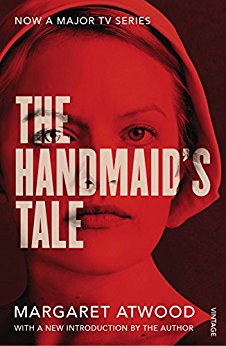
handmaids taleThe Handmaid’s Tale came courtesy of the library. I don’t get Atwood aesthetically in the same way I don’t get, say, Thomas Wolfe or D.H. Lawrence. Her politics are admirable though. Astute women are writing and talking about The Handmaid’s Tale so it seemed like something I should have a first-hand opinion on.
Which (not that you asked) is that the novel puts Atwood perilously close to being the Ayn Rand of the left. Admirable politics, yes. But cardboard characters prodded around a stage so ripe with Symbolism that I wanted the whole damn wooden set-up to burn. I see now why it is being hailed as visionary: it’s dumb enough that even people who didn’t see Trump coming can grasp the Badness of the Bad Things that happen in it.

What’s disappointing is that Atwood can be a fine writer. (I realise, writing these words, that all hell would break loose if anyone read this blog. She has won a thousand awards and sold a million novels. Who the hell am I to criticise? Just a reader.) Her novel Cat’s Eye is rich and absorbing. The Handmaid’s Tale is pure bully pulpit blather, though. She (a woman of intelligence) didn’t trust her readers with anything subtler than a sermon.

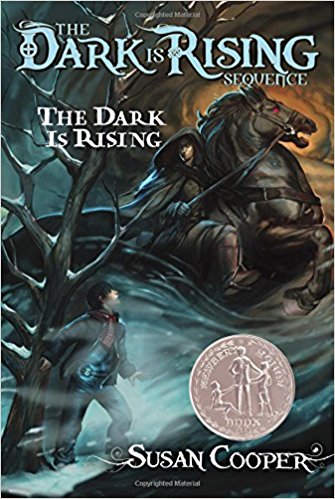
dark is risingTo my delight, Susan Cooper didn’t make the same mistake in The Dark is Rising. Full confession, I’d never heard of it till reading a Guardian column that sang its praise. Normally, I avoid fantasy and children’s books in equal measure, but sometimes it’s good to bend the rules. The Dark is Rising reminds me of many of the books I loved as a kid: The Lord of the Rings, The Hounds of the Morrigan, King Arthur and the Knights of the Round Table, and The Chronicles of Narnia. It is pastoral, charming, and very very English. I blazed through it.

That treat consumed, I picked up Breakfast At Tiffany’s. This is maybe the third copy I’ve owned. It is one of those books I buy, give away, then buy again. I started with the final story in the slim Penguin Modern Classics paperback, “A Christmas Memory”. Capote’s evocative account of his boyhood Christmas made me weep, even though I know the ending. IMG_20171226_182805

Then I flipped back to the beginning and reread Breakfast at Tiffany’s, marveling at his use of language, description, and the curious fact that leggy, stuttering Mag Wildwood is given the full name Margaret Thatcher Fitzhue Wildwood. In 1958, when the book was published, Thatcher was an up-and-coming Tory politician. A Capote in-joke?

IMG_20171226_182814

Breakfast at Tiffany’s was the perfect starter for a Flannery O’Connor short story collection, A Good Man is Hard to Find. The eponymous opening story is deliciously agonising. O’Connor’s genius is that she doesn’t tell you anything. She just lines words up on the page and you hurry along, captivated by their perfect inscrutable order, until you crash face first into the gruesome conclusion.

O’Connor is the anti-Atwood. Nothing in her writing suggests she cared if her readers got it. She wrote. I know which I prefer.

What did you read over the holidays? Share in the comments. 


Agents – The Numbers Game

Yesterday I hit 75 on my agent hunt. Seventy-five lines on an excel sheet each with name, website, email, and a note of the date and pitch delivered. I may as well have made 75 copies of my novel, stood at the top of a cliff and chucked them ceremoniously into oblivion. This shouldn’t discourage me (most of the time I know my duty is to write well, and the rest be damned) but it does.

When another brusque rejection arrived I burst into tears. Voices babbled in my head: You are never going to publish a novel. If you do, nobody is going to read it. You are a fake, a flake, a lazy greedy over-educated under-producing parasitic loser who should have gotten a real job before it was too late. You are going to die broke and alone. You suck. Et cetera.

This could be true, if I let it. But after bawling for a few minutes, sense started to leach in. All the sages I respect (dead and living) make the same case:

“You have the right to work, but for the work’s sake only. You have no right to the fruits of work” ~Bhagavad Gita
“[Do] not long for anything if it be not given” ~Epictetus
“For us there is only the trying” ~TS Eliot

Some days, trying is a drag, the last thing I want to do. The alternative, though, is to let all the miserable, mean, self-pitying thoughts turn themselves into reality. As long as the spreadsheet is growing, there’s hope.

effort