17 – Cheryl Strayed on Memoir

This was written for Ideas Tap, an organization (sadly now defunct) that supported young people pursuing the creative arts. Cheryl Strayed, whose Tiny Beautiful Things was my bible for several months, was as generous and gracious by phone as she is on the page. A case of meeting one’s heroes not going wrong.

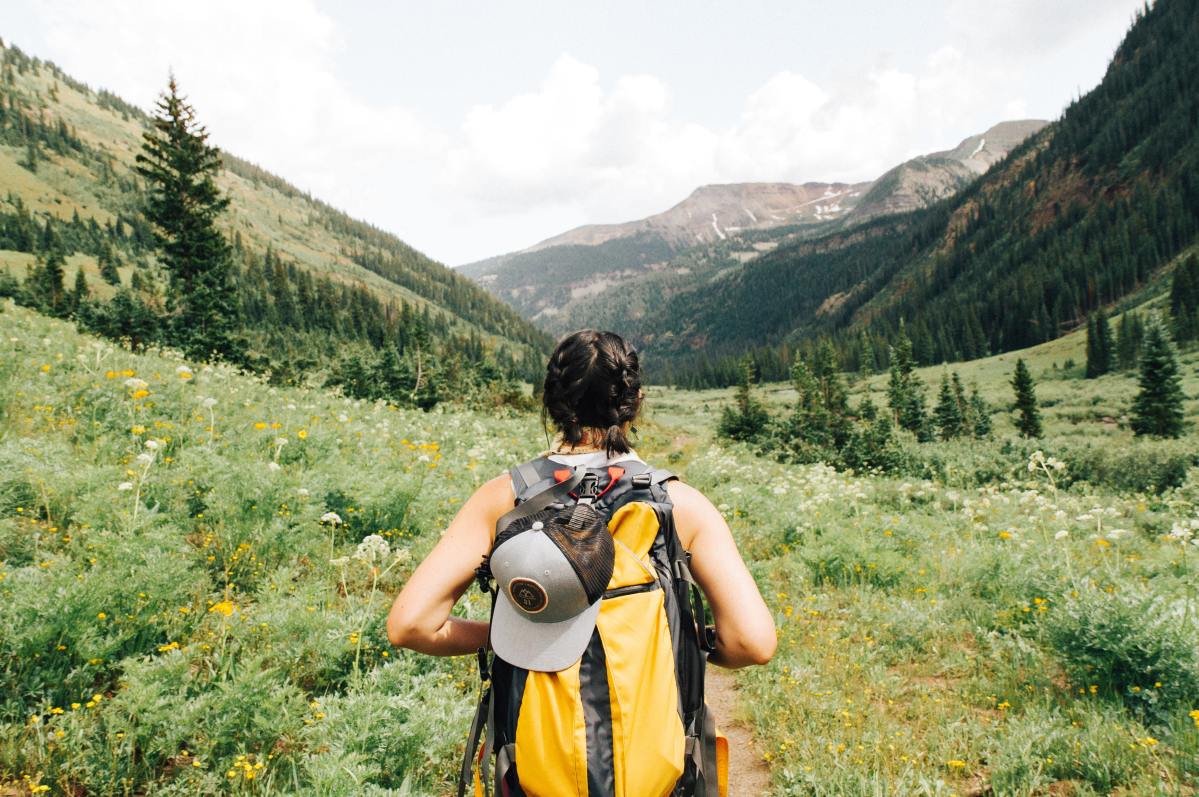
Photo by Holly Mandarich on Unsplash

After writing her first novel, Cheryl Strayed turned to memoir and wrote her New York Times bestselling book Wild, about her 1,100-mile hike along the Pacific Crest Trail in the wake of her mother’s death. Here, Cheryl tells Cila Warncke about mining memory and sets us to work with a writing exercise…

How does the emotional experience differ between writing fiction and memoir?

It doesn’t. To write fiction well you have to inhabit the consciousness of the characters you’ve created. With non-fiction there’s an extra layer of intensity because the character you’re building is yourself.

When writing memoir, how do you build yourself as a character?

The only way you can build yourself is to dismantle yourself. To take apart who you are, what your assumptions have been, what you hope people think of you. You can’t write: “I’m pretty and cool and awesome and interesting” because everyone would hate you. You have to say: “I’m human. Here are positive things about me. Here are negative things about me. And here are things that don’t make sense, don’t add up, and I’m going to present them to you”. Writing is like the deep work you do in the course of therapy where you take yourself apart.

What memory aids do you use?

I naturally have a very good memory – I think a lot of writers do. I kept a journal through my 20s and 30s. That helped me a lot in writing Wild. I do research where I can, going back and looking at pictures for example. When most people imagine what a memoirist does they think: “I don’t remember anything from high school, from 20 years ago”. But they do remember – they just think they don’t.

How can writers elicit those memories?

The process of writing is re-conjuring memories. It’s doing things so more memories come to you. Even looking at a photo can allow you to remember something accurately. The process is like running into an old friend from back in the day, somebody you knew 20 years ago. When you first start talking you only know a few things about each other. But as you talk and go deeper into your lives you remember things you thought you had forgotten. Just because you haven’t thought of something for years doesn’t mean you don’t remember it, it just means it takes a little work to access it. When I was writing Wild I’d think, “I don’t remember, I just walked” but once I started writing my mind would open up to specific memories.

Do you draw heavily on your own life for your fiction?

You’ll see a lot of details from my life. My next novel is set in Portland [where I live]. None of the characters in the book are me but there are all these little tendrils of the story that you can trace back to me.

How do you deal with writer’s block?

I never call it “writer’s block” but I always have trouble beginning. Writing is hard. I resist writing. I run from it. If I am left alone with a laptop I flounder for an hour or two, then I sink in and I’m in the zone. When I get stuck I go for a walk, come back and try again. I don’t force it. If something isn’t coming, I move on; that’s a good strategy for me.

How long did it take to write your first book, Torch?

Your first book is so hard because you don’t know how to write a book and there is no way for anyone to tell you. It turns out the only way to learn how to write a book is to write a book. I avoided finishing [Torch] for fear of failure, until the point where the fear of failing to finish was bigger than the fear of finishing a book that was terrible. I worked on it for about ten years in total, three years really diligently.

How did you overcome that fear of failure?

Once I let go of the idea that I was going to write a great book, I was able to write a book. I let go of any ego or fear or shame. That was an important moment in my writing life. None of us really knows what kind of book we’re writing. A lot of people think they’re writing brilliant books and they’re terrible. And the reverse is true too. It isn’t up to us to judge our books; it’s up to the people who read them.

In Focus: Writing exercise using objects

I take random objects out of my handbag like lipstick, a ten-euro note, and a pair of sunglasses, and tell my students to pick one and write a story about it.

To begin writing you begin with an image. You begin with a feeling. I encourage people to start writing and not think about it too much. Even if you have a good idea, usually once you start writing it will become something else.

I could do that same exercise with the world’s Nobel Literature Prize winners and something would come of it. Perhaps what came of it would be better than what comes to my students, but that’s how the [Nobel Prize winners] do it too – they begin with something then they make something else.


8 – Farewell to Trash

One of the first clubs I went to in London, sometime in ’99, was Trash at the Annexe in Soho, where I danced with a boy in leather trousers because he looked a little like Brett Anderson. A weekly Monday-night debauch helmed by soft-spoken musical genius Erol Alkan, Trash became one of most influential (and popular) clubs of the early Noughties. It was a huge privilege to cover its final party in Jan ’07 for Mixmag.

Photo by Hendo Wang on Unsplash

Everyone’s huddling against the walls to avoid the spitting rain. It’s not just any Monday night, it is Trash’s 10th birthday – and their farewell party. After a decade of trendsetting, musical innovation and eye-popping fashion Erol Alkan and friends are bowing out. These days Trash’s giddy mix of sex, dance and rock ‘n’ roll is standard practice, but it wasn’t always. “What everyone’s doing now, in terms of live music in clubs, Trash did years ago,” observes Liam O’Hare, The End’s general manager. From its earliest days at Plastic People, to its stint in Soho’s Annexe, to its triumphant years at The End, Trash has become a byword for what’s fresh and adventurous in clubland.

So much so no one is surprised at the volume of bodies crowding the pavement. “It’s the Blitz spirit,” 28-year-old Sam observes, looking over his shoulder at the throng flowing seamlessly around the building till it comes face to face with itself. Everyone’s smiling, talking to strangers. Sam passes around a bottle of Strongbow. A blue-haired girl called Charleigh and her bandmates are discussing the video they’ve just shot. Like Bloc Party, Klaxons and New Young Pony Club before them the budding pop stars are regulars. “I can’t remember most of it,” she confesses.

Charleigh’s not the only regular with amnesia. Graham, a 24-year-old roadie who has been coming for five years says, “You don’t remember the really good nights.” He does remember, though, how Trash changed his life. “Where I grew up in Essex even wearing a white belt was asking for a fucking smack. Trash was the first place I fit in. I used to come on my own and just dance. Then I’d wait till 6am to get a train home. Without it, I wouldn’t be the person I am today,” he says. Inches away a girl is swinging from the ceiling, knickers flashing. No one pays any attention. If you want a fashion eyeful just look around: there’s the bearded bloke in an apron, the pint-sized brunette wearing Superwoman-style pants and suspenders, the trio sporting multi-coloured rave gear.

“Trash is a one off. It’s the people that make it,” Rory Philips says. A resident DJ for nearly seven years, Rory’s seen a lot happen on the dancefloor. “One of my friends married a girl he met at Trash. No surprise really, it’s been ten years of drunken fumbling,” he chuckles. As if to make his point a couple reel past, joined at the lips. There’s an air of barely controlled chaos as The Lovely Jonjo whips up the crowd. “I was getting quite tearful,” he says later, but it doesn’t show. Jonjo is typical of the parade of clubbers who’ve reinvented themselves at Trash. He started out as a door picker but “hated it.” So when Erol invited him to DJ instead he jumped at the chance. “I get all soppy when I talk about him. He’s been a mentor to me.”

As the newest member of the Trash crew Jonjo reacted like many fans did to the news it was ending. “I was upset, devastated really.” For a lot of people it was a question of: why cut off a night in its prime? “There’s a lot I want to do I couldn’t do with Trash every week,” says Erol, who missed one night in a decade.

“A lot of people talk about going out on a high, but carry on. We didn’t want to outstay our welcome,” Rory adds.

Jonjo’s come around to the idea. “My first thought was, ‘this is over’. My second reaction was, ‘if I don’t grab it by the balls someone else will.’” By “it” he means Durrr, the new Erol-endorsed Monday night at The End where Jonjo and Rory will preside over a rotating cast of DJ talent and new bands. “We’re going to get a breath of fresh air. You need to embrace change.”

Change is on everyone’s mind tonight. Trash will be missed. Joost is over from Amsterdam, resplendent in a handlebar ‘tache and a tee-shirt reading Kids Want Techno. “There’s nothing like it in Europe,” he shouts over the music. There’s nothing like it in London either. George, another half-decade veteran, is sweating his glittery green eye shadow off as he waits in the crush by the bar. It took him two and a half hours to get in, and it’ll take him another forty minutes to get a drink, but he’s happy to be here. Where else can you get beaten up by Selfish Cunt? “He just grabbed me by the throat for no reason!” he shrugs, smiling brilliantly.

Celebrities, violent and otherwise, are part of the fabric of Trash life. Everyone has their favourite. Rory plumps for Suicide, Erol for Gonzales, Jonjo remembers Kelly Osbourne and Simon Amstell queuing (separately). “Grace Jones came once. She doesn’t queue!” he laughs. Liam O’Hare fondly remembers the Yeah Yeah Yeahs. He saves his highest praise for Erol though. “I had faith in him and he’s never let me down. He’s always pioneered.”

It’s a compliment Erol would be pleased with. Stepping up to the decks, wearing his trademark specs and an inside out D.A.R.E. tee, he is an unlikely focal point for frenzied adulation, but there’s hysteria in the air. Outside riot police have arrived to calm a crush of disgruntled clubbers. “We can make this a funeral or a celebration,” he says. Then he drops LCD Soundsystem’s ‘Losing My Edge’ and the crowd erupts. They get the joke. Later, when the dust has settled, he says softly, but very emphatically, “The only thing I’m frightened of is resting on my laurels. I relish the future.” For now, Trash’s loyal following is relishing the present, and the string of favourites ricocheting around the room. ‘Take Me Out’, ‘Danger! High Voltage’, ‘Lust For Life’ and, finally, at 4AM, long after reality has melted away, ‘Dancing Queen.’ Manager Liam should be on holiday, but he’s here instead, beaming. “It’s like the last party on earth!” Surrounded by the blurred grins and flailing limbs one thing’s certain: if this were the last party on earth no one here would mind.

This originally appeared in the print issue of Mixmag.

Photo by Mike Von on Unsplash

7 – Spiritualized Review

The following album review was written for Pennyblackmusic. Though I still have a soft spot for this histrionic masterpiece, I’d hesitate to call it a ‘favourite album’ now. Yet am pleased not to be embarrassed by my 22-year-old-self’s assessment. It was fair and not dumb, which is more than can be said for a lot of things I did at 22.

Photo by Lee Campbell on Unsplash

Like some kind of drugged-up, post-modern Virgil, Spiritualized front man Jason Pierce takes his audience on a pitch black, tragi-comic journey on their epic 1997 album, ‘Ladies And Gentlemen We Are Floating In Space’.

Pierce weeps and storms his way through his own personal hell for seventy soul-searing minutes. Unsettling shouldn’t be the word to describe what this sounds like; and it isn’t. Rather, Spiritualized creates music as luscious, as monstrous, as egotistical as grief itself.

Unashamedly epic, ‘Ladies And Gentlemen…’ harks back to a time when rock bands weren’t afraid of endless solos, massive orchestrations and wilful musical indulgence. The closest thing to a conventional radio-friendly tune is the anomalous ‘Electricity’ (which was still cut before its release as a single) which marks an uneasy boundary between the yearning sadness of the first half of the album and the defiant bitterness of the second.

Eponymous opener ‘Ladies And Gentlemen…’, ‘All Of My Thoughts’, and ‘Stay With Me’ all ooze heart-rending ‘I’ll do anything to get you back’ desperation. “Don’t know what to do by myself / Cause all of my time was with you,” (All Of My Thoughts) Pierce sings, voice bubbling over with emotion so raw it’s almost debasing. There’s nothing more painful, or more transfixing, than someone who will do literally anything to win back their lover, and listening to Pierce teeter on the sharp edge of total self-abnegation is horror-flick-style peeking-between-your-fingers voyeuristic ecstasy.

After the momentary respite of pop fantasy ‘Electricity’, the tone becomes less resigned, less measured. The bubble, it seems, has burst, and deep down he knows she’s never coming back. Any semblance of ‘coping’ disappears in paroxysms of rage, defiance, apathy and suicidal despair – and under a barrage of pharmaceuticals.


“I don’t even miss you,” Pierce claims (Home Of The Brave) then admits in the next breath, “but that’s ‘cause I’m fucked up.” He injects quavering glamour into the image of having breakfast “right off of the mirror,” and embodies junkie bravado with, “I’m too busy to be dreaming of you / There a lot of things that I’ve gotta do.”

Like all addicts – whether to love, heroin, or softer drugs – Pierce is, ultimately, selfish as hell. Which is the guilty pleasure of Ladies And Gentlemen… we all tumble into black holes of solipsistic grief sometimes, and its nice to have something to listen to while you wait for the light at the end of the tunnel.

Read the original at Pennyblackmusic.

6 – Trembling Blue Stars

The following excerpt is from an interview I did for Pennyblackmusic in Dec ’01 or Jan ’02. I’d only been in London a couple of months and found the West End as dizzying as did Mr Wratten. Despite being one of my first profiles, this remains one of my favourite pieces. You can read the full feature at Pennyblackmusic.

Photo by John Higgitt on Unsplash

The first thing you’ll notice about Trembling Blue Stars frontman Bobby Wratten is that, well, nothing stands out. No requisite dangling cigarette, no Mick Jagger sneer, not even any Bono specs, just a very slender, slightly balding man with light hair, blue eyes and a spaniel smile; a thoroughly unprepossessing rock star. Not that Bobby would like the term rock star: too clichéd, too aggressive.

Wratten doesn’t appear to be fond of the hectic or overstated. Even on a weeknight the routine bustle of London’s West End seems to unnerve him slightly. And he only looks marginally more comfortable settled into a low-lit pub. He’s not, it turns out, drinking orange juice in deference to his slight cough; he just doesn’t drink. Most of the nervousness, though none of the soft-spoken courtesy evaporates though as Wratten begins to talk about what really interests him – his music.

Though for someone who has devoted his life to making music, Wratten didn’t have a particularly polished beginning. Wratten confesses that he and [bassist] Michael Hiscock “couldn’t even tune our guitars,” in the early days of his first band, The Field Mice. When asked how their now-cultishly-adored whispery, twee-pop style developed he smiles, “you copy the bands you like and get it wrong, so that’s where you end up.” But press on and ask what bands he liked as a youngster and he rather incongruously names The Jam, The Clash, XTC, and Joy Division.One wonders exactly what strange things have to happen to bass and guitars, etc to get – accidentally – from The Clash to The Field Mice, but then the studied innocence of Wratten’s expression hints that he’s being more than a little disingenuous. And when he adds that, “there was nothing deliberate about any of it” it seems certain that the dim light of the pub is masking a twinkle in his eye.

After all, he insists that his music is neither as sad, nor as obsessive as some might like to believe. The acrimonious break-up of The Field Mice is well documented, as is the subsequent formation of Northern Picture Library by Wratten, and fellow former-Field Mice Annemari Davies and Mark Dobson. Even more legendary is the break-up of Annemari and Bobby’s long-term relationship, which led to the dissolution of Northern Picture Library after just one album and a handful of singles.

A self-professed incurable romantic, Wratten says, “like the idea you have a soul mate,” which goes a considerable way towards explaining the raw sadness captured in many of his lyrics. “I wrote a lot of songs about Annemari,” he says, perhaps understating the case just a little. The Trembling Blue Stars debut ‘Her Handwriting’, released in 1994, is an unabashed hankie-wringer of a CD recording the emotional devastation that came in the wake of the split with Davies. Unsurprisingly, Wratten reports that Davies declined to sing on ‘Her Handwriting’, though by the time he’d written the second Trembling Blue Stars record, ‘Lips That Taste Of Tears’ his ex-girlfriend was ready to rejoin him in the studio.

Which he claims is not at all creepy, in an “Every Breath You Take” kind of way. “I don’t [write songs about Davies] anymore but people still think I am, it’s just kind of funny,” he says. Then by way of supporting evidence points out a lyric from the third TBS record, ‘Broken By Whispers’: “it goes, ‘the way we left it was you would call,’ [from ‘Sometimes I Still Feel The Bruise’] which I thought made it pretty obvious that it was about someone you weren’t in contact with, but Annemari was in the studio with me when I recorded it!” What’s more, he says, they are good friends outside the studio as well; Davies minds his house for him when he’s away. Which, most recently, was on Trembling Blue Stars inaugural tour of the States. Their American label, Sub Pop funded a multi-city junket, which Wratten thoroughly enjoyed. “[We’re] treated more seriously [there]” he says; possibly, one imagines, because Americans prefer to forgo the irony that Britain almost requires of its musicians.

Not that all their tour was spent in front of fawning audiences; in Portland, OR Trembling Blue Stars were booked to play a club called Dante’s – a seedy gay/leather sort of club.“ There were a few people in front who were there to see us, and a lot of people who just looked confused… but there were no disasters” Wratten recalls. Playing bars and clubs also meant that the shows tended to start late, after a long day of driving (the band navigated all the way from New York to San Francisco in the course of their tour), so “you play the first song three times as slow as it should be.” And instead of throwing yourselves a backstage shindig afterwards, apparently, you pack up and climb back into the van for some kip. “We weren’t very rock’n’roll,” Wratten explains, unnecessarily.Though in a world where“quiet is the new loud”, sleeping, chatting, and hanging out at truck stops may be new rock’n’roll.

In any case, returning to Mitchum, South London was a bit of a jolt, “it felt really strange coming home to nothing… we don’t really know what happens next,” he says, betraying for the first time a sense of anxiousness. This has something to do with their bassist leaving the band at the end of the American tour, and perhaps more to do with the fact that Trembling Blue Stars have already far overreached their intended lifespan. Her Handwriting was meant to be a one off record, and now, four albums later Wratten still believes you should “treat each record like it’s the last one you’re ever going to make.” Great for raising the artistic stakes probably, but surely stressful?

Read the full feature at Pennyblackmusic.co.uk

1 – The Wrongs of the Religious Right

January 27th is my 41st birthday. To mark the occasion I am going to post 41 pieces of my published writing — one a day for the next few weeks. Some are minor triumphs; others capture a moment; others are naive and flamboyant. But they matter, to me anyway, because they are the warp and woof of my life.

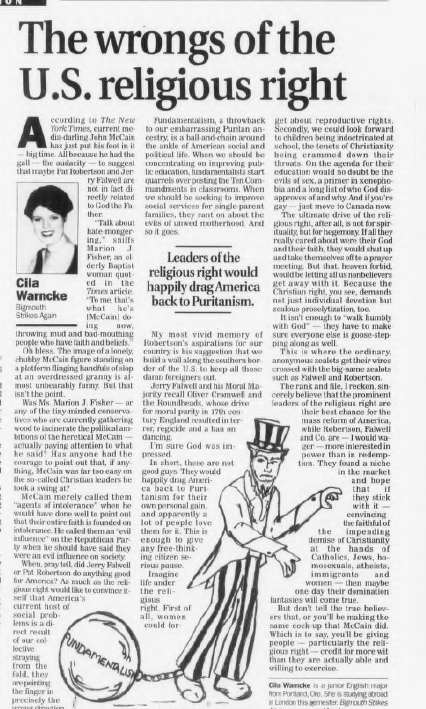
The following column appeared in The Daily Pennsylvanian on Monday, 6 March 2000. The same day, as it happens, that I got my first tattoo before getting blotto at my best friend’s birthday party.

The wrongs of the U.S. religious right

‘Bigmouth Strikes Again’

According to The New York Times, current media-darling John McCain has just put his foot in it — big time. All because he had the gall — the audacity to suggest that maybe Pat Robertson and Jerry Falwell are not in fact directly related to God the Father.

“Talk about hate-mongering,” sniffs Marion J. Fisher, an elderly Baptist woman quoted in the Times article.

“To me, that’s what he’s doing, throwing mud and bad mouthing people who have faith and beliefs.”

Oh bless. The image of a lonely, chubby McCain figure standing on a platform flinging handfuls of slop at an overdressed granny is almost unbearably funny But that isn’t the point.

Was Ms. Marion J. Fisher — or any of the tiny-minded conservatives who are currently gathering wood to incinerate the political ambitions of the heretical McCain —actually paying attention to what he said? Has anyone had the courage to point out that, if anything, McCain was far too easy on the so-called Christian leaders he took a swing at?

McCain merely called them “agents of intolerance” when he would have done well to point out that their entire faith is founded on intolerance. He called them an “evil influence” on the Republican Party when he should have said they were an evil influence on society.

When, pray tell, did Jerry Falwell or Pat Robertson do anything good for America? As much as the religious right would like to convince itself that America’s current host of social problems is a direct result of our collective straying from the fold, they are pointing the finger in precisely the wrong direction.

Fundamentalism, a throwback to our embarrassing Puritan ancestry, is a ball-and-chain around the ankle of American social and political life. When we should be concentrating on improving public education, fundamentalists start quarrels over posting the Ten Commandments in classrooms. When we should be seeking to improve social services for single-parent families, they rant on about the evils of unwed motherhood And so it goes.

My most vivid memory of Robertson’s aspirations for our country is his suggestion that we build a wall along the southern border of the U.S. to keep all those damn foreigners out.

Jerry Falwell and his Moral Majority recall Oliver Cromwell and the Roundheads, whose drive for moral purity in 17th century England resulted in terror, regicide and a ban on dancing.

I’m sure God was impressed.

In short, these are not good guys. They would happily drag America back to Puritanism for their own personal gain, and apparently a lot of people love them for it. This is enough to give any free-thinking citizen serious pause.

Imagine life under the religious right. First, women could forget about reproductive rights. Second, we could look forward to children being indoctrinated at school, the tenets of Christianity being crammed down their throats. On the agenda for their education would no doubt be the evils of sex. a primer in xenophobia and a long list of who God disapproves of and why. And if you’re gay — just move to Canada now.

The ultimate drive of the religious right, after all. is not for spirituality, but for hegemony. If all they really cared about were their God and their faith, they would shut up and take themselves off to a prayer meeting. But that, heaven forbid, would be letting all us non-believers get away with it. Because the Christian right, you see, demands not just individual devotion but zealous proselytization, too. It isn’t enough to “walk humbly with God” — they have to make sure everyone else is goose-stepping along as well.

This is where the ordinary, anonymous zealots get their wires crossed with the big name zealots such as Falwell and Robertson.

The rank and file, I reckon, sincerely believe that the prominent leaders of the religious right are their best chance for the mass reform of America, while Robertson, Falwell and Co. are—I would wager—more interested in power than in redemption.

They found a niche in the market and hope that if they stick with it —convincing the faithful of the impending demise of Christianity at the hands of Catholics, Jews, homosexuals, atheists, immigrants and women — then maybe one day their domination fantasies will come true.

But don’t tell the true believers that, or you’ll be making the same cock-up McCain did.

Which is to say, you’ll be giving the religious right credit for more wit than they are actually able and willing to exercise.

Cila Wamcke is a junior English major from Portland. Ore. She is studying abroad in London this semester. Bigmouth Strikes Again appears on Mondays.

The Future? Don’t Bet on It

Last year, Chris and I spent Easter week with our dear, long-long-long-standing friends
C & R in Yorkshire. On the edge of the moors. Next door, it transpired, to my ex-boyfriend (who, true to form, was smoking on the front porch as I had my first cup of coffee).

Twelve months ago, someone I’d met and dated in Ibiza turning up next-door in a northern English was cause to murmur, small world.

dav

Yorkshire bluebells

Today, proof of the world’s smallness is inescapable and grim. The ticker-tape death toll mounts, the number of official coronavirus cases races towards two million and even the most fortunate of us hunker at home, waiting for a future that might never happen (that’s cribbed from Mavis Gallant, who wrote exquisitely about societies in meltdown and the delusions they cherish on the way to the flames).

There seems to be a split take on COVID-19. Either, it’s going to usher in hitherto unimaginable era of mutual support and higher consciousness or we’re going to be dragged (resisting or not) back into the machine and crushed between the cogs of resurgent capitalism.

The latter argument is ably made by Julio Vincent Gambuto in his viral Medium piece ‘Prepare for the Ultimate Gaslighting‘ in which he writes, plausibly:

What is about to be unleashed on American society will be the greatest campaign ever created to get you to feel normal again. It will come from brands, it will come from government… the all-out blitz to make you believe you never saw what you saw. The air wasn’t really cleaner; those images were fake. The hospitals weren’t really a war zone; those stories were hyperbole. The numbers were not that high; the press is lying. You didn’t see people in masks standing in the rain risking their lives to vote. Not in America.

On the chirpier side of the fence is Rebecca Solnit who writes in ‘The impossible has already happened: what the coronavirus can teach us about hope‘ (published last week in the Guardian):

When a storm subsides, the air is washed clean of whatever particulate matter has been obscuring the view, and you can often see farther and more sharply than at any other time. When this storm clears, we may, as do people who have survived a serious illness or accident, see where we were and where we should go in a new light. We may feel free to pursue change in ways that seemed impossible while the ice of the status quo was locked up. We may have a profoundly different sense of ourselves, our communities, our systems of production and our future.

(To be fair, Solnit is no Pollyanna. Most of her longform piece details how fucked things are and how stacked the cards are against people trying to unfuck them.)

It says something about my own wiring that I feel compelled to take sides, to argue the case. Coronavirus has turned me into armchair experts. Like a sad gambler, I stare at screens, watch the numbers, argue my interpretation of the stats, have opinions about things I zero right to opine about (South Korea’s testing policy! Sweden’s schools!)

This impulse has  to do with lack of control. I value knowing things, having well-formed and well-informed ideas. In other words, I’m an instant relic; a creature who belongs to the bigger yet more predictable world that existed before January 2020.

Taking sides, prognosticating, surmising and supposing are ways to pass the time but little more. (Aside: I was listening to a TED en Espanol talk about coronavirus from 16 March; it felt like  listening to a historical reenactment.)

If this pestilent mess proves anything, it’s that opinion is pretty much beside the point.

Still, if I had place a few bob on an outcome, my money is on business as usual with a twist. Advertisers will come after what’s left of our bank accounts, governments will wrangle for the remaining shreds of our civil liberties, global warming will heat back up and we will not turn into kinder, gentler, better versions of ourselves.

Nonetheless, we may be more attuned to the ludicrousness of the situation, and quicker to say so, to complain or resist. I hope so, anyway.

Above all, a year from now, I hope to be with friends somewhere, drinking, breathing fresh air, gossiping about some minor coincidence. That would be a happy ending.


Love, the Verb

Yesterday, after spending the preceding waking hours running in furious circles and generally comporting myself like a week’s worth of bad news, my friend called.

We’d scheduled a video chat (the vomitous de rigueur of current social interaction) and, armed with a glass of cava, I sat down, propped my feet on an adjacent chair and tried to think happy thoughts.

Within a minute or two of saying hello we were cackling about something.

That’s the first time I laughed today.

A guilt-breaker washed over me. Somehow, I’d found something to share a genuine laugh about with a friend while my partner had heard nothing but bitching all day.

wine1

Photo by Alfonso Scarpa on Unsplash

Love and courtesy

Once, apropos who knows what, a colleague said that one’s family is ‘obviously’ easy to get on with. I argued then, and argue now, that however much and sincerely we love someone, intimacy and proximity often cause carelessness.

I choose, when engaging with friends, to not sulk and storm. My time focused on them is brief so, even on bad days, I can muster the energy to be a slightly better self.

This isn’t falseness so much as simple courtesy. Other people have feelings too, and limited time, and worries. It is unkind to fill up their head space, which is surely every bit as overcrowded and precarious-feeling as mine, with solopsistic whinging.

But when you’re with someone round the clock, for the indefinite, it is easy to feel like every moment doesn’t count. Like, it’s okay to be grumpy and skip showering because he’s going to be here tomorrow (and the next day, and the next day).

Slipping into this perilous relaxation happens when we treat love as a noun. I love him, he loves me, ergo I can do what I like.

Fair is fair

The trouble is reconciling my bellyaching inner child with the duties of an adult relationship. I’m an individual, entitled to feel and express my feelings. Granted.
My partner is also entitled to not live with a whiffy harpy.

Excuse me while I shove a tea-towel in the gob of the me, me, me voice in my head.

It is only right to acknowledge that my rights end when they being to infringe on someone else’s. Yes, I have every right to curse, moan and carp; but when my crappy mood blackens the air for both of us, I’ve overstepped.

Basic courtesies like this are what allow us to maintain friendships and relationships. Letting ourselves act and react unchecked is what leads to breakups, meltdowns and guest spots on Jerry Springer (if that’s even still a thing).

Get to work, love

Making it work, in real time, means doing love not just giving ourselves credit for feeling it. Love has to be a verb, or it risks losing any real meaning.

Love, the verb, is making the effort to find something funny or pleasant to talk about, it’s not complaining constantly, it’s taking a shower and remember to put on deodorant, it’s shutting up for a minute and listening, it’s keeping some of the more outrageous paranoid thoughts to yourself, it’s saying ‘we’ll be okay’ even if that seems like a stretch.

Ursula LeGuin, the (Oregonian!) stalwart of goodness, sanity and fine prose, said:

Love is not a thing that happens to us. It’s a thing we do. It’s not a thing that lives inside of us and can be left to its own devices. It’s an action. It’s not an experience. It’s a way of relating.

Of late, my way of relating has been sub-optimal, to put it mildly. Which is, and this I must remember, okay. Only Pollyanna or a complete ditz believes that long-term confinement, financial precarity and uncertainty bring out the best in people.

It can’t be all or nothing anymore though. I can’t be one of those positivity freaks (and would hate myself more if I tried) but that isn’t licence to be unbearable.

For now, I’ll do my best in the circumstances and try to keep faith with love, the verb.

28 Lockdown Days Later

Sometime ago, in the hazy days when freedom still seemed like a possibility, however faint, I wrote a pile of rubbish.

Writing rubbish isn’t an occupational hazard, it’s inevitable. Most writing is crap in the aesthetic/artistic sense: unrefined, hasty, careless, lacking finesse. Ninety-five to ninety-nine percent of anything I write falls in that category and, for the sake of sanity, has to be accepted as ‘good enough’ otherwise I would never make a deadline.

The article for which I need to apologize isn’t that kind of rubbish. It is pure, unmitigated cringe. My strong inclination is to wipe the pile of twaddle titled ‘10 things to do on coronavirus lockdown‘ from the internet and, if it were possible, from my memory.

What kind of grade-A asshole writes, in the face of a global pandemic, things like:

Always wanted a capsule wardrobe? This is the moment to dig through those chests of drawers, wardrobes, cupboards and shoe boxes and sort the wheat from the chaff. If this current crisis demonstrates anything it’s that certainties aren’t. Stop holding on to that sale-rack outfit you bought for the occasion that never happened.

or

Do something with your fingers that isn’t typing. Do you draw? Paint? Sculpt? Throw pottery? Play an instrument? Knit? Quilt? Scrapbook? If you do — awesome. Now you have time to throw yourself into it. Get into the flow and lose a few hours, see what you can create.

The smug wanna-be positivity MindBodyGreen-lite-esque-ness of that makes me want to crawl inside my skin and pop my eyes out from the inside.

What moron writes that?

Er, this one. 

mirror

Photo by Vince Fleming on Unsplash

My words stare at me: the image of myself I don’t want to see.

Worse than silly, worse than naive, worse than tone-deaf, worse than irritating.

Phony. Forced. What she thinks someone (or some algorithm) wants to hear.

Let’s be clear: I have never in my life looked on the bright side. I have never seen the silver lining before the cloud. I have never thought the glass was half-full.

As a kid, I believed neither in Santa nor happiness. Not much has changed.

Though I am conscious of and grateful for the many good things in my life my default setting is not optimism.  My primary emotions are boredom, frustration, fear, and disappointment.

Before COVID-19 I worried about dying without having accomplished anything. Now, after 27 days of my own company, unrelieved by the mental-health saving drudgery of work and other people, that meaningless death feels inevitable — and  my own fault.

The inescapable fear is that if I were a person who could take my own vapid advice (“If you aren’t already studying something, check out online learning resources”) maybe I would have something to show for 40 years on earth. But I’m not and, it seems, I don’t.

No doubt some people are using quarantine to repaint their cupboards, learn Danish or perfect their eclair recipe. Whoever and wherever you are, I salute you.

eclair

Photo by Xenia Bogarova on Unsplash

Meanwhile, I’ve purged zero items from my wardrobe. I’ve read zero books. I’ve written zero letters. I’ve had sex zero times. I’ve made zero playlists.

What have I been doing?

  • Checking the Johns Hopkins coronavirus map.
  • Reading the Spanish lockdown rules the way hungry people check the fridge: hoping something new will have appeared since the last time.
  • Checking my bank account, hoping something will have appeared since last time.
  • Crying.
  • Dropping thing, having meltdowns then crying.
  • Being cold.
  • Having nightmares.
  • Watching Father Ted.
  • Trying, unsuccessfully, to remember what having freedom, or a libido, felt like.
  • Running up and down my driveway.
  • Being angry.

There is so much to be angry about. I’m angry at myself, at global capitalism, at politicians, at the old ladies in the grocery store who travel in packs, at the weather, at my inability to concentrate, at my helplessness, at my writing skills, at my ex-boss, at the banks, at timing, at circumstances, at the whole stinking croaking aching joyless goddamn mess.

Whenever, if ever, we get out of it, I’d like very much to see my friends, go to the beach, go to a gig, hug someone without worrying one of us will be mortally sick as a result.

Until then, I’m hanging on by my fingernails, not using this as an opportunity for self-improvement. My sincerest apologies for suggesting otherwise.


Food, or An Unprocessed Childhood

Yesterday brought a Guardian article to my inbox: How ultra-processed foods took over your shopping cart. In it Bee Wilson recalls eating slice after slice of buttered white bread, and whole tubes of sour cream and onion Pringles. It struck a chord: those were two of the specific staples of my late-teens/early-twenties diet – along with SuperNoodles, PopTarts, Papa John’s, Taco Bell, chicken cheesesteaks, Dunkin’ Donuts and frozen pizza. These are, Wilson explains, ultra-processed foods: manufactured edibles made from other manufactured items. Their role in the global obesity and disease crisis is emerging, and it fascinates me because, though I’ve eaten my share of them, I didn’t grow up eating them – which has perhaps made all the difference.

There was a lot of strange in my childhood, ranging from benign to destructive. Yet, at the other end of the teeter-totter (as we called the wooden seesaw my father carved and balanced on an salvaged driftwood log), were a few quirks for which I’m grateful. My parents’ stopped-clock moments, I’ve dubbed them, undertaken at random, or for the wrong reasons, but nonetheless beneficial. No TV was one – the edict that set me on the path to becoming a writer.

The other is harder to sum in a phrase, no junk food? No processed food? Plain food only?

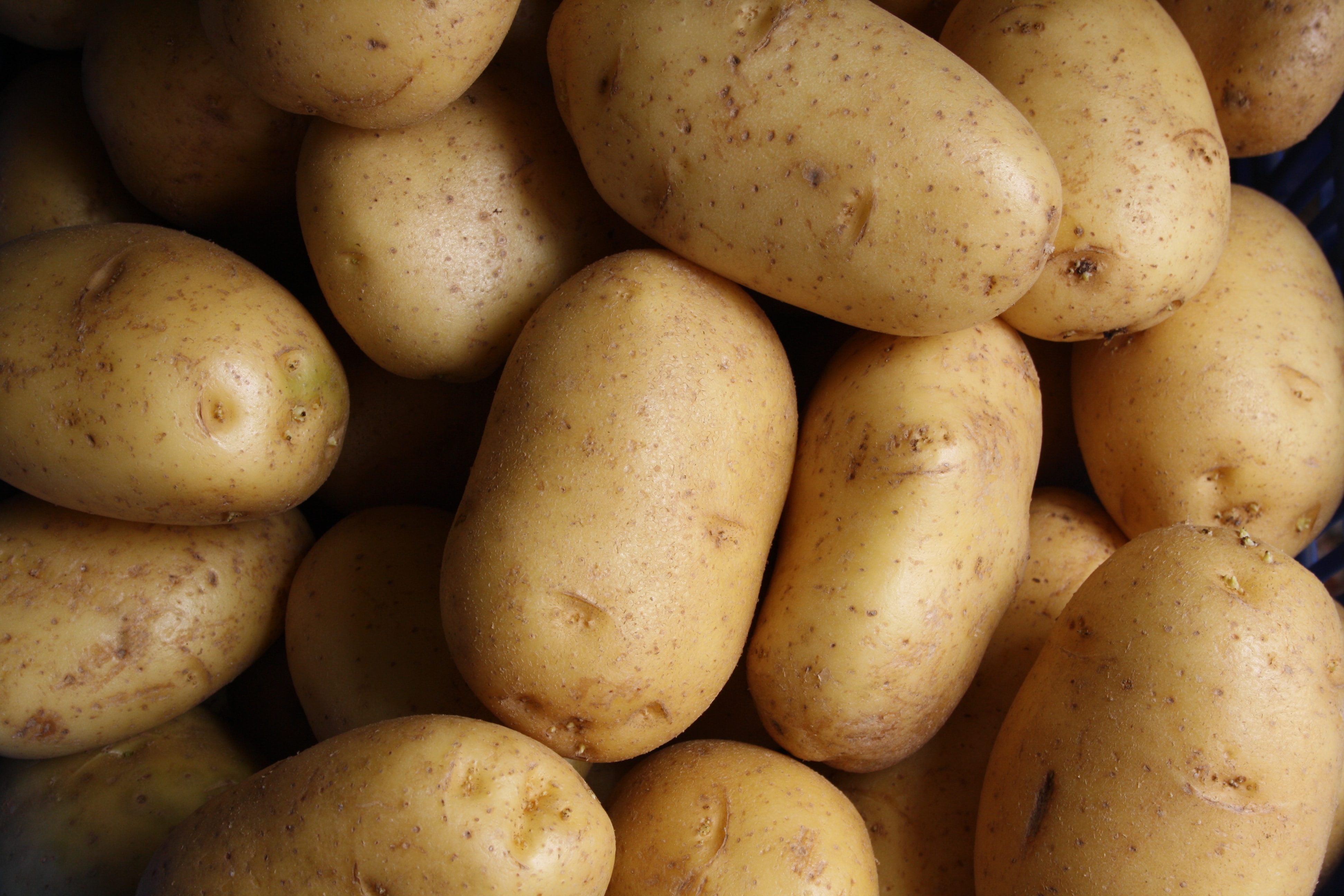
potato

Photo by Lars Blankers on Unsplash

Whatever they might have called it, if asked, the food ethos of my childhood was that anything artificially colored or flavored, anything with cartoon characters or superheroes, anything that could be put in a toaster or microwave, was essentially forbidden. My mother is, by her own admission, not much of a cook. Nor was her mother. What she knew about cooking she must have learned from fellow drifters (hippies, in a loose sense) when my siblings were young and from my grandmother, a reluctant emigre of East Prussian farm stock.

We were also poor – for most of my childhood I thought Food Stamps were colored money – and my father was ardently interested in Eastern spirituality, yoga, tai chi, and Transcendentalism.

Somehow, this combined to determine that childhood meals consisted of variations on the following: potatoes (which they grew in humped rows on the east side of the house), brown rice, beans, carrots, peas, broccoli, zucchini, beans, milk, and cheese.

My mother baked whole wheat bread, brushing the crust with melted butter as it came out of the oven so the thick brown dome gleamed. Her signature dish was spinach souffle, made with a dozen eggs and two frozen bricks of greens. She also made vegetarian chilli with kidney, pinto and black beans, and fresh tortillas to go with it. I’d slice tomatoes, then get out the orange block of Tillamook cheddar and grate a golden mountain that melted through the bowl in unctuous swirls.

Dairy in everything must have come from my grandmother, whose cooking was as weighty as her Lutheran faith. When we visited my grandparents in California, or they came to Oregon, she’d make pound cake and what we called crumb cake. I have no idea of its proper name, but its flavor is ineradicable: dense, slightly sweet base topped with melt-in-the-mouth crumbs of hard-packed butter and sugar. Perhaps it is not surprising my grandmother wound up having quadruple bypass surgery and evenutally died of cardiac-related causes. What is curious, though, is that she was always slim. To my memory, thin, even. Though stockily build, my grandfather, who never missed his afternoon coffee and cake, was fit and vigorous well into his 80s.

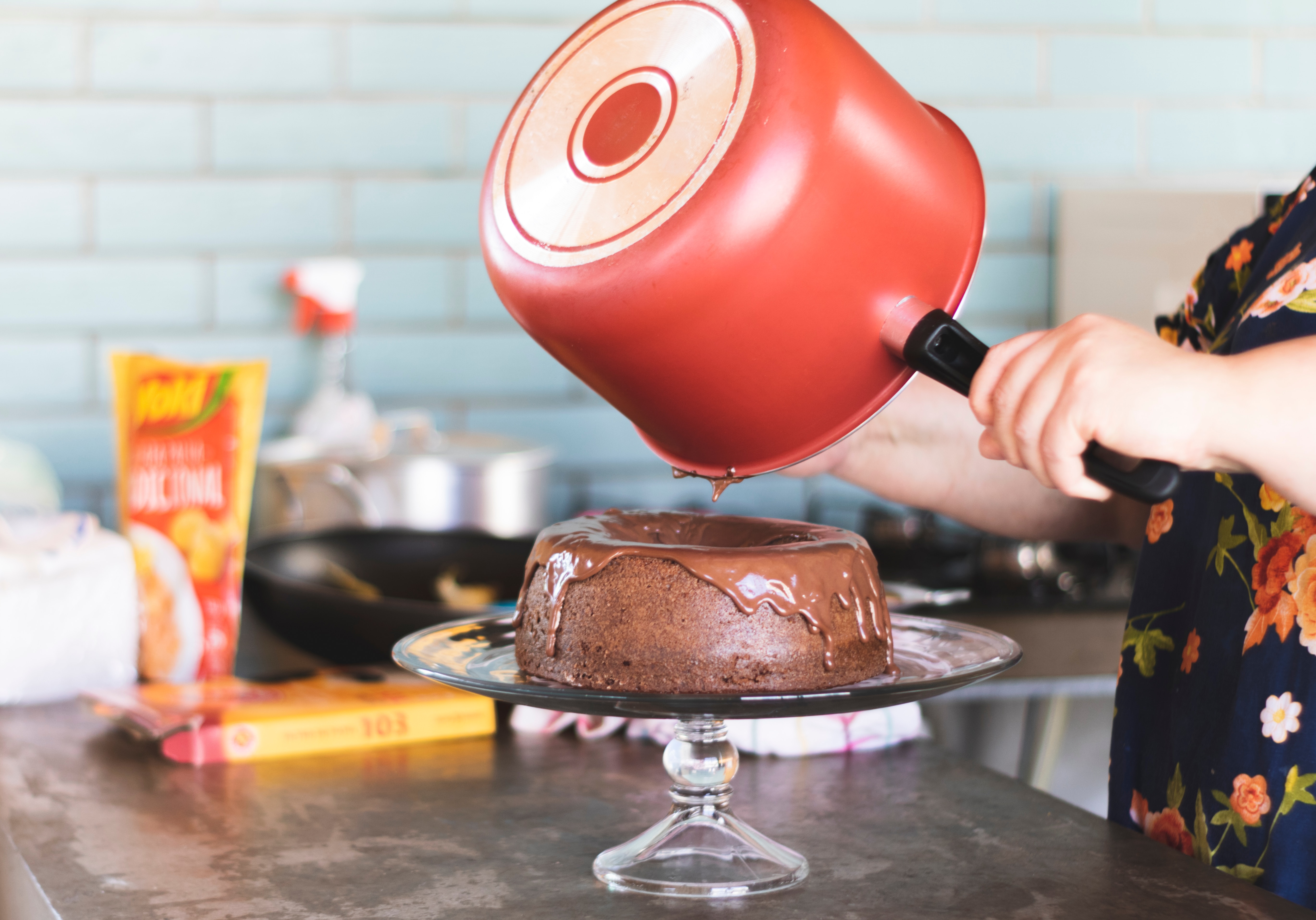
Despite the abundance of milk, cheese and ice cream in our diet (my mother was deeply brand loyal to Tillamook Dairy) we rarely ate conventional processed foods. Sweets, apart from ice cream, were limited to elaborate home-made birthday cakes. The most popular among my siblings and I was a chocolate cake covered in chocolate ganache, layered and adorned with chocolate buttercream frosting, and wrapped in a marzipan bow. Its creation was a day-long process, at minimum. The marzipan alone required almonds to be blanched in boiling water, peeled (accomplished by pinching the fat end until the point broke the skin and the nut shot forth), cooled, and milled in an orange-plastic and stainless steel hand grinder before being mixed with the appropriate ratio of powdered sugar.

Even store-bought goodies, as we called them, were outside the usual realm. On our weekly shopping trip to Trillium, a wooden-floored, patchouli-scented health food shop where my mom bought bulk grains and beans, we were allowed to choose a treat: either a peach frozen yogurt pop that you pushed up through a blue-and-white cardboard tube, or a paper-shrouded, sticky-edged frozen sandwich: ice cream between two chocolate graham crackers. These were flavored with carob rather than cocoa, a trend which extended to my mother’s version of hot chocolate: bitter, clumpy powdered carob boiled with hot milk and laced with honey – an anti-indulgence that left me with little taste for the real thing. Other dishes we experienced only in health-food form included chow mein (tofu) and burgers (veggie).

This food ethos felt oppressive, restrictive as the Biblical edicts we were fed each Sunday – and, like any good American child, I craved Wonder Bread, Hamburger Helper, Kraft Singles, Snickers, and Capri Sun. Even without a TV, food advertising found me; the slogan – M&Ms melt in your mouth, not in your hand – has been jingling in my head since I was about six. The difference was, my parents were stubborn/mean/enlightened/impoverished (delete as required) enough to make me to eat boiled carrots and broccoli, brown rice and potatoes regardless. In another twist, they introduced me to foods like hummus and avocados, things my working class British friends didn’t experience as kids.

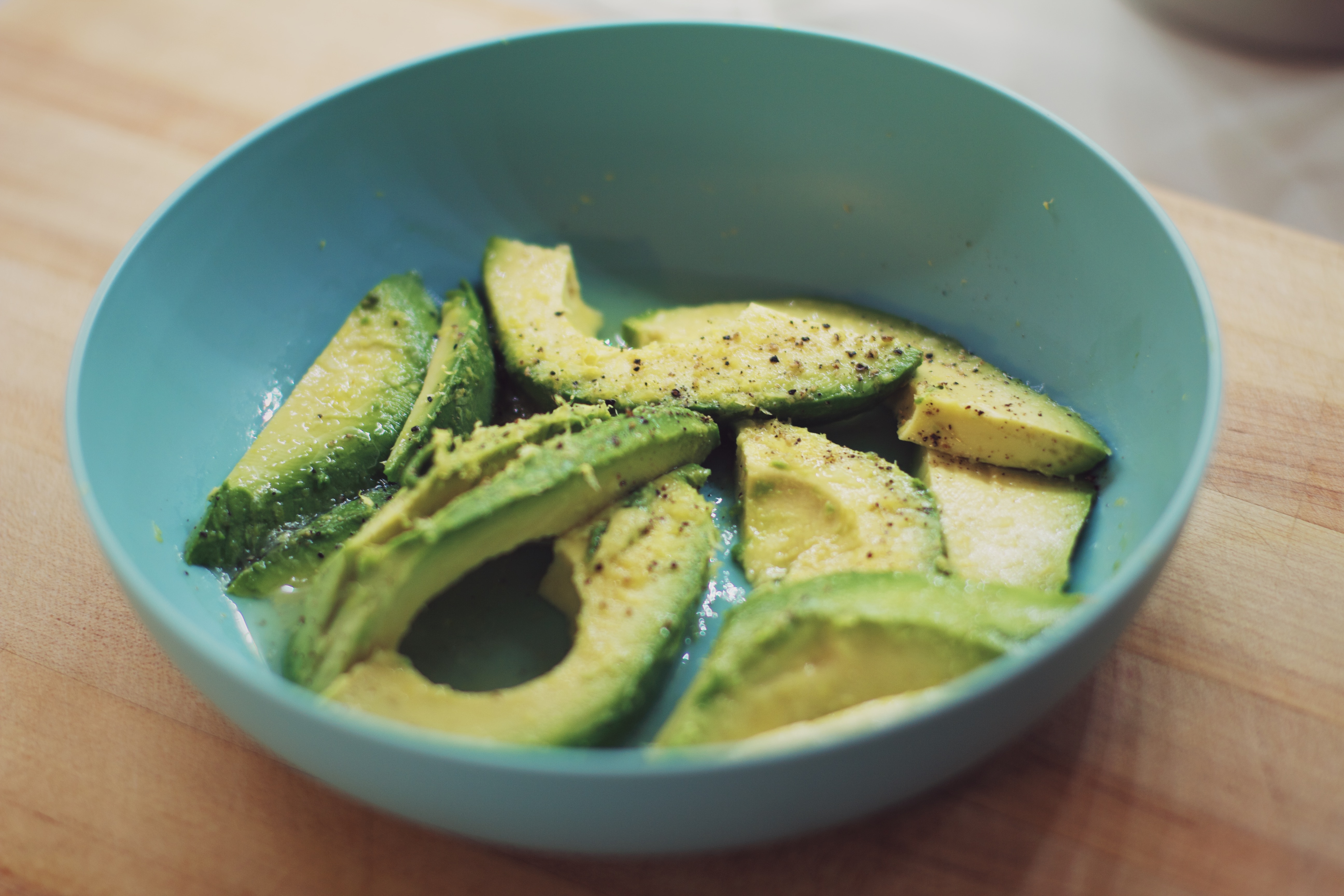
avocado

Photo by Ryan Quintal on Unsplash

Plus I had the tremendous fortune of a big sister who loves to cook, is good at cooking, and helped me discover the joy in food that was the missing ingredient in my childhood. My mom did her best, according to her lights, but daily life was too tense and unhappy for eating to be the celebration it should. One peculiar feature of her cooking was a lack of seasoning. My father didn’t like salt (or perhaps didn’t approve of it; he was a man who could be hostile to a condiment). Herbs, spices, chilli, vinegar – I don’t recall any of them. It was a relvelation to learn how fantastic vegetables can taste when slathered in olive oil, roasted, spiked with rosemary and chilli, sprinkled with lemon, sea salt and coarse black pepper. Like many aspects of growing up, the food could have been brightened, mitigated, with a little effort.

Between then and now, I spent many years in food deserts, actual and self-constructed. Unhappiness shaped my relationship with food and my body yet, simmering beneath, were memories of a worthwhile conjunction of effort and occasion.

Embodying Empathy

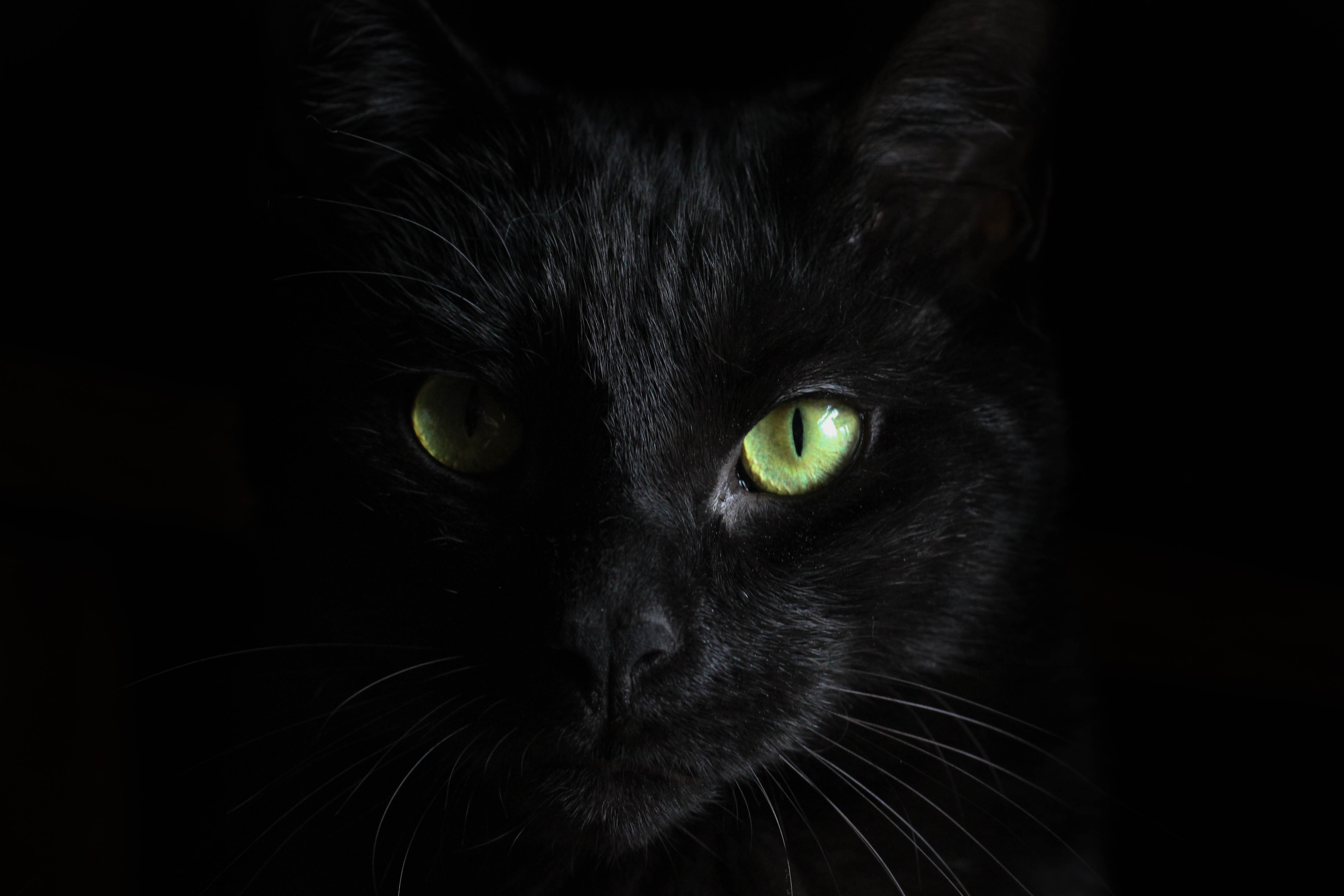
It is apropos that I missed posting last week due to lack of sleep. My tiny black ninja cat decided that 2:30AM was an excellent time to sit on my pillow and conduct intensive grooming. If you’ve ever had a cat bathing in your ear, you’ll understand why this put a kink in my sleep schedule.

A day later, Chris had a trip so we were up at 5AM to get him to the train station. Then something came up workwise and I had to get up early the following day to write.

black cat

Photo by Hannah Troupe on Unsplash

Just a normal conflux of niggles and responsibilities, in other words, but enough to throw my system into a spin. My mouth was dry, my head ached, I yelled at the cats for getting underfoot. A layer of chill wrapped me that had nothing to do with the cold, damp day. Every small task was aggravating, painful, like a shoe-bound pebble that swells with each step.

As an adult with, heaven help us, responsibilities, it is up to me to negotiate sleep deprivation without becoming a danger to myself or others. Babies, on the other hand, are immune from expectations about how they should act when they are tired. Well into childhood, Richter scale meltdowns are excused because “s/he’s tired”. Rightly so. Being tired is harmful to health. According to the International Journal of Endocrinology, “sleep deprivation and sleep disorders may have profound metabolic and cardiovascular implications.” It is, “adversely affects the physical wellbeing and quality of life of participants, demonstrated in bad mood, somnolence, and tiredness” (Journal of Family Medicine Primary Care).

Babies, kids, are responding appropriately when they have a tiredness-induced crying jag or temper tantrum; their bodies need rest and are wired to seek it at whatever cost to adult sanity. This is reasonable.

What isn’t is that as adults we expect/are expected to have a different – unnatural – relationship to sleep. Instead of acceeding to our physical needs, we are supposed to keep going, as if our bodies are wrong for needing what they need.

work

Photo by Carl Heyerdahl on Unsplash

Cultural deprivation

There is a certain cultural tendency to fetizishation of work at the expense of sleep. Margaret Thatcher famously slept four hours a night. “For the Iron Lady four hours was a badge of almost superhuman strength. It fits the narrative of the “warrior” prime minister…” wrote Tom de Castella in a BBC News Magazine piece. The same article noted that Trump claims to only sleep three hours a night.

That suggests something with deep implications.

As a baby, we are begged to sleep; as a small child, we are made to sleep; as an older child/adolescent we still have bedtimes or curfews. As a young adult, we have the giddy freedom of being able to stay up as late as we want – and do all sorts of dumb things as a result. Then, at some invisible point, we suddenly find ourselves expected to function perfectly, whether we’ve slept or not. We’re running to stand still and those bitterly resented childhood naps sound idyllic.

This was my experience, in any case, with minor variations. When I was very small and expected to take an afternoon nap I’d lie awake, telling myself stories to pass the time. Staying up till midnight was a once-a-year occasion, a thrilling New Year’s Eve pressed up against a space heater, eating Planter’s Honey Roasted Peanuts, turning pages with sticky-sweet fingers until the clock reached 12.

When I was a young adult, immersed in music and club culture, midnight was a starting rather than an end point. The delirium of those years seemed, at the time, like part of the fun. Now, I feel anxiety amounting to dread at the thought of being out at two or three in the morning, much less four or five.

Unrested = unhinged

When duty and distraction combines to keep me from sleeping my first reaction is anger. And, because I’m tired, it is irrational rage. I am minimally patient at the best of times; sleep-deprived, I’m plain mean. I lose the ability, or will, to see things from a different perspective, or have a sense of humor. Incidental slights – a rude driver, a slow shopper – become personal affronts.

Is it coincidence that a three-hour-a-night sleeper is unhinged and meglomaniacal? Or that a four-hour-a-night sleeper was willing to crush entire industries and thousands of lives on an ideological whim?

Trump is, and Thatcher was, remarkable for lack of empathy shading into brutality. It is horrible to witness; like a toddler’s tantrum, a sign of something amiss.

It makes sense, though, that people who deny their own basic needs are willing, even eager, to deny the needs of other. I feel bad, so why should you feel good?

A couple of years ago I had a student who responded to a prompt about homelessness with a devestating account of her own struggle with poverty, homelessness and mental ill health. It was a brave thing to write. Her conclusion shook me: “Nobody ever helped me, so I don’t think they deserve any help. If I had to do it myself, so should they.”

There is a cold, undeniable logic to her statement, but it is a building block to a society I don’t want to live in.

kindness

Photo by Matt Collamer on Unsplash

Cultivating kindness

We have two options: value ourselves and others; or not. If we truly value ourselves, we can’t denigrate others; if we don’t value ourselves, we can’t then magically summon goodwill towards those around us. For all our intellectual capacities, we operate as physical beings. When we are rested, nourished, and secure, we are capable of being expansive, creative, contributing members of society.

If anxious, tired, and hungry, we can’t think about anything beyond meeting those immediate needs. We can scrape by for a while, but we can’t consistently deprive ourselves of essentials without getting pinched and wild-eyed.

Kindness has to begin with ourselves. Respect and compassion for self begin with taking care of our needs – without guilt or apology. Then, fortified and of sound mind, we have the capacity to care about other people.